
Nepeta: catmints and catnips — overview, characteristics, and uses
Nepeta is a genus of aromatic flowering plants in the mint family, known for ornamental use, pollinator value and the cat-attracting compound in some species (catnip).
Overview
Nepeta is a genus of aromatic, usually perennial flowering plants in the mint family (Lamiaceae). The group contains around 250 species distributed across Europe, Asia, Africa and parts of North America. Many species are grown in gardens for their scent, compact habit and long bloom periods; a few are widely known as catnip or catmint because of a chemical that affects domestic cats.
Image gallery
6 Images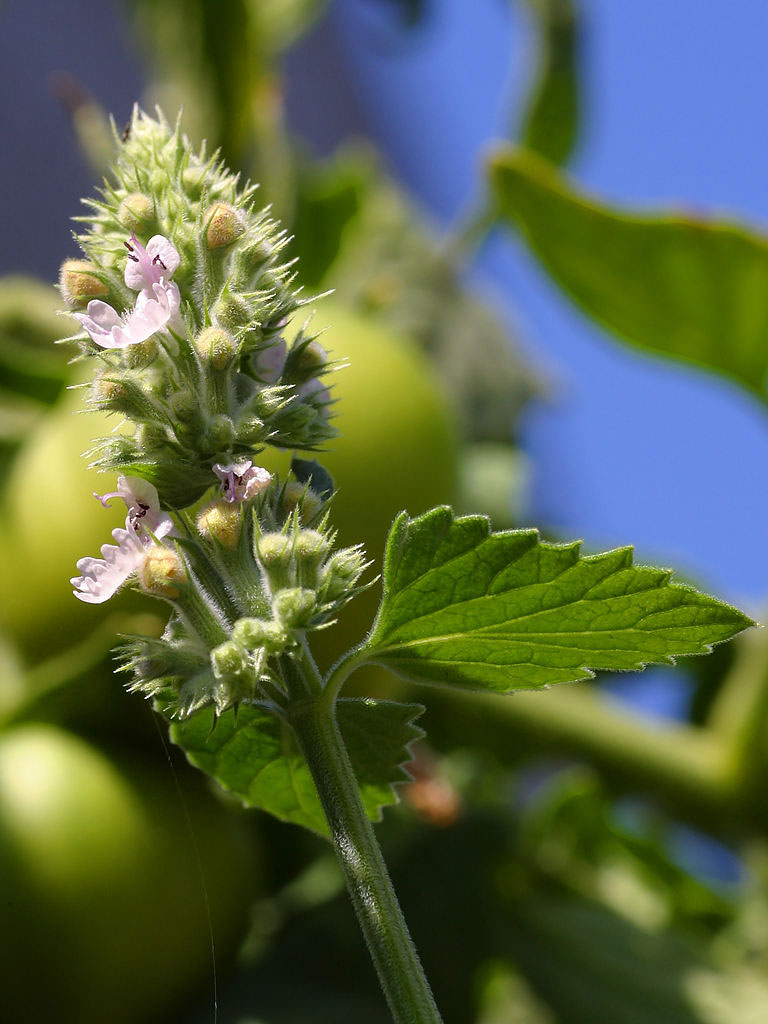


Characteristics and botanical features
Nepeta species typically have square stems and opposite leaves, traits common to the mint family. Leaves are often grey-green, softly hairy and aromatic when crushed. Flowers are tubular and two-lipped (bilabiate), appearing in spikes or clusters and ranging in color from white through pale blue to purple. The plants vary from low, mat-forming types to taller, shrubby perennials.
Notable species and examples
- Nepeta cataria — commonly called catnip; historically the best known for its effect on cats.
- Nepeta mussinii (sometimes sold as Nepeta faassenii) — popular ornamental "catmint" used in borders and mass plantings.
- Other regional species valued for foliage or pollinator-attracting flowers rather than feline effects.
Uses, cultivation and ecological value
Nepetas are prized in horticulture for easy care, drought tolerance once established, and long flowering seasons. They are commonly used in herbaceous borders, rock gardens and as edging plants. Flowers attract bees, butterflies and other pollinators, making them useful in wildlife-friendly plantings. Propagation is usually by seed or softwood cuttings, and many cultivars are available with varying height, flower color and leaf texture.
Cat behavior and active compounds
Some Nepeta species produce nepetalactone, an essential oil that elicits a behavioral response in many domestic cats. When exposed, affected cats may roll, rub, meow, leap or display playful, euphoric behaviors; the effect is transient and not considered addictive. Not all Nepeta species contain significant amounts of the compound, so not every plant labeled "catmint" will attract cats equally.
History, traditional uses and notable facts
The genus name likely stems from the Latin place-name Nepete (Nepi), but Nepeta plants have been used in traditional herbal preparations in several cultures for mild calming effects in humans and as an aromatic herb. In addition to horticultural and cultural roles, some Nepeta oils have demonstrated insect-repellent properties in research contexts. While popular for cat toys and gardens, they are distinct from other cat-attracting plants such as silver vine or valerian.
For additional botanical details and species lists see resources linked below: more on catnip and catmint.
Related articles
Author
AlegsaOnline.com Nepeta: catmints and catnips — overview, characteristics, and uses Leandro Alegsa
URL: https://en.alegsaonline.com/art/69183