
Nicotiana: the tobacco genus — biology, uses, and notable species
Nicotiana is a genus of flowering plants in the nightshade family that includes tobacco used for commercial products, ornamental flowering tobaccos, and species important in research and horticulture.
Overview
Nicotiana is a genus of flowering plants in the nightshade family (Solanaceae). Members range from annual and perennial herbs to shrubs. Several species are widely known as tobacco plants and have been cultivated for leaf production, but the genus also contains many species grown for their fragrant, showy flowers and those valued in scientific research. For general reference see Nicotiana (genus).
Image gallery
9 Images




Characteristics
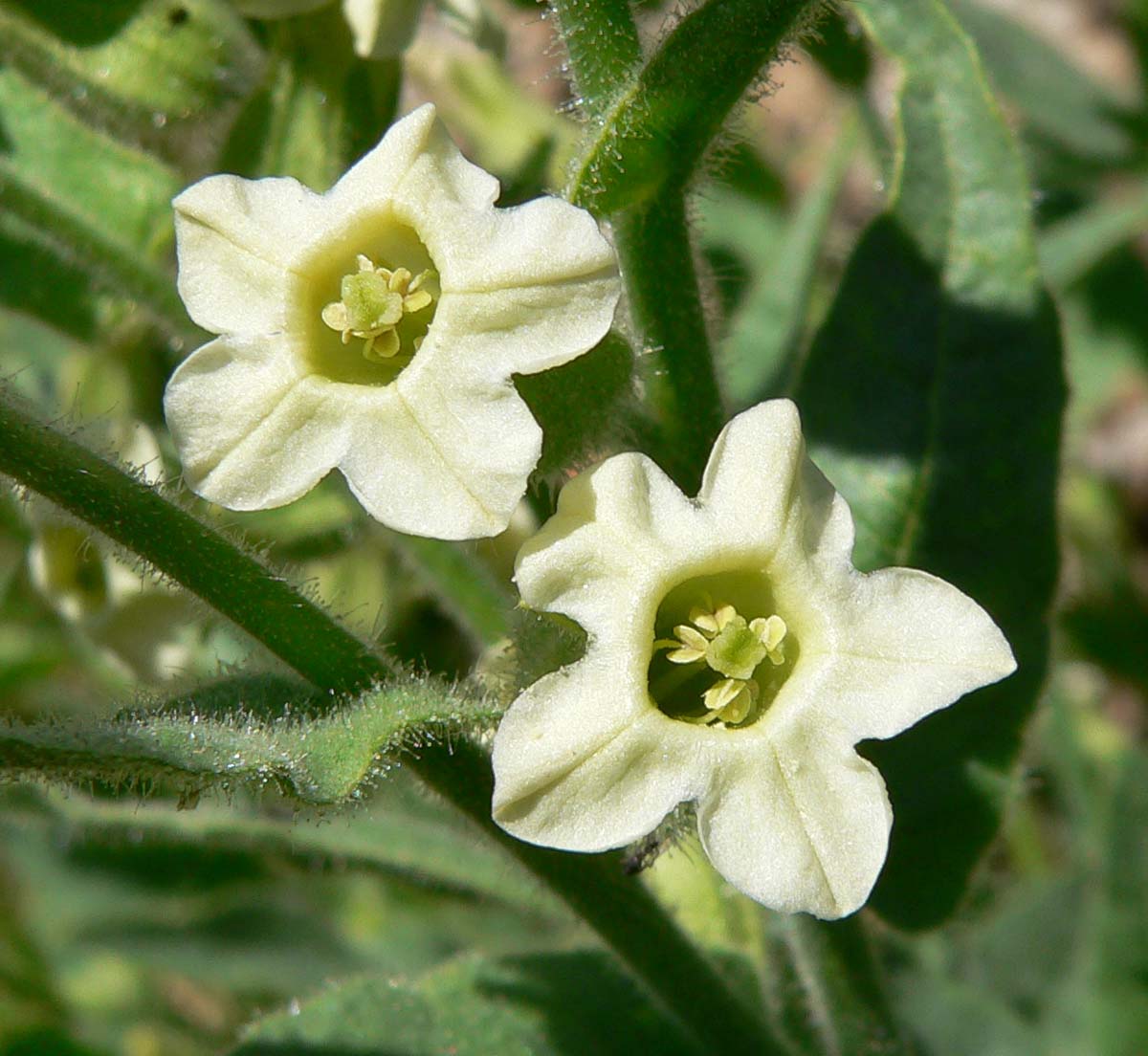
Plants in this genus typically have alternate leaves and tubular, often scented flowers that open in the evening or at night in many ornamental species. They produce a variety of alkaloids, most notably nicotine in some taxa, which affects herbivores and has influenced human use. Distinctive traits include:
- Flower morphology: tubular corollas, sometimes trumpet-shaped, in a range of colors from white and pink to red and green.
- Growth habit: forms range from low annuals to erect perennials and shrub-like individuals.
- Chemical profile: many species contain nicotine and related alkaloids; concentrations vary by species and tissue.
Origins and distribution
Wild Nicotiana species are native to the Americas, Australia, southwest Africa and islands of the South Pacific. Indigenous peoples in the Americas domesticated certain species for ritual, medicinal and recreational uses long before global spread. The plants later reached other continents through trade and cultivation.
Uses and importance
Nicotiana species are important for several reasons:
- Commercial tobacco: species such as Nicotiana tabacum are cultivated worldwide to produce cured leaf for cigarettes, cigars and other products (N. tabacum).
- Ornamentals: many species and hybrids are grown in gardens for evening fragrance and long-lasting blooms.
- Research and biotechnology: species like Nicotiana benthamiana are widely used as model plants for molecular biology and transient expression systems.
Notable species and distinctions
Only a few species are used commercially for tobacco; others are cultivated purely for landscaping or scientific work. Commonly referenced species include N. tabacum and N. rustica for traditional and commercial tobacco, and several ornamental taxa (for example, fragrant tobacco often sold as flowering tobacco or nicotiana). For information on species names and identification consult botanical resources such as regional floras and plant databases (common names and lists).
Public health and regulation: because some Nicotiana species are the source of tobacco products, they are associated with public health concerns and regulatory controls. Conversely, non-tobacco species continue to be valuable in gardens and laboratories for their aesthetic qualities and utility in plant science.
Related articles
Author
AlegsaOnline.com Nicotiana: the tobacco genus — biology, uses, and notable species Leandro Alegsa
URL: https://en.alegsaonline.com/art/70029
Sources
- uniprot.org : "Genus Nicotiana"
- ars-grin.gov : "Nicotiana L."