
Nigella sativa (black cumin): description, uses, and cultivation
Nigella sativa, commonly called black cumin or kalonji, is an annual flowering plant valued for its aromatic seeds used as a spice and in traditional medicine across South and Southwest Asia.
Overview
Nigella sativa is an annual herbaceous flowering plant in the buttercup family (Ranunculaceae). It is native to parts of south and southwest Asia and has been cultivated for centuries for its small, black seeds. Common names include black cumin, nigella, and kalonji; these names are sometimes applied to other unrelated spices, so caution is needed when comparing varieties.
Image gallery
4 Images


Plant characteristics
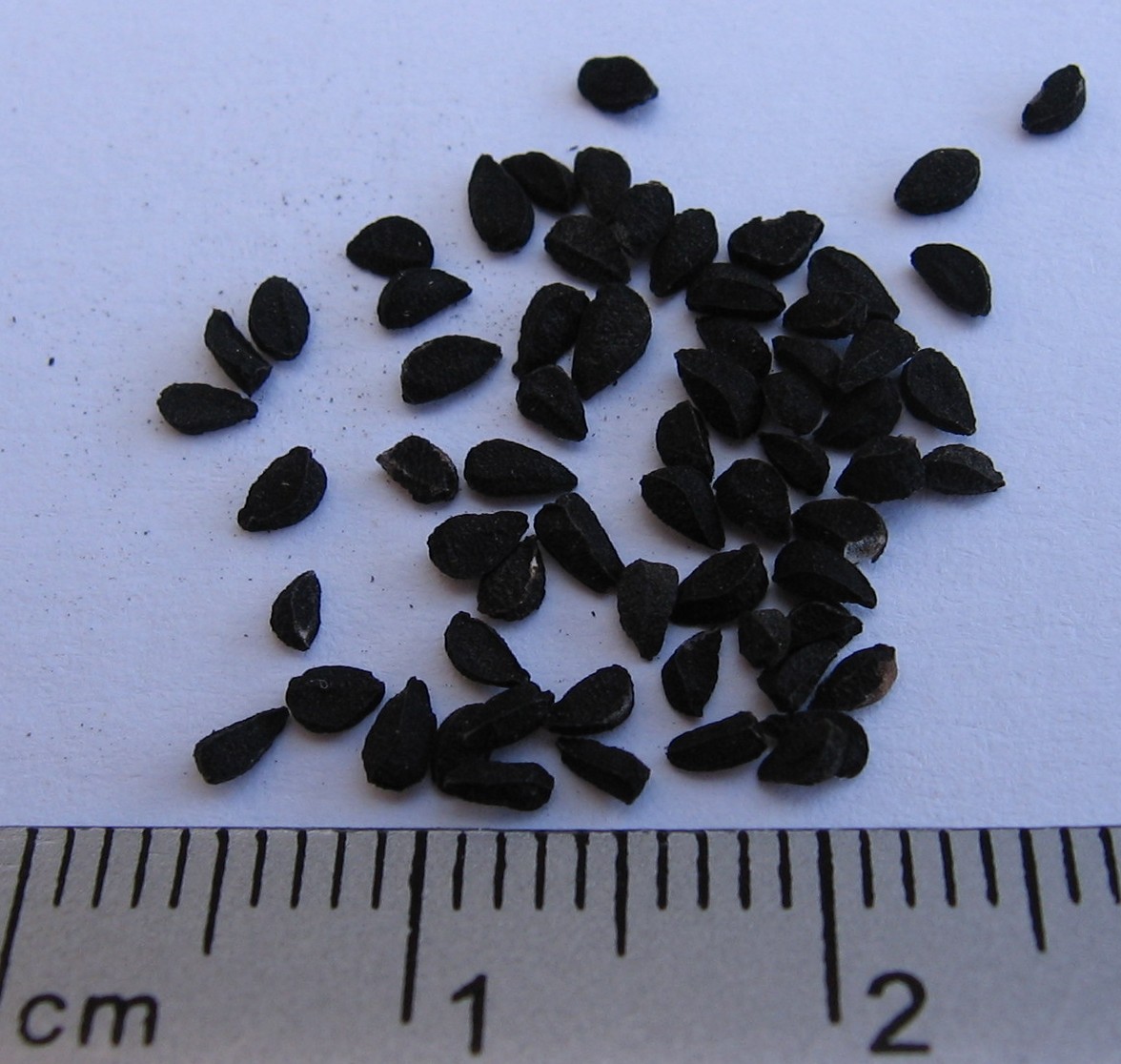
The plant typically grows to about 20–30 cm tall and bears finely divided leaves and flowers that can be pale blue, white, or pink. After flowering it forms a capsule-like fruit that contains numerous angular, black seeds. These seeds are aromatic with a slightly bitter, peppery taste and a complex fragrance often described as a mix of onion, oregano, and cumin.
Uses and cultural significance
The seeds of Nigella sativa are used widely as a culinary spice and condiment. In South Asian and Middle Eastern cuisines they are sprinkled on breads, mixed into pickles, or used to season vegetable and meat dishes. In addition to culinary uses, the seeds have a long history in traditional medicine systems; they appear in historic herbal texts and folk remedies for a variety of common ailments.
Modern interest and cautions
Modern scientific research has examined components of the seeds and their oils for potential biological activity. While laboratory and early clinical studies have suggested possible effects, evidence remains preliminary and sometimes mixed. As with many traditional remedies, claims about health benefits should be treated cautiously; consumers should consult reliable sources and healthcare professionals before using concentrated extracts. See general resources for research summaries: botanical overview, seed composition.
Cultivation and harvest
Nigella sativa is adapted to temperate climates and well-drained soils. It is often grown as a field crop or in gardens; seeds are sown in spring and harvested once the seed pods dry. The seeds are relatively long-lived when stored in cool, dry conditions and are marketed whole or as pressed oil.
Distinctions and practical notes
- Names: The term "black cumin" may refer to Nigella sativa or to unrelated species such as Bunium bulbocastanum; context matters when identifying a product (naming).
- Forms: Seeds, ground spice, and cold-pressed oil are the most common forms available for culinary or topical use (product types).
- Safety: As a food spice, it is widely accepted; concentrated preparations should be used with care and professional advice.
For further botanical descriptions, cultivation guidance, and summaries of research, consult specialized plant and herbal references or databases: botanical details, family description, and distribution records.
Related articles
Author
AlegsaOnline.com Nigella sativa (black cumin): description, uses, and cultivation Leandro Alegsa
URL: https://en.alegsaonline.com/art/70104