
Nelumbo (lotus): biology, species, uses and cultural significance
Nelumbo, the lotus genus, comprises aquatic perennial plants (sacred and American lotus) noted for large flowers, distinctive leaves, edible rhizomes and seeds, cultural symbolism, and adaptations to wet habitats.
Overview
Nelumbo is a small genus of aquatic perennial plants commonly called lotus. These plants are rooted in soft, muddy substrates of shallow lakes, ponds and slow-moving rivers and produce large, often fragrant flowers borne above the water. Two species are widely recognized: the Asian sacred lotus and the American lotus. Lotus plants are grown for ornament, food and cultural uses across Asia and North America.
Image gallery
7 Images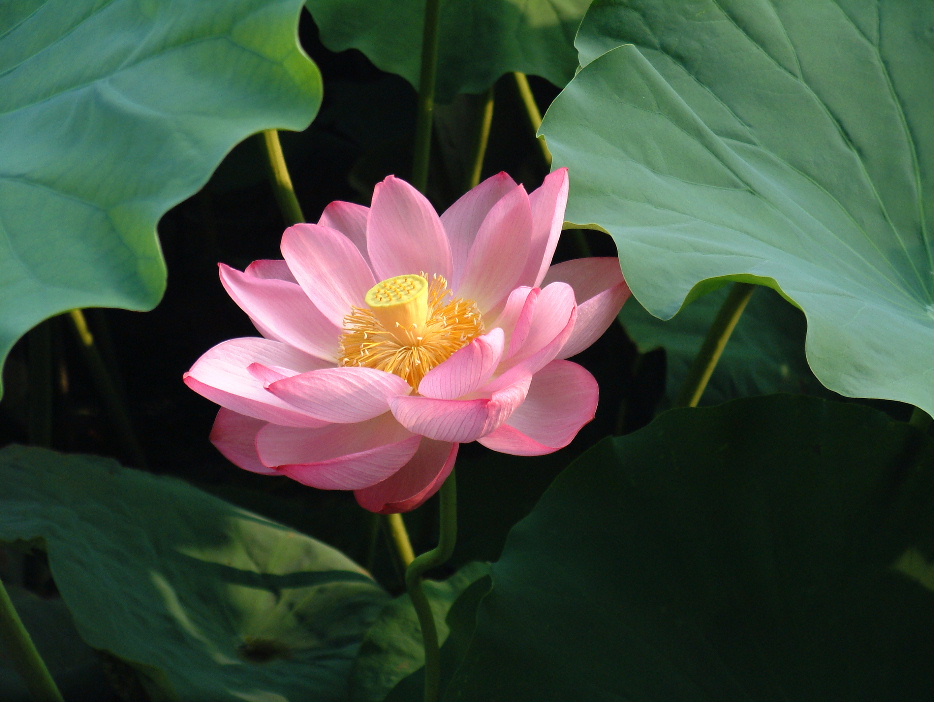



Structure and adaptations
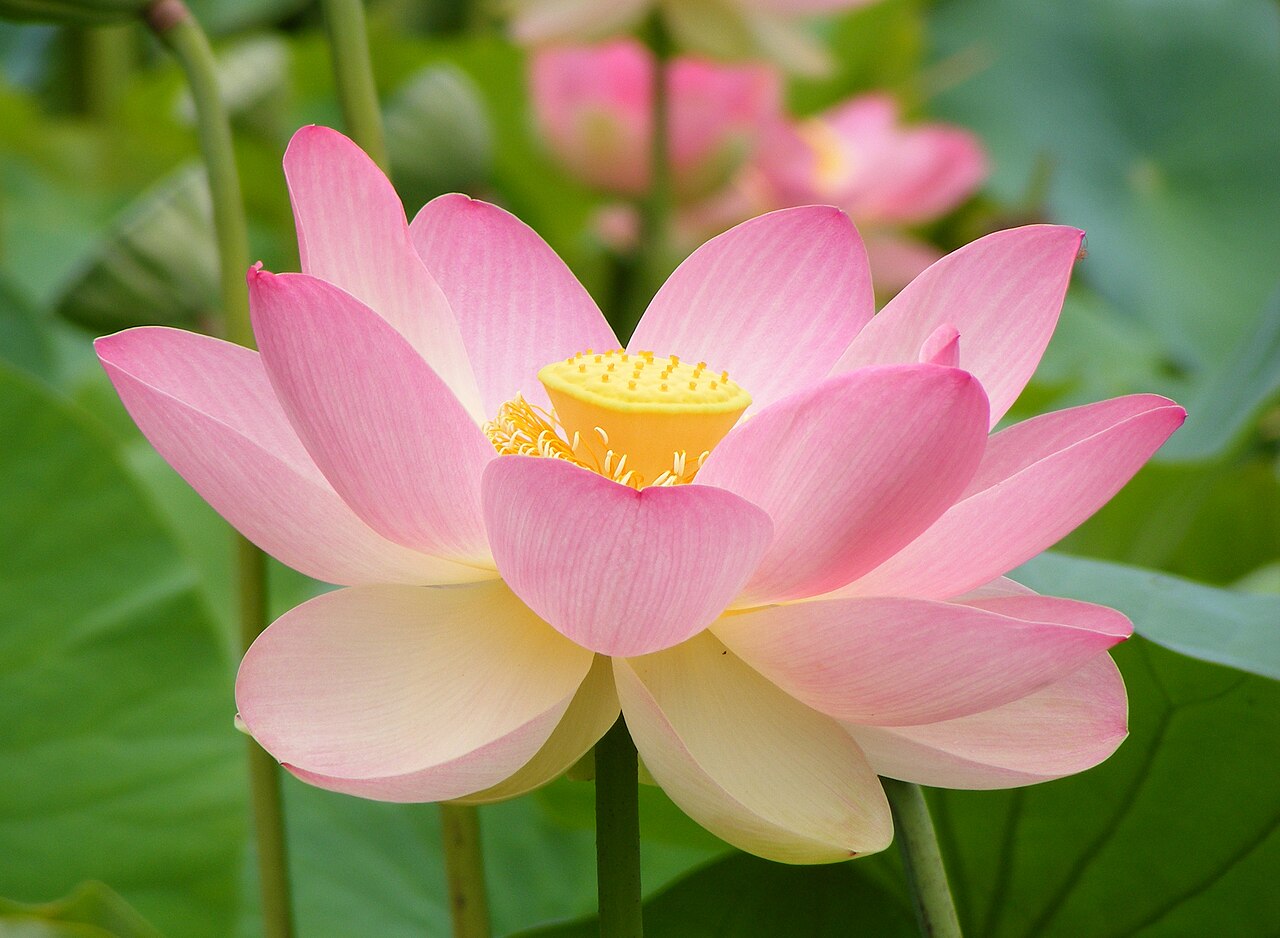
Lotus plants grow from thick rhizomes that anchor them in mud. Leaves may be emergent or floating and are typically round with a central petiole; many species exhibit the well-known water-repellent surface, often called the "lotus effect," that causes water to bead and remove dirt. Internally, stems and roots contain aerenchyma—air-filled tissue that permits gas movement and supports respiration of submerged organs. Flowers are large (commonly up to about 20 cm across), showy and may be scented; Asian forms are often pink while American forms are often pale yellow to white.
Species and distribution
The two species generally accepted in the genus are Nelumbo nucifera (the sacred or Indian lotus), native to much of Asia and cultivated more widely, and Nelumbo lutea (the American lotus), native to parts of eastern North America. Each species occupies similar freshwater habitats where rhizomes remain buried in mud and leaves and flowers rise into the light. For taxonomic overview see a general genus reference: Nelumbo reference.
Uses and cultivation
Many parts of the lotus are edible. Rhizomes (lotus root) are used in cooking across Asia, seeds are eaten raw, roasted or processed into sweets, and young stems or leaf stalks are sometimes consumed. Gardeners cultivate lotus in ponds and large containers; plants require full sun, still or gently moving water and shallow depths relative to rhizome length. Propagation is commonly by division of rhizomes or by seed. Seed coats are hard and can confer long-term viability under suitable conditions.
Cultural and symbolic importance
The sacred lotus has deep symbolic meaning in several Asian religions and cultures. It is associated with purity, spiritual awakening and beauty in Hinduism and Buddhism and appears frequently in art and ritual. The lotus is regarded as a national or regional emblem in several places: it is the national flower of India and of Vietnam, and it serves as a provincial emblem in regions such as Sindh in Pakistan.
Ecology and interactions
Ecologically, lotus beds can help stabilize sediments and offer cover and forage for wildlife. Livestock such as cattle may graze leaves and flowers where accessible. Lotus reproduces both vegetatively from rhizomes and by seed; seeds can be dispersed locally by waterfowl and other vectors. While often beneficial in garden and cultural contexts, dense growth may alter local water flow and habitat structure.
Distinction from water lilies
Lotuses are frequently confused with members of the family Nymphaeaceae (water lilies). Key differences include that lotus leaves and flowers are typically borne above the water on stalks, whereas many true water lilies have leaves and blooms that float on the surface. The morphological and anatomical differences reflect their distinct evolutionary histories and ecological strategies.
Conservation, cultivation notes and further reading
Some natural populations of lotus face habitat loss through drainage, development and water-quality change. Cultivated varieties are numerous and vary in flower color, size and growth habit. For reliable botanical, horticultural and cultural information consult specialist floras, regional conservation resources and dedicated horticultural guides: see the general genus entry and regional pages for cultural context: genus overview, India and Vietnam.
Related articles
Author
AlegsaOnline.com Nelumbo (lotus): biology, species, uses and cultural significance Leandro Alegsa
URL: https://en.alegsaonline.com/art/69092