
Neanderthal 1 (Feldhofer 1): the type specimen of Homo neanderthalensis
Neanderthal 1, also called Feldhofer 1, is the 1856 fossil discovery that first led scientists to recognize Neanderthals as a distinct, extinct human form. This article summarizes its discovery, remains, age, and importance.
Overview
Neanderthal 1 (commonly Feldhofer 1) is the landmark fossil find that, when studied in the mid‑19th century, convinced scientists that an extinct, anatomically distinct human form once existed in Europe. The discovery brought attention to a set of bones that differed from modern Homo sapiens in robusticity and cranial shape, prompting new debates about human antiquity and evolution. The original discovery and early analyses remain a cornerstone of paleoanthropology. For a summary of the original find see original discovery and for broader context on Neanderthals see Neanderthal research.
Image gallery
10 Images



Discovery and naming
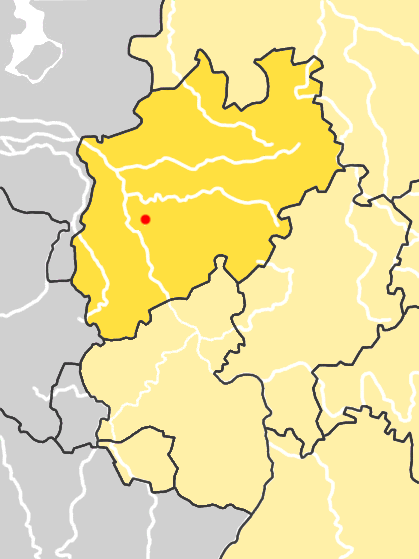
The bones were found in 1856 in a limestone quarry in what is today the Neander Valley (Neandertal), Germany. Local workers uncovered skeletal material that attracted the attention of Johann Carl Fuhlrott, who recognized its significance and, with Hermann Schaaffhausen, brought it to the scientific community. Later authors used the name Feldhofer 1 to reflect the cave (Feldhofer) and the specimen number. The species name Homo neanderthalensis was proposed subsequently as part of debates about how to classify these remains; see modern summaries at skull and type specimen.
Anatomy and the preserved elements
The preserved material from Neanderthal 1 is a composite of cranial and postcranial bones that together illustrate the body proportions and skeletal features associated with Neanderthals. The surviving elements include cranial fragments and an assortment of limb and trunk bones, notably a left temporal fragment and portions of the shoulder girdle and arms. A brief list of the principal elements recovered is given below:
- Fragmentary skull remains, including temporal bone (left temporal bone)
- Right scapula (scapula) and right clavicle (clavicle)
- Both humeri (humeri), one radius (radius) and both ulnae (ulnae)
- Five ribs (ribs), an almost complete half pelvis (pelvis) and both femora (femurs)
Together these bones show the stout limbs, broad chest, and heavy skeletal construction that typify Neanderthals relative to most modern human populations.
Age, sex and place in Neanderthal chronology
Radiocarbon dating applied to the Neanderthal 1 material in the late 20th century produced an age estimate of about 39,900 ± 620 years before present, placing this individual among the later Neanderthal populations in Europe. The specimen has been interpreted as an adult male, approximately 40–42 years old at death, based on skeletal markers and comparisons with other specimens. For the laboratory dating study see radiocarbon dating results, and for discussions of late Neanderthal populations see late Neanderthals.
Research history, context and related finds
Neanderthal 1 was not the first Neanderthal bone ever found, but it was the first whose anatomical distinctiveness was clearly argued in print and widely accepted. Its study catalyzed comparative work and additional excavations. Later discoveries near the original site produced further partial skeletons often labelled Neanderthal 2 and Neanderthal 3; these nearby finds have been compared for build and age, with one interpreted as a more lightly built adult (comparative studies) and the other as an adolescent (possible teenager). Ongoing study of Neanderthal 1 uses modern imaging and biochemical techniques to refine knowledge of its biology and to place it in a regional and temporal framework.
Significance and notable facts
Neanderthal 1 remains historically and scientifically important because it was the specimen that made clear the existence of an extinct, anatomically distinct human type. It influenced early ideas about human antiquity, variation, and the possibility of human species turnover in prehistory. Interpretations of the specimen have been revised over time as methods improved; for example, its sex assignment as male and the age-at-death estimate have been reassessed using contemporary standards (sex and age analysis). For museum displays and summaries of the specimen's history see additional materials at curatorial notes and site reports.
For broader reading and resources about the Neanderthal type specimen and related finds consult these overviews: field history, anatomical synopsis, dating and chronology, comparative paleoanthropology, regional studies, and public outreach. Additional specialist treatments can be found through academic collections: collection records, laboratory reports, population analyses, juvenile specimens, and biological assessments.
Questions and answers
Q: What is Neanderthal 1?
A: Neanderthal 1 is the name of the first fossil found that was clearly identified as a Neanderthal (Homo neanderthalensis).
Q: Why is Neanderthal 1 sometimes called Feldhofer 1?
A: Neanderthal 1 is sometimes called Feldhofer 1, but that name is less common.
Q: What did the studies done in 1999 on Neanderthal 1 reveal?
A: Studies done in 1999 on Neanderthal 1 included a radiocarbon dating of the bones, and the bones were found to be about 39.900 ± 620 years old.
Q: How much of Neanderthal 1's skeleton was found?
A: The fossil of Neanderthal 1 is part of a skull, with a fragment of the left temporal bone, part of the right scapula (shoulder blade), the right clavicle, both humeri (bones in the upper arm), one radius (a bone in the forearm), both ulnae (another bone in the forearm), five ribs, an almost complete half pelvis, and both femurs.
Q: Was Neanderthal 1 the first Neanderthal fossil to be found?
A: No, Neanderthal 1 was not the first fossil found of a Neanderthal, but before this find, the importance of the fossils was unclear.
Q: What is the age of Neanderthal 2 and Neanderthal 3?
A: Bones from two other Neanderthals were found nearby, they are called Neanderthal 2 and Neanderthal 3 respectively. Neanderthal 2 has the same age as Neanderthal 1, but a lighter build.
Q: What is the age and gender of Neanderthal 1?
A: Neanderthal 1 was male, and at the time of death, he was between 40 and 42 years old.
Related articles
Author
AlegsaOnline.com Neanderthal 1 (Feldhofer 1): the type specimen of Homo neanderthalensis Leandro Alegsa
URL: https://en.alegsaonline.com/art/68921