
Newar people: Indigenous urban society of the Kathmandu Valley
The Newar are the historic inhabitants of the Kathmandu Valley (Nepal Mandala). They preserve Nepal Bhasa language, a syncretic Hindu–Buddhist culture, rich urban crafts, festivals, architecture and unique social institutions.
The Newar (also written Newa or Nepami) are the traditional residents of the Kathmandu Valley and surrounding territories historically known as the Nepal Mandala. Over many centuries they developed a dense urban civilization with specialized crafts, commerce and ritual life distinct from the surrounding hill and plains societies. Newar identity centers on a common language and cultural sphere rather than a single ancestry: communities include peoples with Indo-Aryan and Tibeto-Burman roots who share a broad set of customs, festivals and institutions.
Image gallery
10 Images


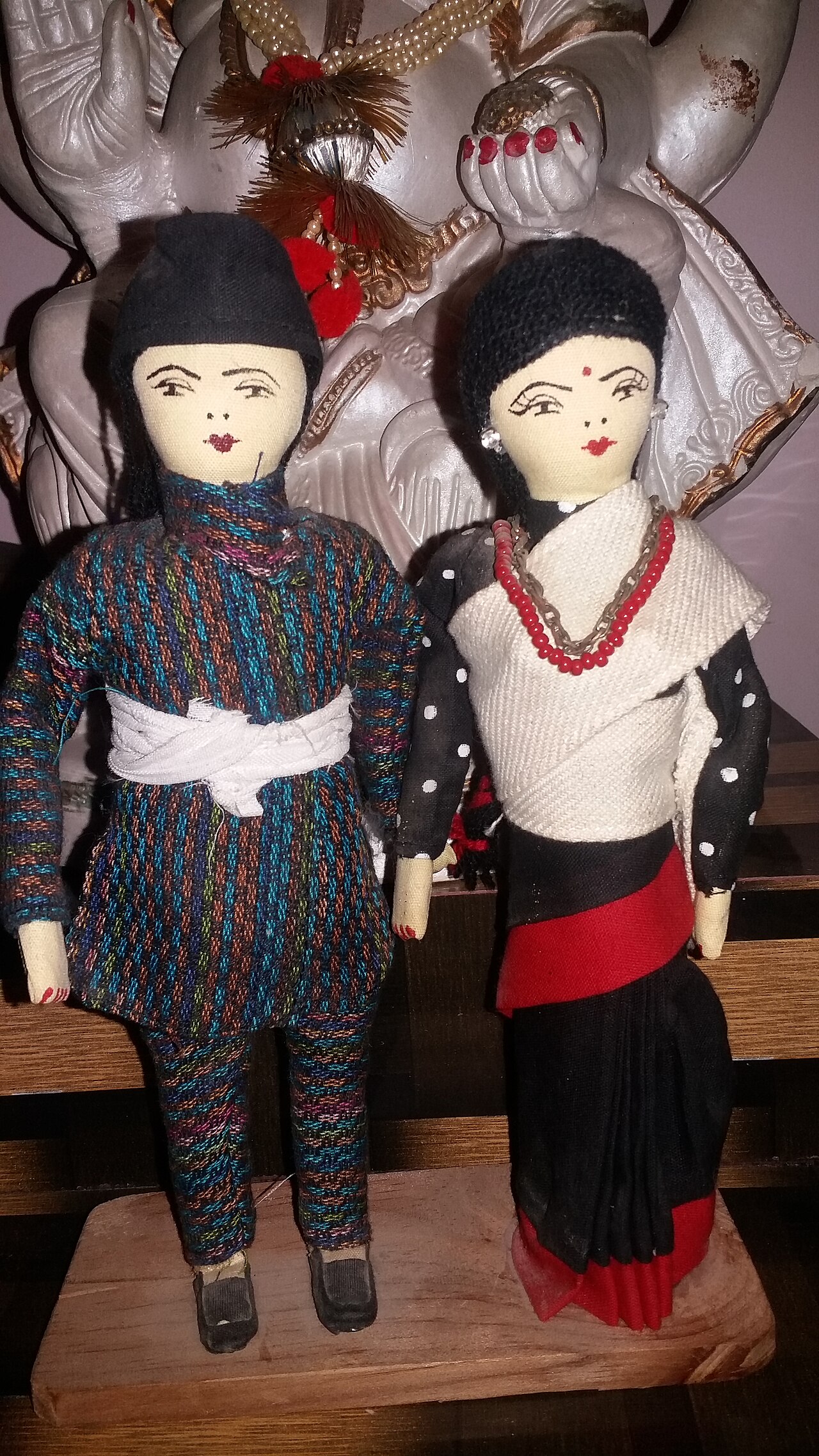



Language, religion and social organization
The traditional language of the Newar community is Nepal Bhasa (Nepal Bhasa), which has its own historical scripts and a long literary tradition. Religiously, most Newars participate in both Hindu and Buddhist rites; the community is noted for a high level of syncretism in which deities, rituals and priests from both traditions coexist and intermix. This dual heritage is visible in temple art, priestly lineages and household practices. The Newar social landscape also includes complex caste and occupational divisions, with hereditary roles in crafts, trade, ritual and administration.
Urban culture, crafts and institutions
Newar cities and towns are characterized by compact settlements, courtyard houses, elaborately carved wooden windows, tiered pagoda temples and public squares. Skilled artisans — carpenters, metalworkers, stone carvers, masons, and painters — developed distinctive styles that shaped Kathmandu Valley architecture and decorative arts. Historically the Newars were active middlemen in regional trade routes linking the Indian plains and the Tibetan plateau, which influenced their economy and material culture.
- Traditional social trusts called guthi organize festivals, funerary rites and communal property.
- Urban guilds and hereditary workshops preserved craft knowledge across generations.
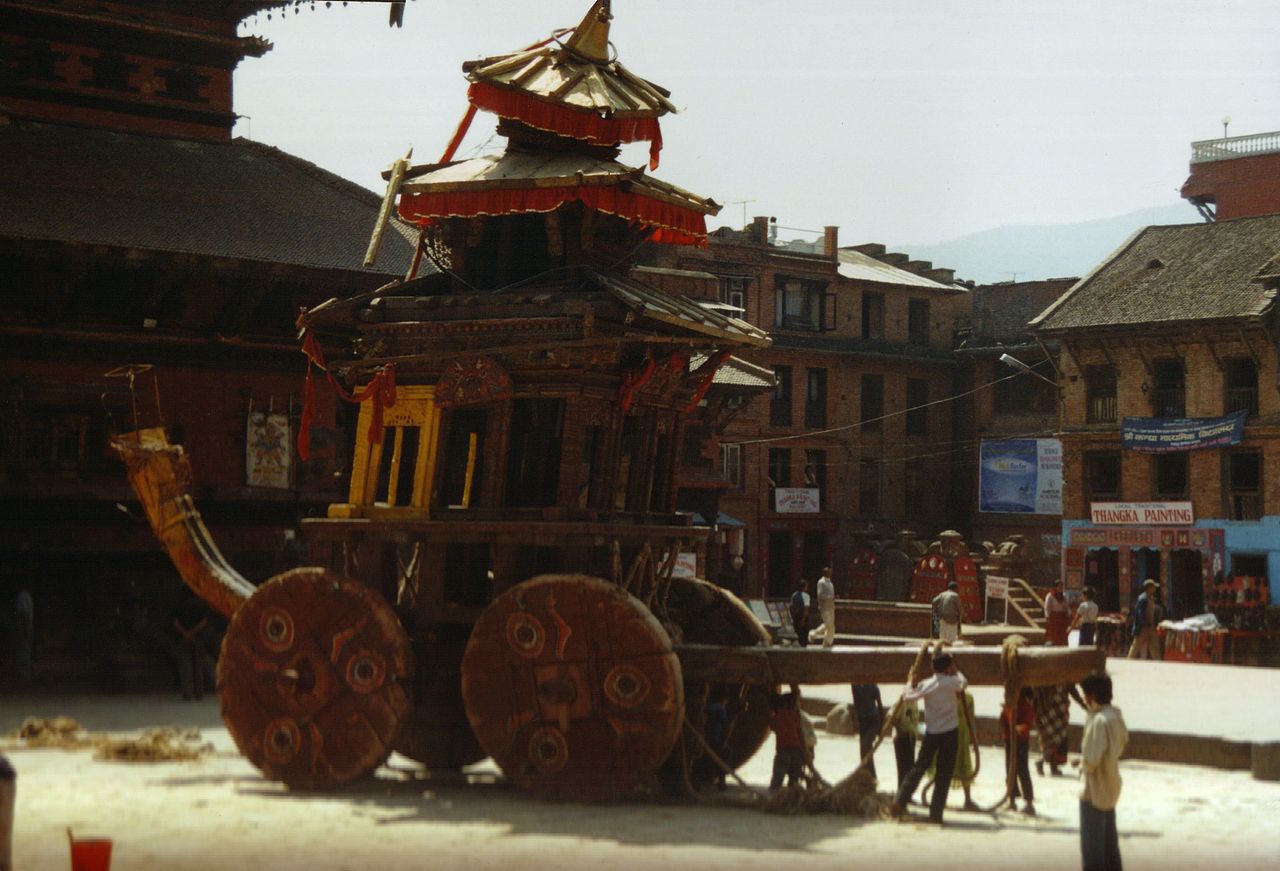
- Festivals, processions and chariot rites remain central to civic identity.
Festivals, performing arts and food
Newar cultural life features a dense calendar of public festivals and ceremonies. Major communal observances include chariot festivals, masked dances, and rituals involving living deities such as the Kumari. These events combine elaborate choreography, music and iconography and anchor local neighbourhood identities. Newar cuisine is notable for its variety of dishes and sweets, many prepared for ritual and seasonal observances.
Origins and historical role
The Kathmandu Valley long functioned as a polity and cultural heartland known as Nepal Mandala. Over centuries the Newar city-states developed distinctive governance, legal customs and cosmological concepts tied to their urban landscape. Their crafts, architecture and script traditions influenced much of central Nepal. While exact origins are diverse and layered, the Newar community is best understood as the heir to an urban, multiethnic civilization that grew from the valley’s strategic location and fertile plains.
Contemporary significance and distinctions
Today Newars remain prominent in the cultural life of the Kathmandu Valley. They continue to perform traditional rites and maintain artisanship even as modern economic and demographic changes reshape the region. Scholars and cultural organizations emphasize preservation of the Nepal Bhasa language, traditional building techniques and festival practices. Visitors to the valley often encounter Newar architecture, public squares and festivals as defining features of the local heritage.
For further reading on language, history and cultural practices see resources on Kathmandu Valley, Nepal, ethnolinguistic groups such as Tibeto-Burman communities, and the religious contexts of Hinduism and Buddhism.
Questions and answers
Q: What is the endonym of Newar people?
A: The endonym of Newar people is Newa.
Q: What language do Newar people speak?
A: Newar people primarily speak Nepal Bhasa.
Q: What are the ethnicities of the Newar people?
A: The ethnicities of the Newar people are primarily Indo-Aryan and Tibeto-Burman.
Q: What religions do Newar people follow?
A: The majority of Newar people follow Hinduism and Buddhism.
Q: Where did the former kingdom of Nepal Mandala exist?
A: The former kingdom of Nepal Mandala existed in Kathmandu Valley and its surrounding territories.
Q: How long have the Newars been living in Nepal Mandala?
A: The Newars have been living in Nepal Mandala since prehistoric times.
Q: How has the culture and civilization developed among the inhabitants of Nepal Mandala?
A:The inhabitants of Nepal Mandala have developed a division of labor and a sophisticated urban civilization not seen elsewhere in the Himalayan foothills.
Related articles
Author
AlegsaOnline.com Newar people: Indigenous urban society of the Kathmandu Valley Leandro Alegsa
URL: https://en.alegsaonline.com/art/69707
Sources
- books.google.com : Census of Nepal, 2011
- dictionary.reference.com : "Newar"
- doi.org : 10.2307/2843991
- jstor.org : 2843991
- publishing.cdlib.org : "Nepal, the Kathmandu Valley, and Some History"