
Newar language (Nepal Bhasa)
Nepal Bhasa, or Newar, is the indigenous language of the Newa people of Nepal. A Tibeto-Burman language with a long literary tradition, distinct scripts, regional varieties, and active revitalization efforts.
Overview
Nepal Bhasa, commonly known in English as the Newar language, is the traditional speech of the Newa (Newar) communities of the Kathmandu Valley and surrounding areas in Nepal. It functions as a living vernacular used in daily life, ritual contexts, oral arts and local media. The language has a long cultural presence and continues to be a focus of linguistic and cultural preservation.
Image gallery
10 Images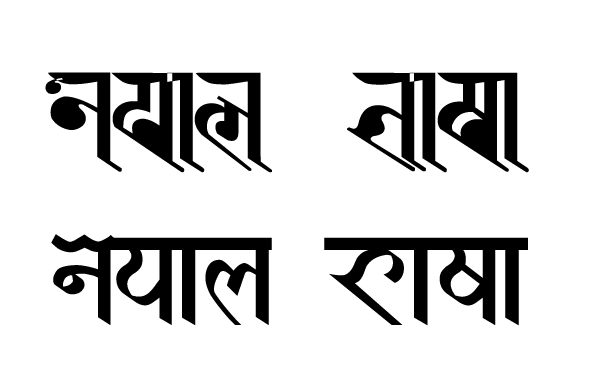


Names and identity
Native speakers often call the language Newah Bhaaye or Nepal Bhasa. The English label "Newari" is widespread in older literature but is considered by many speakers to be an exonym and sometimes derogatory; contemporary advocacy generally prefers the indigenous names. For community information see the Newa people.
Classification and linguistic character
Newar belongs to the Tibeto-Burman branch of the larger Sino-Tibetan language family. It exhibits features common in the region’s languages, including rich verbal morphology and a variety of regional speech forms. Linguists recognize multiple dialects associated with Kathmandu (Kantipur), Patan (Lalitpur), Bhaktapur and other towns and villages; these varieties differ in pronunciation, vocabulary and some grammatical details.
Scripts, literature and history
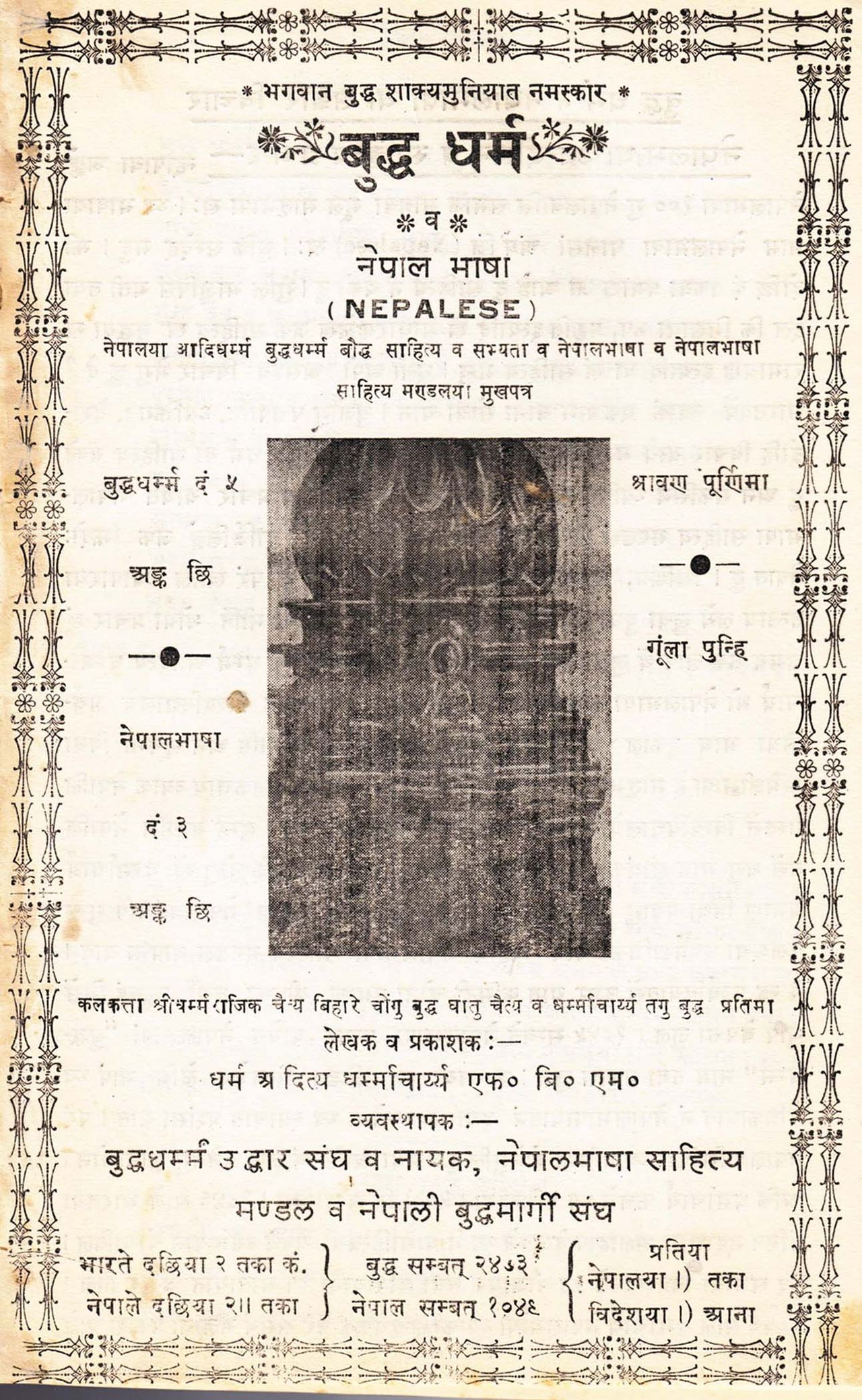
The language has a long written tradition reflected in inscriptions, manuscripts and a corpus of religious and secular texts. Historically, the distinctive Rañjana script and related scripts (often grouped as Newar scripts) were used for religious manuscripts and inscriptions. In modern times, Devanagari is commonly used for printing and education. For background on the language family see Tibeto-Burman overview.
Uses, vitality and revitalization
Nepal Bhasa is used across ceremonial life, music, oral storytelling and local broadcasting. Like many indigenous languages, it has faced pressures from national and global languages, and community organizations and scholars have promoted teaching, publications and media in the language to support intergenerational transmission. Educational materials and dictionaries have been produced and continue to expand; see learning and documentation resources here.
Notable facts
- Newar’s written record includes inscriptions and manuscripts that reflect the valley’s long urban civilization.
- Traditional Newar scripts are valued for calligraphy and liturgical use, while Devanagari is common for modern print.
- Language activism emphasizes indigenous naming, cultural rights and inclusion of Nepal Bhasa in education and media.
Overall, Nepal Bhasa remains a central marker of Newa identity and cultural continuity, with active efforts to document, teach and revitalize its use across generations.
Related articles
Author
AlegsaOnline.com Newar language (Nepal Bhasa) Leandro Alegsa
URL: https://en.alegsaonline.com/art/69706
Sources
- ethnologue.com : Newar
- ethnologue.com : Newar
- ethnologue.com : Middle Newar
- glottolog.org : "Subfamily: Newar"
- rukshanakapali.com : "Why using the word 'Newari' is problematic"