
Mount Hermon: geography, ecology, history and modern significance
Mount Hermon is a high mountain massif on the borders of Syria, Lebanon and Israel, notable for seasonal snow, important water resources, biodiversity at altitude, and strategic and cultural roles in the Levant.
Mount Hermon (Arabic Jabal al-Shaykh; Hebrew Har Hermon) is a prominent mountain cluster in the eastern sector of the Lebanon mountain system and the Anti-Lebanon region. The massif is often described as a very high mountain cluster whose highest point reaches approximately 2,814 metres above sea level. The summit area lies where the borders of Syria, Lebanon and Israel come close, and the massif’s southern slopes descend into the Israeli-controlled Golan Heights.
Image gallery
10 Images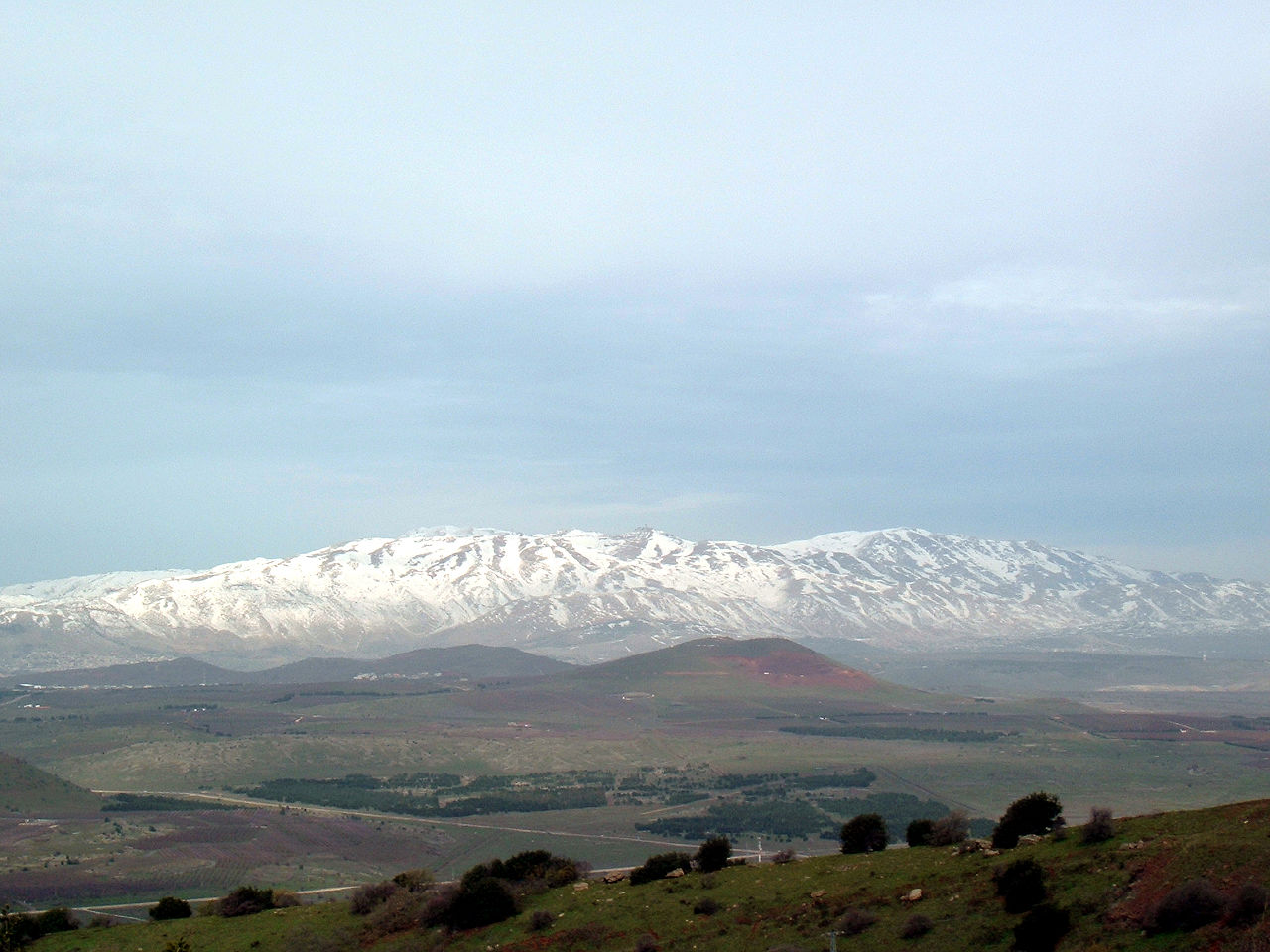



Geography and geology
Hermon consists of a series of peaks and ridges forming a distinct topographic island. Geologically, it is composed of older sedimentary and some metamorphic rocks shaped by regional uplift and erosion. Elevation and aspect create steep escarpments on some flanks and gentler plateaus elsewhere, with microclimates that vary by slope and altitude.
Climate and hydrology
The mountain receives substantially more precipitation than adjacent lowlands; it is commonly cited as having among the highest precipitation totals in the wider Syria–Israel region. Winter storms bring snow to the upper slopes and peaks, and seasonal snowpack and rainfall feed springs, streams and aquifers. Snowmelt is a major seasonal water store that contributes to headwaters used by downstream communities.
Ecology
Altitude and moisture support plant communities that contrast strongly with surrounding Mediterranean scrub and steppe. Montane woodlands, patches of shrubs and alpine meadows occur above the foothills, providing habitat for birds, mammals and specialized plants. Some endemic or locally restricted species are associated with the cooler, wetter conditions on the massif.
History and cultural significance
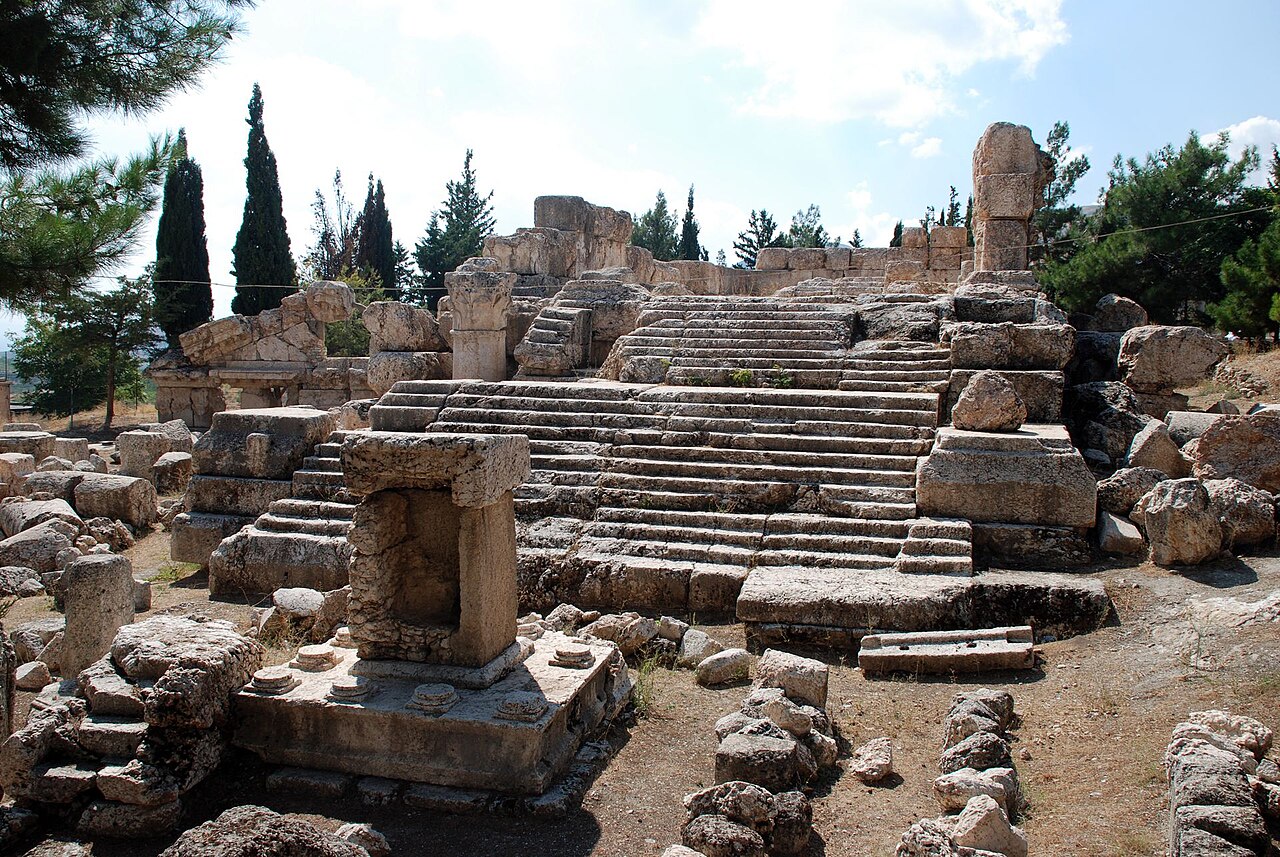
Hermon is a long-visible landmark in the Levant and appears in classical and religious writings; local traditions attribute varied symbolic meanings to its white-capped peaks. Over centuries it marked territorial limits for communities and tribes and served as a source of freshwater for settlements below. Archeological traces in surrounding areas attest to long-term human presence on its lower slopes.
Modern uses and strategic importance
In modern times the mountain is used for recreation where access permits: ski facilities operate on parts of the massif during the snowy season and hiking is popular on lower trails. The elevation provides clear lines of sight that make Hermon valuable for observation, meteorological monitoring and communications; these aspects have given the area strategic significance in contemporary border and security arrangements.
Conservation, access and management
Administration and access differ between sectors of the massif. Parts are managed for recreation or are under military control, while other areas receive conservation attention to protect water sources and montane habitats. Balancing tourism, resource use and habitat protection remains a local management challenge.
Notable facts
- Water resource: snowmelt and rainfall sustain springs and streams serving downstream communities.
- Climatic contrast: elevation creates cooler, wetter conditions relative to surrounding plains.
- Borderland: the summit zone lies at a complex international boundary with differing administration.
- Recreation and science: skiing, meteorological stations and communications infrastructure take advantage of altitude and exposure.
Mount Hermon remains an area where geography, ecology and human history intersect. Its seasonal snow, hydrological role, specialized mountain habitats and visibility across the Levant ensure continued importance for local populations, visitors and states. For further reading on names, geography and climate, see the Arabic and Hebrew traditional names cited above and regional overviews that treat the massif’s physical and cultural landscapes in detail. Arabic name • Hebrew name • mountain cluster • Syria • Lebanon • Israel • Golan Heights • snow • winter • precipitation
Related articles
Author
AlegsaOnline.com Mount Hermon: geography, ecology, history and modern significance Leandro Alegsa
URL: https://en.alegsaonline.com/art/67035
Sources
- mapper.acme.com : ACME Mapper terrain display
- cia.gov : "CIA World Fact Book: Syria"