
Mount Mitchell — Highest Peak of the Blue Ridge (North Carolina)
Mount Mitchell (6,684 ft / 2,037 m) in western North Carolina is the tallest summit of the Blue Ridge and the highest point in the U.S. east of the Black Hills; noted for its spruce–fir forest and visitor access.
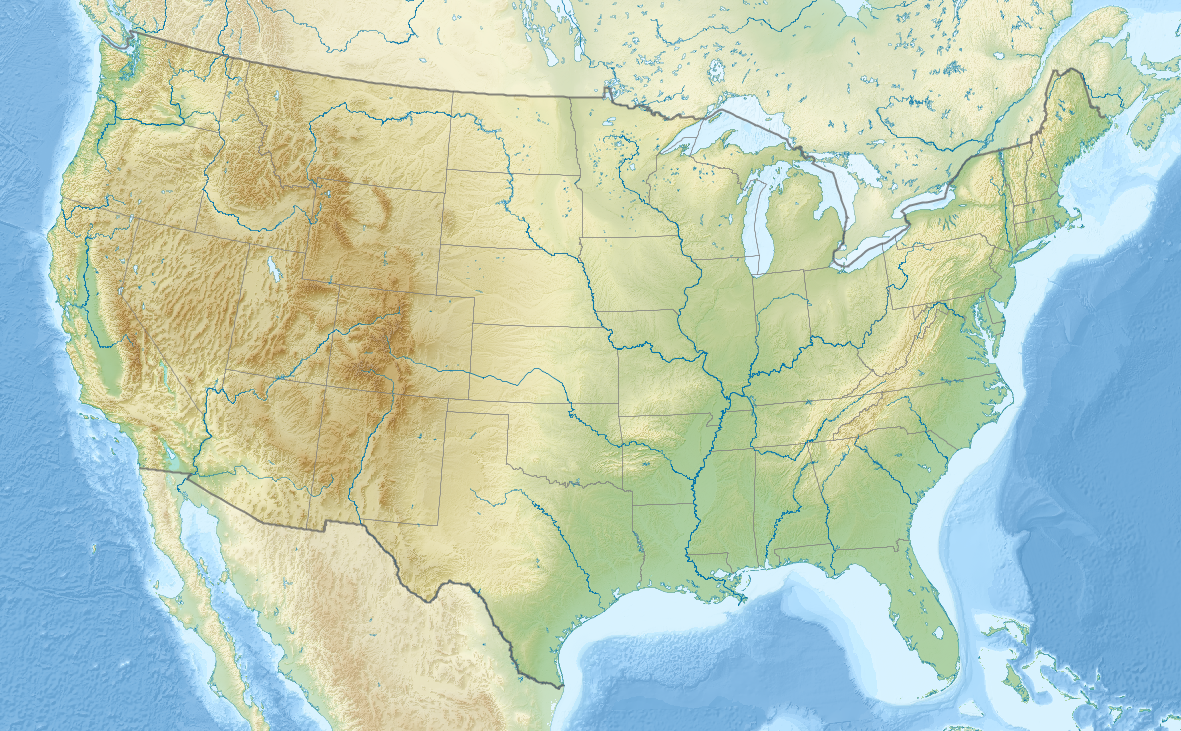
Mount Mitchell rises to 6,684 feet (2,037 m) in western North Carolina and is the highest summit of the Blue Ridge Mountains. It is also the highest point in the United States east of the Black Hills in South Dakota. The peak draws visitors for its panoramic views, high-elevation spruce–fir forest, and historical associations with early scientific survey work. For official park information and overview pages see the main entry for Mount Mitchell and regional summaries of highest points in eastern North America.
Image gallery
8 Images


Geography and summit features
The mountain’s summit is characterized by exposed rock ledges and a small island of cold-adapted vegetation that marks one of the southernmost occurrences of true spruce–fir forest in eastern North America. Summit weather is typically cooler, windier, and more changeable than the surrounding lowlands; fog, rain and occasional winter ice or snow can occur when lower elevations remain mild. The summit area includes a paved platform and an observation deck that replaced an older stone tower removed in 2006; the newer deck opened to visitors in 2009 and provides views across the Appalachian highlands.
Ecology and conservation
The upper slopes support a distinct community dominated by red spruce and Fraser fir, a high-elevation assemblage that survives in the cooler microclimate of the highest peaks. These forests are ecologically important and fragile. They face threats from air pollution, climate change and exotic pests such as the balsam woolly adelgid, which has contributed to declines in Fraser fir across the region. Land managers emphasize staying on trails, minimizing disturbance to vegetation, and supporting restoration and monitoring programs to conserve these rare mountain ecosystems.
History and human story
The mountain was named for Dr. Elisha Mitchell, a 19th-century professor who measured and publicized the summit’s elevation. Mitchell returned to verify his measurements and died after a fall near what is now called Mitchell Falls; his tomb and a memorial are on or near the summit area. The mountain has long been part of regional natural history and recreation traditions, and it later became the focus of state park protection and interpretive effort to make the high peak accessible while protecting sensitive habitats.
Access, trails and visitor facilities
Access to the summit is relatively straightforward for an Appalachian high peak. A 4.6-mile state highway spur (North Carolina Highway 128) connects from the nearby Blue Ridge Parkway and ends at a high-elevation parking and visitor area; from that lot a short paved trail and steps of roughly 980 feet (about 300 m) lead through the conifer stand to the summit platform. The parking area and summit site typically provide interpretive signs, basic visitor facilities, and picnic space. Longer hikes and loop trails exist in the surrounding Mount Mitchell State Park for those seeking extended backcountry experience.
Recreation and safety
- Visitors should dress in layers and be prepared for rapidly changing weather; winds and cooler temperatures at elevation are common.
- Trails may be wet, icy or steep in places; appropriate footwear and caution are advised.
- Because high-elevation forests are sensitive, visitors are asked to remain on trails, pack out trash, and follow posted park regulations to reduce impacts.
Significance and comparisons
Mount Mitchell is a geographic landmark of the southern Appalachians and serves as a reference point for the highest eastern elevations of the United States. Its combination of unusual high-elevation ecology, historical interest tied to early survey work and public accessibility make it a frequently visited and studied mountain. For broader context on eastern high points and regional ranges consult park materials and the linked resources cited in this article, including general summaries of highest points and regional overviews for South Dakota and the Black Hills.
Related articles
Author
AlegsaOnline.com Mount Mitchell — Highest Peak of the Blue Ridge (North Carolina) Leandro Alegsa
URL: https://en.alegsaonline.com/art/67058