
Mount Adams (Washington)
Mount Adams is a prominent Cascade stratovolcano in south-central Washington, noted for its broad profile, glaciers, cultural importance, and popular climbing routes in Mount Adams Wilderness.
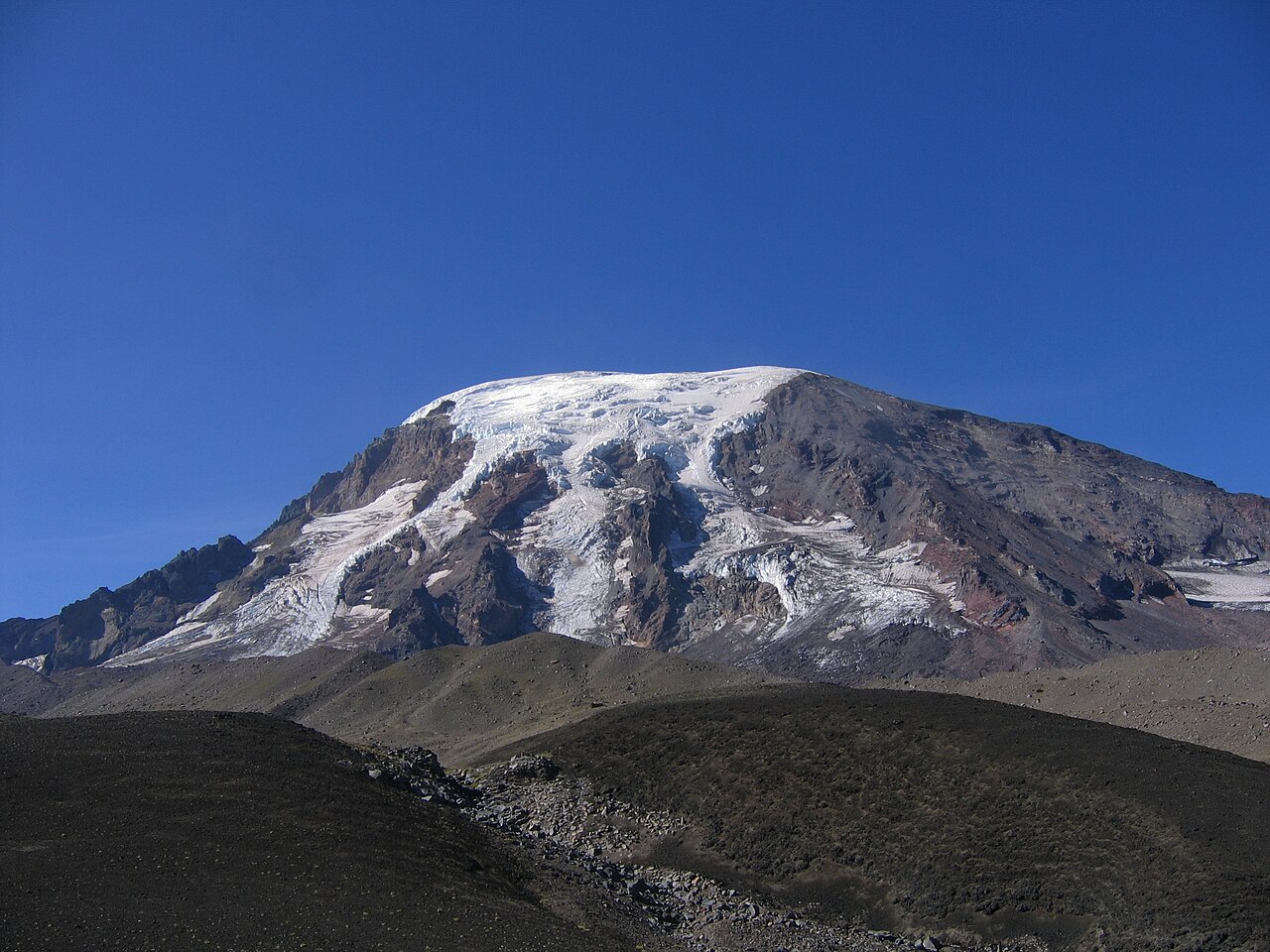
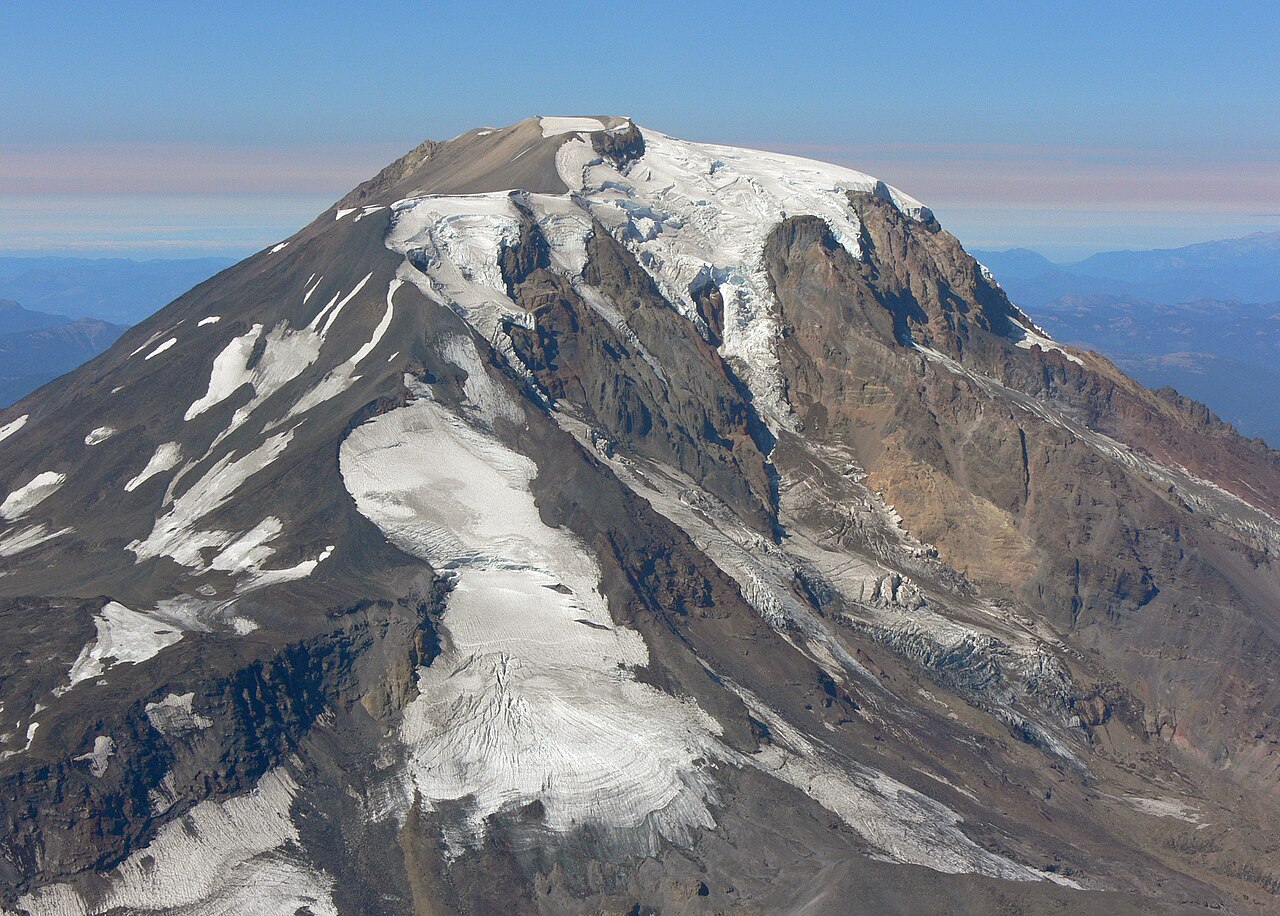
Mount Adams rises to about 12,280 feet (3,742 m) and is one of the largest and most distinctive mountains in the Pacific Northwest. It stands within the Cascade Range and is a prominent landmark in south-central Washington, in the broader context of North America. The peak's broad, domed silhouette and extensive high-elevation meadows make it visually and ecologically distinct from taller, steeper neighbors.
Image gallery
10 Images





Geology and physical features
Adams is a complex stratovolcano built by repeated eruptions of lava and fragmental material over many thousands of years. It is part of the Cascade Volcanic Arc and shows multiple vents and a broad summit area rather than a single, sharply peaked cone. Several glaciers and permanent snowfields occupy cirques and high slopes, and glacial melt helps feed downstream streams. The mountain is classed as a volcano and is included in regional volcanic studies and hazard assessments by scientific agencies (volcanic references).
Location and relative setting
Mount Adams sits east of the principal chain of high Cascade volcanoes and lies roughly 35 miles east of Mount St. Helens by regional measures. Its position influences local climate, snowpack, and watershed patterns. Maps and planning resources show Adams within driving distance of several towns and trailheads, while much of its upper slopes lie within protected public lands.
Human history and cultural significance
Indigenous peoples of the region have long-standing cultural connections with the mountain and have used native names for it in their languages. European-American explorers and settlers later applied the current English name; the mountain has since been a focus for scientific study, recreation, and cultural recognition. There are no confirmed historical eruptions in the modern record, and the volcano is generally regarded as dormant but potentially active.
Recreation, routes, and safety
Mount Adams attracts hikers, scramblers, and mountaineers. The most frequented approach to the summit is commonly called the South Climb, which traverses alpine meadows and requires glacier travel near the top. Climbers must be prepared for crevasses, shifting weather, and navigation on snow and rock. Climbers and backcountry visitors should consult up-to-date trail and safety information from local ranger stations and trail resources before attempting routes.
Ecology and conservation
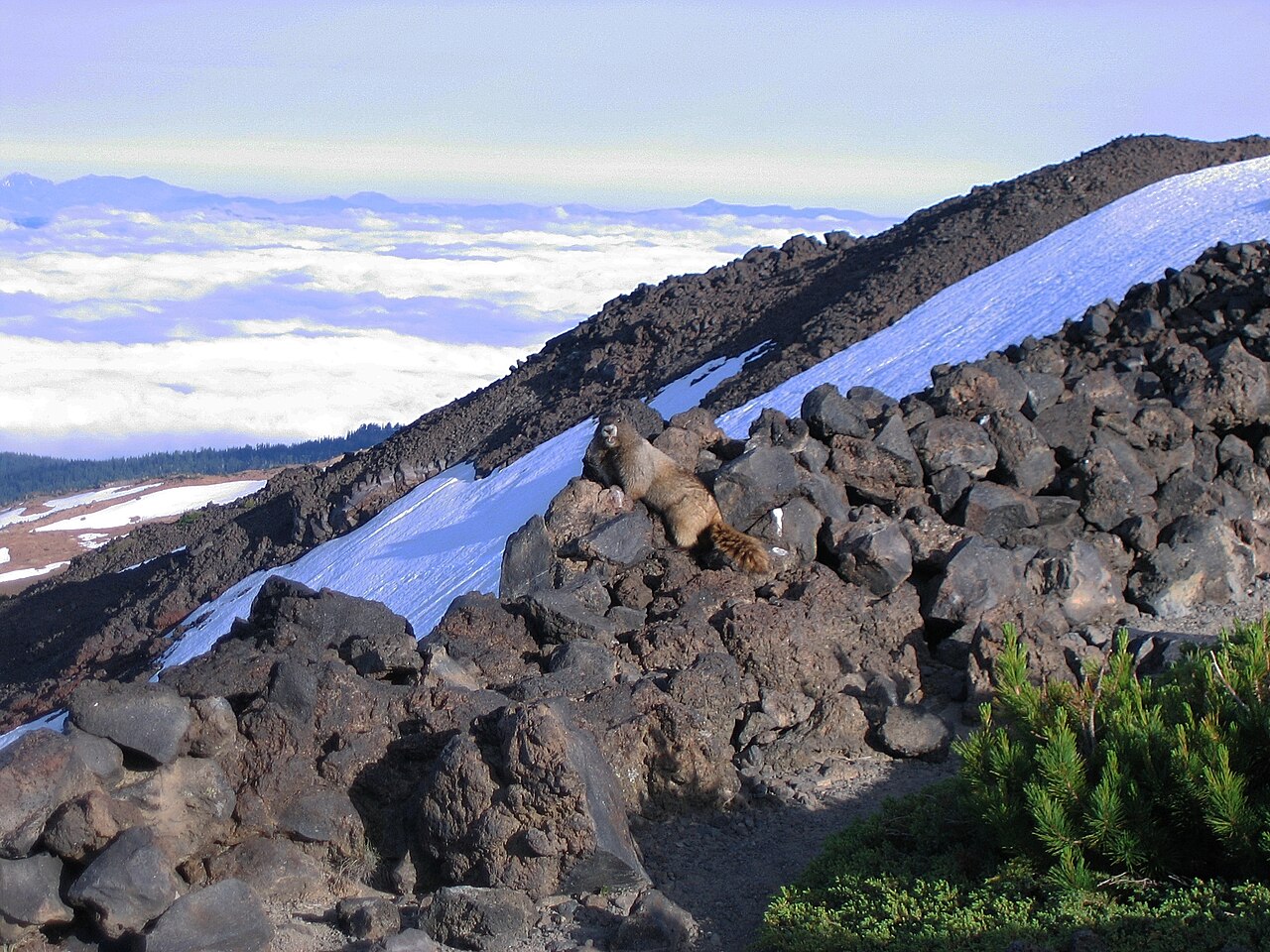
Lower slopes support dense coniferous forests and a range of wildlife typical of the Cascades; higher elevations feature subalpine meadows with seasonal wildflowers and specialized plants adapted to short growing seasons. Much of the mountain and surrounding terrain is managed to conserve watersheds, habitat, and recreational values; parts of the landscape are designated wilderness to protect natural character.
Monitoring, hazards, and research
Although not among the most active Cascade volcanoes in recent centuries, Adams is included in regional monitoring and research efforts. Agencies and research institutions provide observational data and guidance on volcanic and glacial conditions; prospective visitors and planners can consult monitoring portals and scientific summaries for current information (research and monitoring links).
Notable facts and resources
- Elevation and profile: a high, glacier-laced peak with a broad summit plateau that contrasts with more conical Cascades.
- Access and regulations: much of the mountain is within designated wilderness and national forest lands; visitors should review permits and seasonal rules via land-management pages (access).
- Climbing guidance: standard mountaineering information and route descriptions are available from guidebooks and local climbing organizations (reference).
- Regional context: the peak is part of the wider Cascade Range and the biogeographic region of the Pacific Northwest, which shapes its climate and ecosystems.
For planning a visit, researching geology, or learning about cultural connections, consult ranger offices, regional publications, and scientific resources that focus on the Cascades and volcanic landscapes.
Related articles
Author
AlegsaOnline.com Mount Adams (Washington) Leandro Alegsa
URL: https://en.alegsaonline.com/art/66988