
Asparagus: botany, cultivation, uses, and notable facts
Asparagus is a diverse genus of perennial flowering plants best known for the edible Asparagus officinalis. This article covers its biology, cultivation, culinary uses, history and distinguishing features.
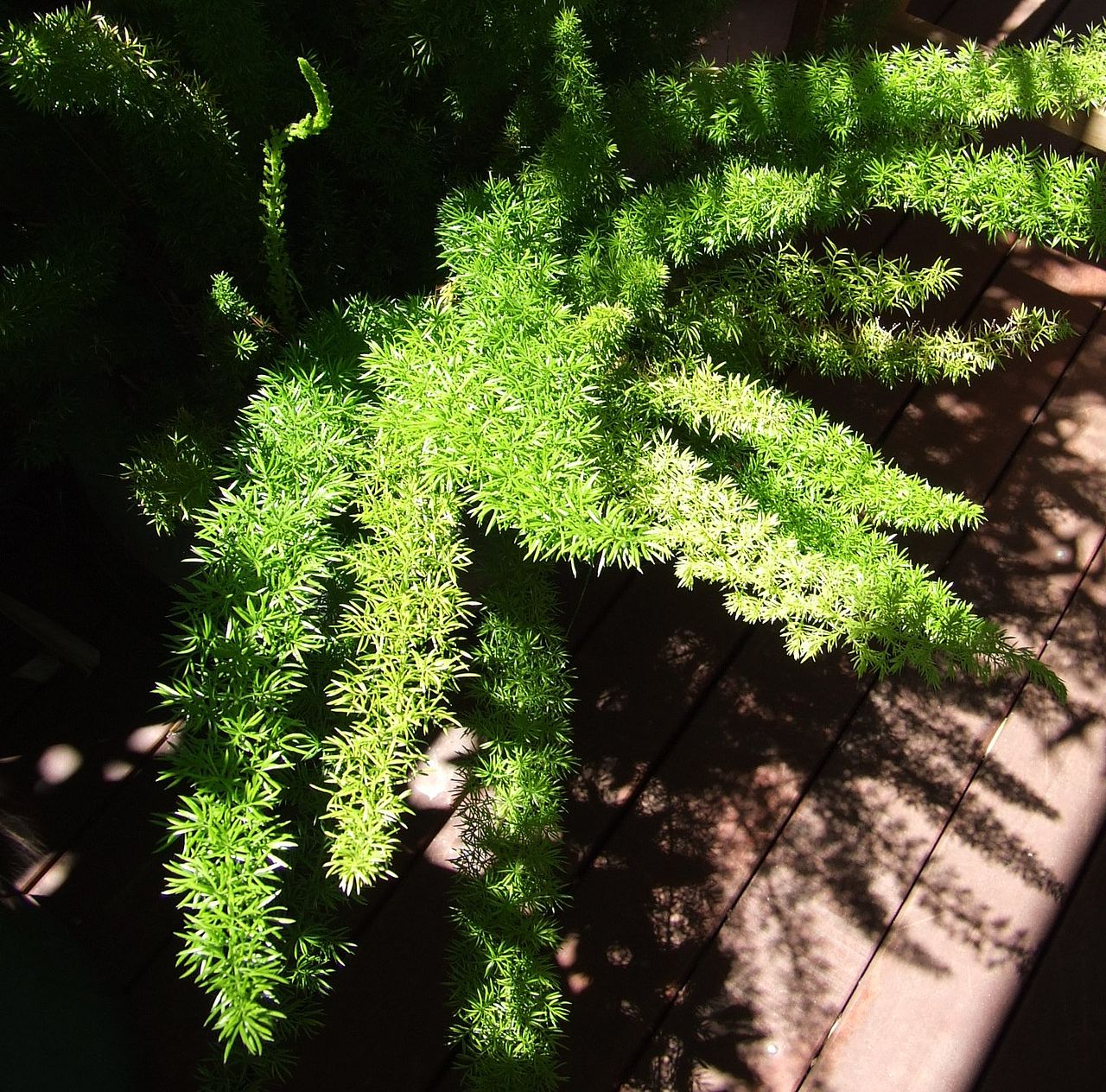
Asparagus refers to a large genus of perennial flowering plants that includes more than 300 species. The group spans a wide range of forms, from edible garden crops to delicate ornamental plants. The familiar garden vegetable is Asparagus officinalis, harvested as young shoots in spring. Other members, grown for foliage texture rather than food, are often called 'asparagus ferns' despite not belonging to true ferns; one common example is Asparagus setaceus.
Image gallery
10 Images





Botanical characteristics
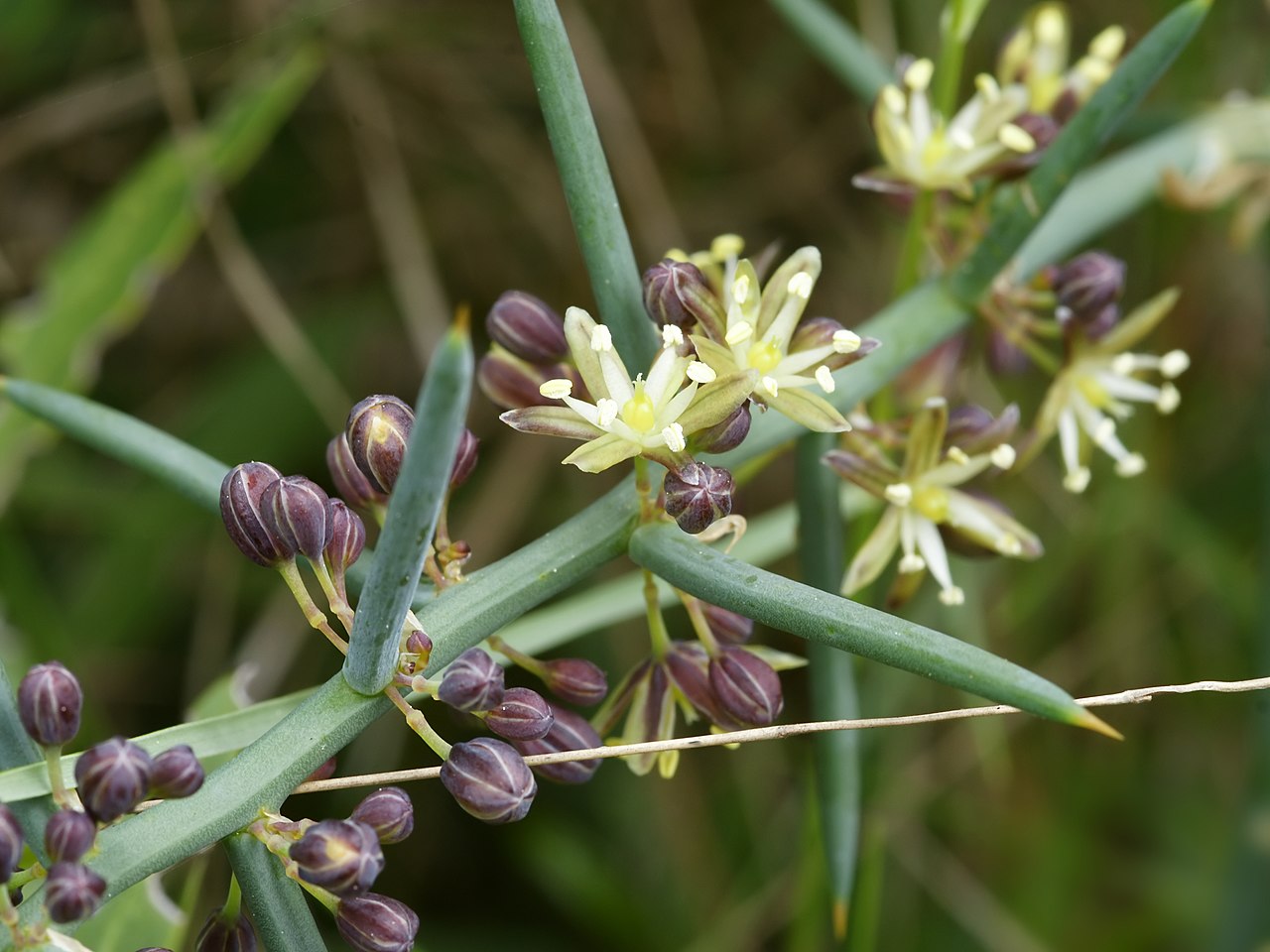
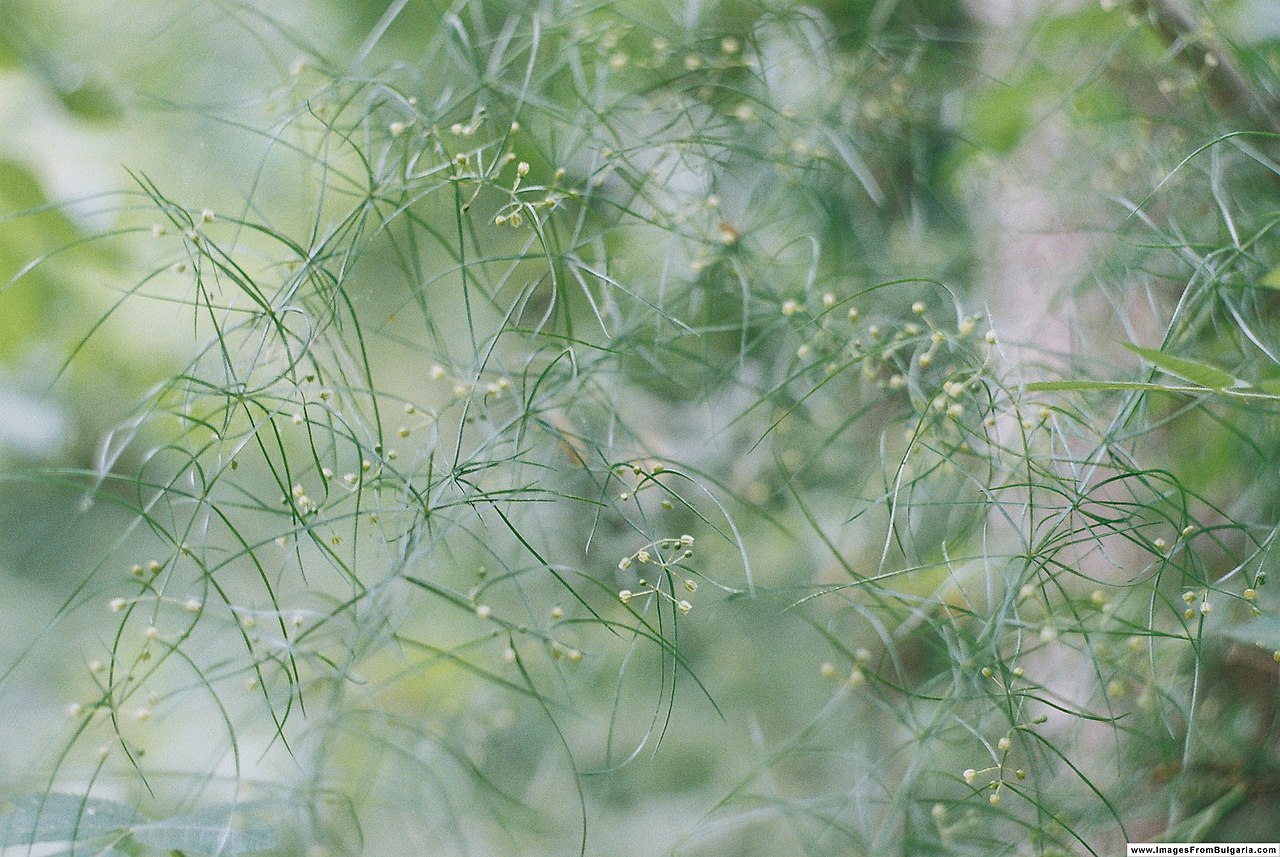
Members of the genus are flowering plants within a larger family of monocots. They usually produce slender, upright shoots that emerge from woody crowns or rhizomes. What appear as leaves on many species are in fact reduced leaf-like structures (cladodes) that perform photosynthesis while the true leaves are small and scale-like. Flowers and berries follow in species that reproduce sexually, and many species form dense, arching foliage useful in gardens.
Varieties and common forms
- Edible asparagus — Asparagus officinalis, cultivated for its young shoots or 'spears'.
- Ornamentals — species grown for fine, feathery foliage, referenced as ornamental plants.
- Distinguished types — garden varieties can be classified by spear color and cultivation method; commercially important forms are selected for tenderness and flavor.
Cultivation typically involves planting crowns or seeds in well-drained soil and allowing several seasons for the crown to establish. Asparagus is treated as a perennial crop, with annual harvests of tender shoots while letting older stems remain to feed the crown.
Uses and importance
Asparagus has culinary, ornamental, and ecological roles. The shoots of edible species are consumed fresh, roasted, steamed, or incorporated into many dishes; they are traditionally a spring vegetable in temperate regions. Ornamental species contribute texture to floral arrangements and shaded garden borders. The plants can also provide habitat and food for wildlife where berry-producing species occur.
History, classification and notable facts
The genus was treated by early taxonomists and appears in foundational botanical works: for example, Carl Linnaeus described species that later contributed to modern classification, with A. officinalis serving as a representative species in many accounts. Botanical references present the group within flowering plants; for an overview of the genus see resources on the asparagus genus and general guides to flowering plants. A compiled index or list of described taxa appears in specialist catalogues and checklists (species lists).
One well-known biochemical curiosity is that eating asparagus can cause a distinctive odor in urine for some people. This effect is associated with sulfur-containing compounds produced in the plant and is discussed in consumer and scientific summaries (urine odor).
Overall, asparagus combines horticultural interest with a long-standing culinary role and several horticultural uses; whether grown for food or foliage, it remains a widely recognized and versatile group of plants.
Related articles
Author
AlegsaOnline.com Asparagus: botany, cultivation, uses, and notable facts Leandro Alegsa
URL: https://en.alegsaonline.com/art/6668