
Aspen (Populus): description, biology, uses and notable facts
Aspens are fast-growing Populus trees known for their trembling leaves, clonal colonies and important ecological and cultural roles across northern temperate regions.
Overview
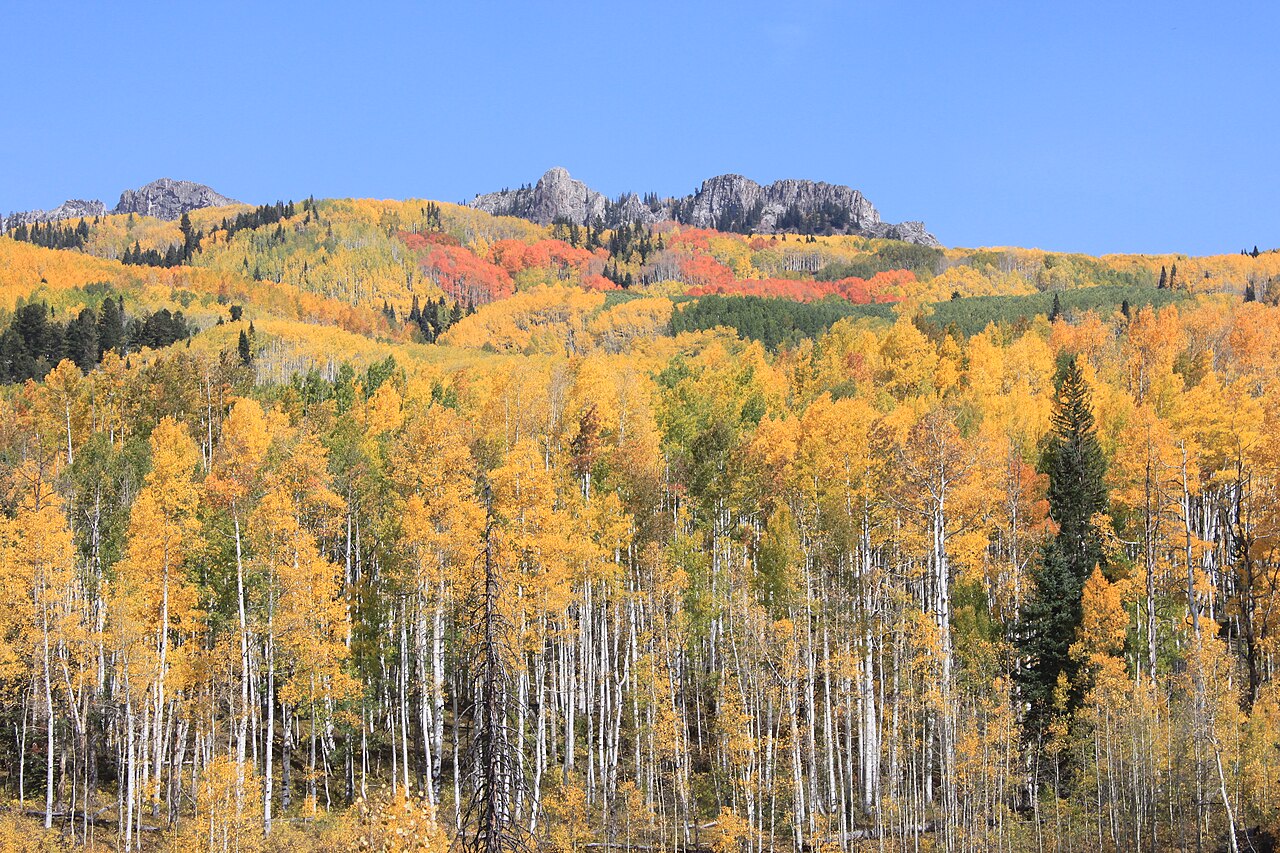
Aspens are deciduous members of the genus Populus, commonly known as trembling or quaking aspens because their small, rounded leaves flutter in the slightest breeze. Two widely recognized species are the North American quaking aspen and the Eurasian trembling aspen. Aspens are valued for their distinctive appearance, rapid colonizing habit and ecological importance in temperate and boreal landscapes.
Image gallery
10 Images


Characteristics
Aspens have several traits that distinguish them from other trees and shrubs. Key features include:
- Flattened petioles that allow leaves to tremble and reflect light.
- Smooth, pale bark often marked with dark scars or lenticels.
- A tendency to reproduce vegetatively by root suckers, forming clonal stands.
- Relatively short-lived individual stems but long-lived root systems that persist and resprout.
Distribution and history
Aspens occur across northern temperate regions of North America, Europe and Asia. They are pioneer species that quickly establish after disturbance such as fire, windthrow or logging. Their ability to sprout from roots gives them an advantage in regenerating landscapes and contributes to patterned stands of genetically identical stems in many areas.
Ecology and importance
Aspen stands support diverse communities: understory plants, fungi, insects, birds and large mammals often rely on the food and shelter they provide. Their leaves and bark are browsed by deer and elk; dead aspens contribute to coarse woody debris and habitat complexity. Because they colonize open sites, aspens play a role in soil stabilization and successional cycles.
Uses and cultural notes
Humans have used aspen wood and bark in a variety of ways. The light, fine-grained timber is used for pulp, crates, interior joinery and some furniture, while the bark and buds have seen use in traditional remedies. Aspens are also planted for ornamental and reclamation purposes. In folklore and literature their trembling leaves and white bark have made them symbols of renewal, watchfulness and ephemeral beauty.
Notable distinctions
One well-known consequence of clonal growth is the formation of vast single-organism colonies: famous examples of aspen clones demonstrate how one root system can give rise to many stems over wide areas and long times. Because of these habits, conservation and forest management for aspen often focus on maintaining disturbance regimes and preventing conversion to conifer-dominated stands.
Related articles
Author
AlegsaOnline.com Aspen (Populus): description, biology, uses and notable facts Leandro Alegsa
URL: https://en.alegsaonline.com/art/6673
Sources
- ontariosciencecentre.ca : Largest living thing
- nps.gov : Quaking Aspen
- gardenplansireland.com : Irish native Aspen tree
- treesforlife.org.uk : Aspen