
Ornamental plant: decorative horticulture, uses and cultivation
Plants grown primarily for visual appeal—flowers, foliage, scent, bark or form—used in gardens, containers and interiors. Covers characteristics, cultivation, history and uses in landscaping and floriculture.
Overview
An ornamental plant is cultivated chiefly for its aesthetic qualities rather than for food, fiber or other utilitarian products. These plants appear in private gardens, public parks, green roofs, interiors as flower garden specimens or houseplants, and are frequently sold by nurseries and specialist growers. The practice of producing ornamentals is central to floriculture, a branch of horticulture concerned with flowering and ornamental plants.
Image gallery
5 Images


Characteristics and common features
Ornamental species are selected for a variety of visual and sensory traits. Prominent features include bloom color and form, leaf shape and variegation, fragrance, decorative fruit, interesting stems or striking bark. Some plants are prized for seasonal display, others for year‑round foliage or architectural form. Cultivars and hybrids created by breeders expand the palette available to landscape designers and hobby gardeners.
Uses and placement
Ornamentals are used to create mood, structure and focal points in outdoor and indoor settings. Typical applications include:
- Flower beds and borders, where contrast of color and texture is important.
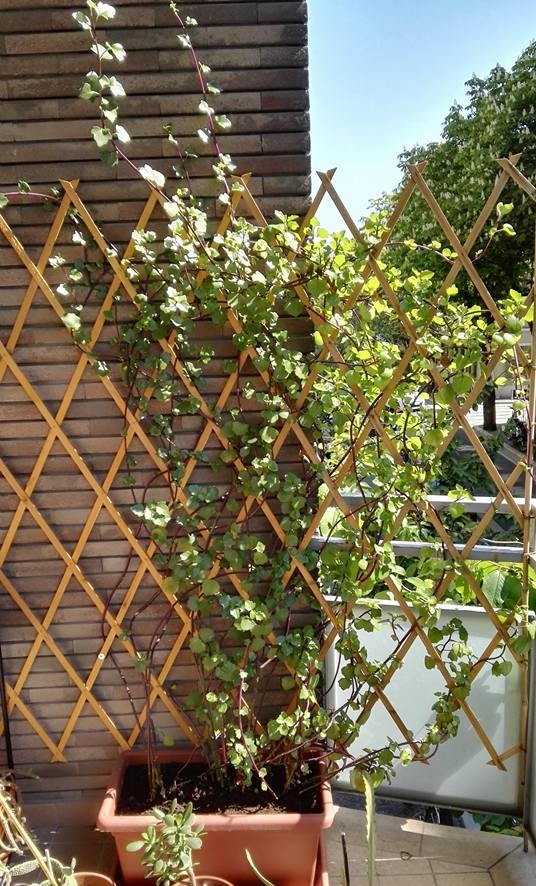
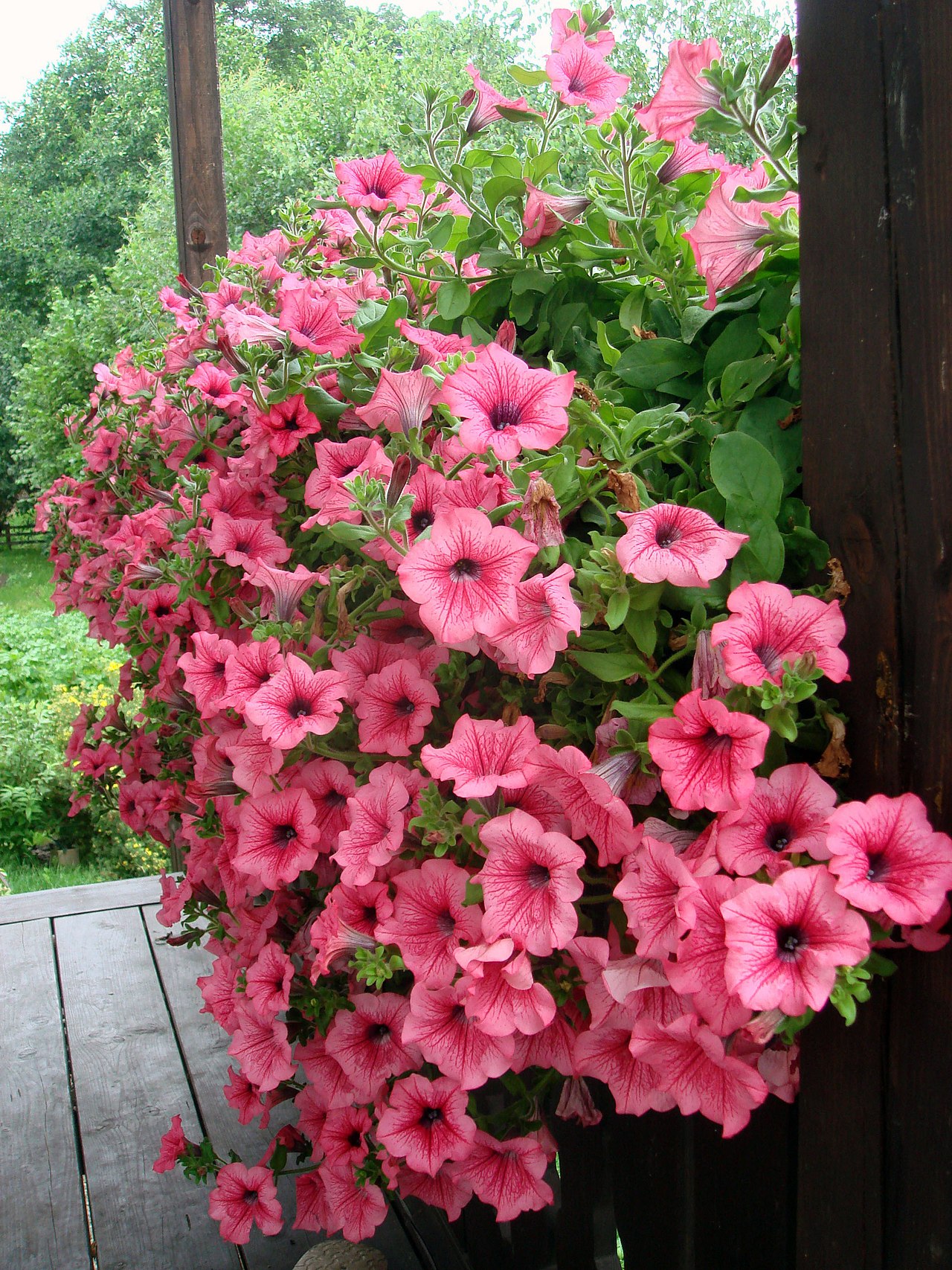
- Containers and balcony gardens, suitable for terraces and interiors.
- Cut flowers and floral arrangements for events and commerce.
- Specimen trees and shrubs that provide seasonal interest or screening.
Design decisions balance aesthetic goals with climate, soil and maintenance requirements; drought‑tolerant, native or low‑maintenance ornamentals are increasingly chosen for sustainable landscaping.
History and development
People have cultivated plants for decoration for millennia, from ancient ornamental gardens in Mesopotamia and Egypt to classical and Islamic garden traditions that emphasized geometry, water and shade. In later centuries, plant collecting, plant trade and horticultural breeding—especially during the Renaissance and the Victorian era—greatly expanded the range of available ornamentals. Individual figures such as Charles Darwin contributed to botanical understanding; Darwin wrote on aspects of plant physiology and had a particular interest in specialized groups like orchids.
Propagation, cultivation and maintenance
Ornamental plants are propagated by seed, division, cuttings, layering and grafting depending on the species and desired traits. Production in nurseries involves propagation, growing media management, pruning, pest and disease control, and often controlled environments for young plants. Gardeners maintain ornamentals through pruning, feeding, mulching and irrigation to preserve form and encourage flowering.
Notable distinctions and cultural importance
Not all plants used in gardens are exclusively ornamental; many plants combine decorative appeal with utility (for example, herbs that are both attractive and edible). Public and historic gardens—such as the white garden at Sissinghurst created by Vita Sackville‑West—illustrate how ornamental planting can become cultural and touristic attractions. In contemporary practice, ornamental horticulture intersects with ecology, conservation and urban planning as designers aim to support biodiversity while creating visually pleasing landscapes.
Further reading and resources are available for specific topics such as planting design, cultivar selection and commercial production; nursery catalogs, horticultural societies and academic floriculture programs provide applied guidance for growers and gardeners alike.
Learn more about flowers and flowering plants | Explore garden types | Stem and structural features | Bark and winter interest | Ornamental fruit | Floriculture resources | Biographical note | Plant physiology topics
Related articles
Author
AlegsaOnline.com Ornamental plant: decorative horticulture, uses and cultivation Leandro Alegsa
URL: https://en.alegsaonline.com/art/73205