
Asteraceae (Compositae) — the daisy and sunflower family
One of the largest families of flowering plants, Asteraceae (or Compositae) is characterized by composite flower heads (pseudanthia) and includes sunflowers, daisies, thistles and many ornamentals and crops.
Overview
The Asteraceae, historically also called Compositae, are a very large family of flowering plants characterized by heads of many small flowers that together resemble a single bloom. These composite heads, or pseudanthia, are a key innovation: what a casual observer perceives as one flower is typically a cluster of florets arranged on a common receptacle. The family contains tens of thousands of species in nearly two thousand genera and is widely distributed across the world, from arctic to tropical regions. For a general introduction and taxonomic context see Asteraceae overview.
Image gallery
10 Images





Morphological characteristics
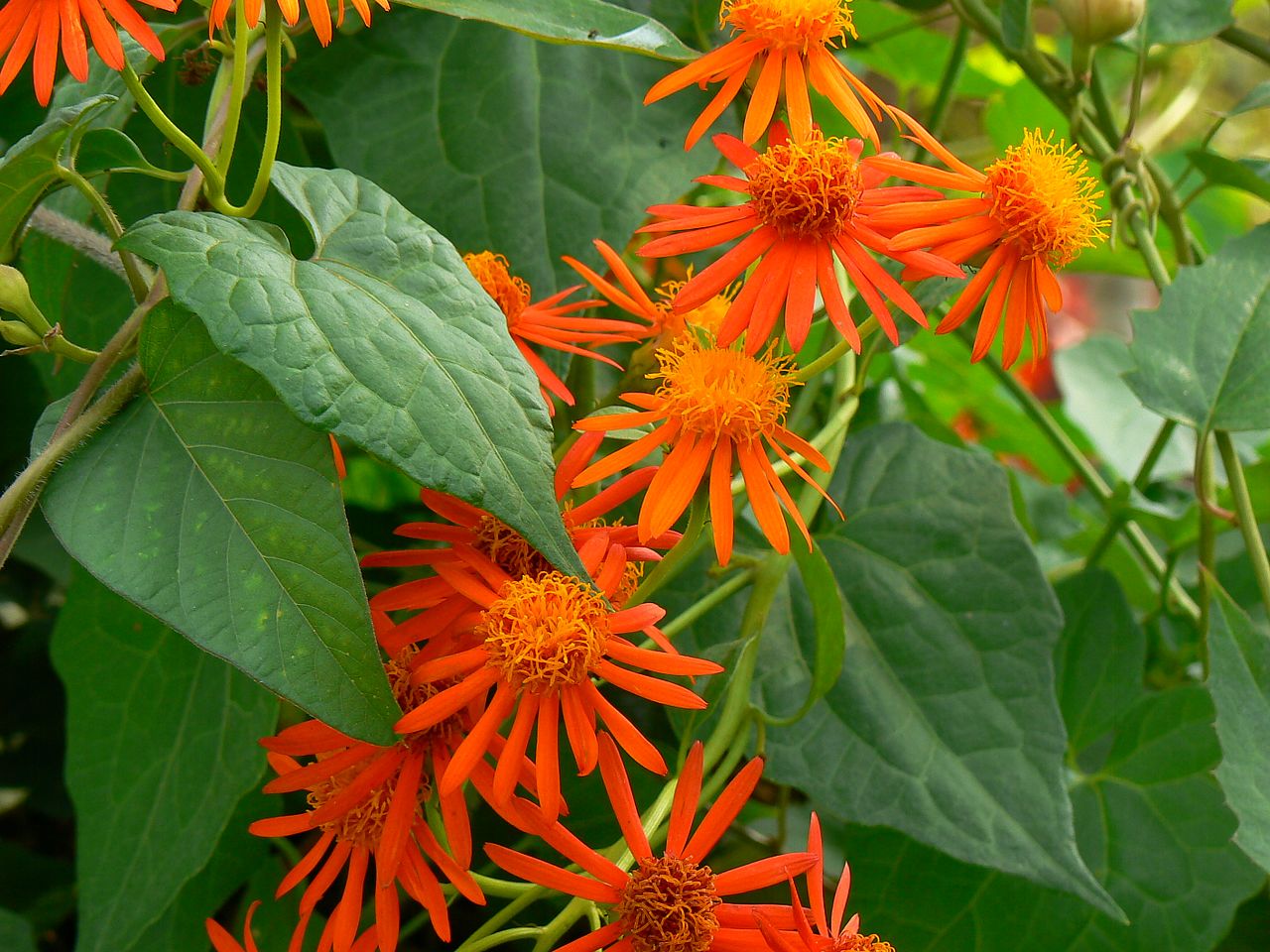
Asteraceae are recognized by several structural features. The inflorescence is a capitulum (flower head) surrounded by an involucre of bracts. Two principal floret types occur: ray (ligulate) florets that are flattened and often petal-like, and disc (tubular) florets that are actinomorphic and tubular. Some species have only one floret type. The calyx is usually modified into a pappus of bristles or scales that helps dispersal. The ovary is typically inferior and the fruit a dry single-seeded achene called a cypsela. The anthers often form a tube around the style (a characteristic called syngenesious), which facilitates pollen presentation to visiting insects. More on floral structure and terminology can be found at floral details and inflorescence terms.
Diversity, evolution and adaptations
The family shows remarkable ecological and morphological diversity, occupying habitats from grasslands and deserts to alpine screes and wetlands. Asteraceae likely diversified rapidly in the Cenozoic, and many lineages evolved traits that improve pollinator attraction and seed dispersal. Large composite heads present a conspicuous visual target, while abundant nectar and pollen reward visiting insects. Seed dispersal mechanisms include wind-borne pappi (as in dandelions), barbed or winged achenes, and heterocarpy — the production of different fruit types by the same plant — which can spread offspring across varied distances and microhabitats. Heterocarpy and related bet-hedging strategies are described in ecological literature and in resources such as reproductive strategies.
Uses, ecology and human importance
Asteraceae contain many species of economic and cultural value. Edible crops include sunflower (oilseed), lettuce and globe artichoke; ornamentals include dahlias, chrysanthemums, marigolds and zinnias; other species are sources of folk and modern medicines, dyes and oils. Ecologically, members of the family are vital for pollinators—bees, butterflies and other insects—providing nectar and pollen across seasons. Some species are also weeds or invasive outside their native ranges, and others (for example ragweeds) produce windborne pollen that can cause allergic reactions. For applied and cultivation information see horticulture and crops.
Notable genera and distinguishing facts
- Well-known genera include Helianthus (sunflowers), Taraxacum (dandelions), Bellis (daisies), Chrysanthemum, Aster and Cirsium (thistles).
- Common identification clues: capitulum with ray and/or disc florets, involucral bracts, pappus on the fruit, and cypsela achenes.
- The family name Compositae is retained for historical reasons; both Asteraceae and Compositae are accepted names in botanical usage. For taxonomic details consult nomenclature resources.
Together, these features make Asteraceae a conspicuous and ecologically influential group of flowering plants. Their composite heads, diverse life histories and interactions with animals have contributed to their widespread success and to their significance in agriculture, horticulture and natural ecosystems.
Tags
Related articles
Author
AlegsaOnline.com Asteraceae (Compositae) — the daisy and sunflower family Leandro Alegsa
URL: https://en.alegsaonline.com/art/6788