
Mokèlé‑mbèmbé: Congo Basin legend and cryptid claims
Mokèlé‑mbèmbé is a legendary water creature of the Congo River basin. Described as a river spirit, unknown animal, or surviving dinosaur, it has inspired local stories, expeditions, books and documentaries.
Overview
Mokèlé‑mbèmbé (often written Mokele‑mbembe) is a name from Central African oral traditions applied to a mysterious river‑ or swamp‑dwelling being in the Congo River basin. The name is commonly translated in popular sources as "one who stops the flow of rivers" and is discussed in both local folktales and Western retellings. The creature has been portrayed variously as a physical animal, a territorial spirit, or a symbolic element of environmental cautionary tales. Lingala meaning and the broader Congo Basin setting are frequently referenced in summaries of the tradition.
Image gallery
2 Images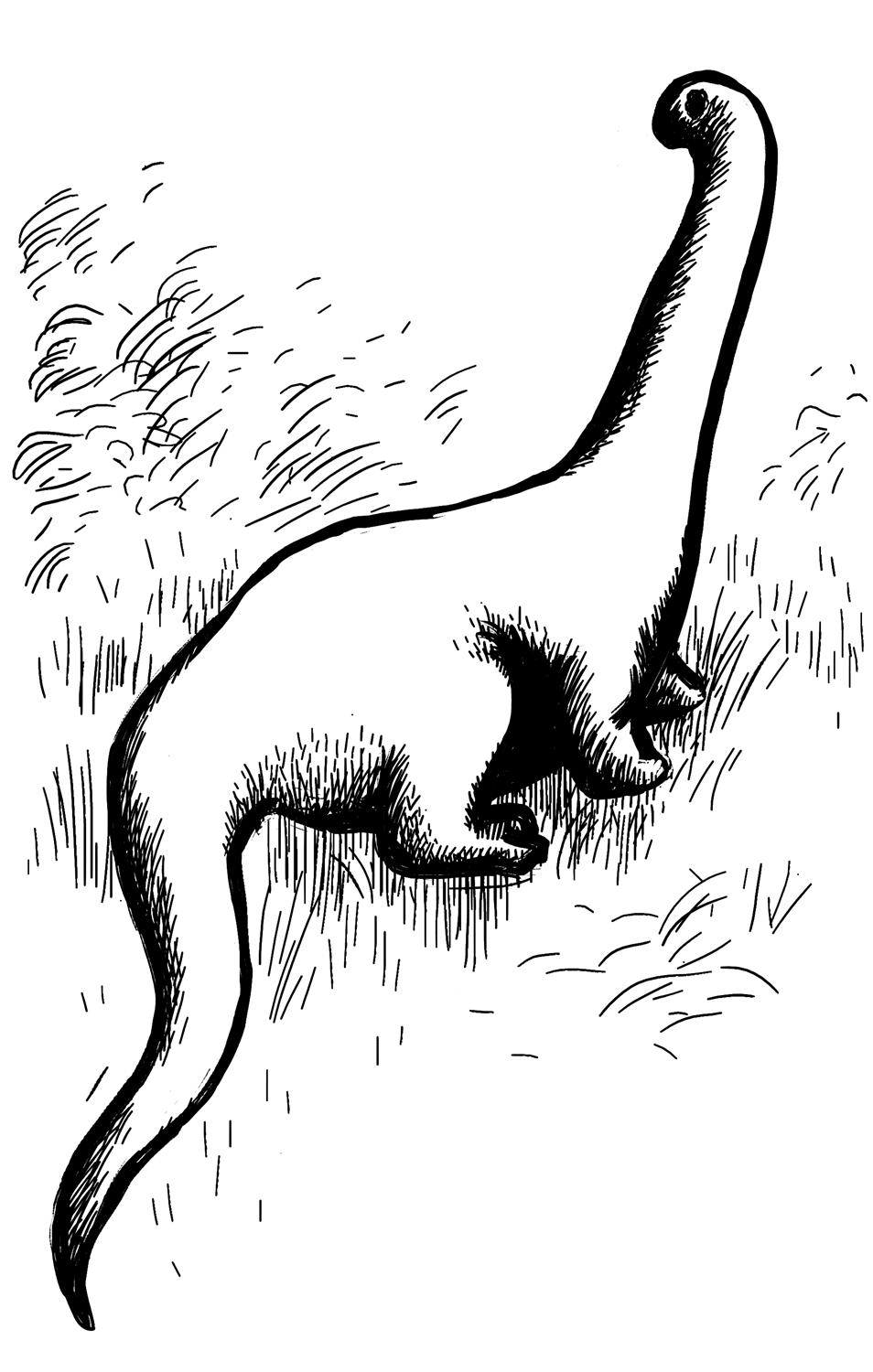

Etymology and origins
Reportage and scholarship note that the term appears in several Central African languages and has been recorded in accounts collected from riverine peoples, missionaries, and colonial explorers. Oral traditions are not uniform: names, attributes and the significance of the figure vary by community. Some accounts treat Mokèlé‑mbèmbé primarily as a spirit associated with particular stretches of water rather than a zoological species; scholars of folklore caution against reading such narratives as straightforward natural‑history reports. For discussion of spiritual dimensions see spirit interpretations.
Reported descriptions and local accounts
Descriptions reported in secondary sources range from a large, long‑necked herbivorous animal grazing on riverbank vegetation to non‑corporeal entities. Witness reports gathered by visitors and researchers have described an animal with a long neck and tail, a bulky body, or simply a presence that causes fear and respect. The variety of accounts, and the influence of media and prior collectors' expectations, complicate attempts to identify a single, consistent description.
Claims, hypotheses and popular analogies
In the 20th century some Western writers and proponents of cryptozoology proposed that Mokèlé‑mbèmbé might be a surviving sauropod or other large, relict vertebrate. This idea—sometimes emphasized in popular books and media—remains speculative and is treated with great skepticism by mainstream biology because it would conflict with established evidence on species survival and paleontology. The creature is often compared in popular culture to other lake or river cryptids, such as the Loch Ness Monster, and specific claims linking it to extinct long‑necked dinosaurs are summarized under sauropod claims and cryptozoology discussions.
Expeditions and investigations
Since the mid‑20th century there have been a number of expeditions by journalists, amateur enthusiasts and a few small scientific teams aimed at finding physical evidence. Methods have included interviews with local residents, boat and aerial surveys, photography and occasional sonar searches. Despite these efforts, no verifiable specimen, unambiguous photographic proof or reliable genetic material has been produced. The episodes and their cultural context have been the subject of several books and documentaries that examine both the searches and the reasons the story persists; see representative treatments in books and television documentaries.
Scientific perspective and cultural significance
From a scientific standpoint, extraordinary zoological claims require strong, reproducible evidence. Mainstream scientists regard Mokèlé‑mbèmbé primarily as a folkloric phenomenon, a set of regional narratives, or a likely set of misidentifications (for example, large known animals seen at distance, floating vegetation or unusual light conditions). At the same time, the legend has local cultural importance, functioning as part of traditional cosmology, community identity and moral instruction about riverine environments. The interaction between oral tradition, colonial record‑keeping and modern media has shaped the modern form of the Mokèlé‑mbèmbé narrative.
Notable points
- The name and stories are rooted in Central African oral traditions and are regionally specific.
- Descriptions vary widely; witnesses and storytellers offer both physical and spiritual interpretations.
- No scientifically accepted physical evidence has been produced despite repeated searches.
- The topic illustrates how local belief systems, outsider curiosity and popular media intersect.
The Mokèlé‑mbèmbé legend continues to attract interest as a subject of folkloric study, popular speculation and occasional field investigation. Where claims of unusual animals arise, responsible inquiry emphasizes careful fieldwork, respect for local knowledge, and clear standards of evidence.
Related articles
Author
AlegsaOnline.com Mokèlé‑mbèmbé: Congo Basin legend and cryptid claims Leandro Alegsa
URL: https://en.alegsaonline.com/art/65826