
Loch Ness Monster (Nessie): accounts, investigations and cultural impact
Legendary creature said to inhabit Scotland’s Loch Ness. Summarises reported sightings, major investigations, scientific explanations, hoaxes, and the monster’s role in folklore and tourism.
Overview
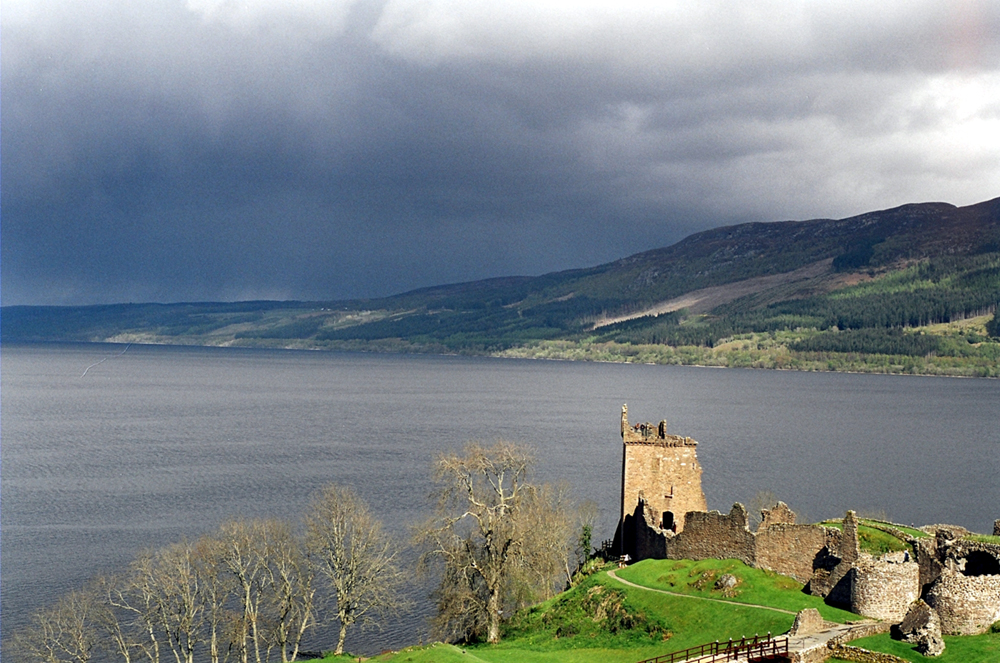
The Loch Ness Monster, popularly called "Nessie," is a legendary creature said to inhabit Loch Ness in the Scottish Highlands. Reports range from brief eyewitness sightings to photographs, sonar contacts and speculative scientific surveys. The story has attracted amateur and professional investigation, and it has become one of the best known modern legends in Europe. Interest in Nessie also helped popularise the field of cryptozoology, which studies animals whose existence has not been demonstrated by mainstream science.
Image gallery
7 Images



Typical descriptions and proposed identities
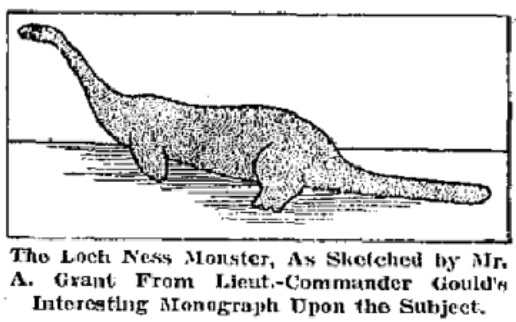
Accounts differ, but many describe a large, elongated creature with one or more humps, a long neck and a small head, or alternatively a serpentine body. These features led some enthusiasts to suggest a resemblance to a marine reptile such as a plesiosaur, an extinct animal often invoked in popular explanations. Other suggested identities include very large fish or eel-like animals, groups of animals seen in line, floating logs or wave patterns. Proposals referring to prehistoric groups imply a reptile or other Mesozoic survivor, terms often connected to the reptile and Mesozoic vocabulary, but such claims face significant biological and ecological challenges.
History and investigations
Stories of unusual water beasts in the area appear in regional tradition and later written accounts. Modern popular interest increased in the early 20th century after a series of reported sightings and widely circulated images. Some famous photographs attracted international attention but were later attributed to hoaxes or misidentification. Over decades, investigators have used surface photography, underwater sonar, long‑term monitoring and, more recently, environmental DNA sampling to search for evidence.
Scientific evidence and explanations
Mainstream scientists do not accept the existence of a large unknown animal in Loch Ness without physical evidence such as bones or remains. Explanations for sightings and traces commonly include:
- Mistaken identification of known wildlife or floating debris (birds, otters, deer, driftwood).
- Large eel populations or unusual behaviour among fish; surveys have detected considerable eel DNA and other common species in the loch, though not evidence of a large, unknown predator.
- Optical illusions, refraction, wave wakes and seismic or wind-driven surface effects.
- Deliberate hoaxes, altered images and biased interpretation influenced by expectation.
Biological arguments against a sizable, reproducing population include limited food resources in a freshwater loch, the difficulty of an isolated large population remaining undetected, and the absence of physical remains. Attempts to detect an unknown large animal have produced intriguing but non‑conclusive signals, and no verifiable specimen has been produced.
Cultural impact and tourism
Nessie is a persistent element of Scottish folklore and a significant tourist attraction for the area around Loch Ness. The legend has inspired books, films, museum exhibits and commercial enterprises. Visitors are drawn by the combination of natural scenery, mystery and local storytelling; local museums and information centres present historical accounts, critical examinations and displays related to sightings and searches. The story also offers a case study in how media, economy and cultural expectation shape reports of anomalous phenomena.
Context and further topics
Those interested in learning more can explore the loch’s physical character and ecology, including its depth and volume as factors in how objects and waves appear on the surface (loch size and depth); the history and methods of cryptozoology; the paleontology of groups sometimes invoked in explanations (for example, the anatomy and life habits of plesiosaurs); and general terms related to aquatic life such as diet (diet), aquatic adaptations (aquatic) and reptilian biology (reptile). Cautious, evidence‑based reading emphasises that extraordinary claims require extraordinary evidence, and that a mix of natural phenomena, human psychology and cultural context best explains the Loch Ness phenomenon.
Questions and answers
Q: What is the Loch Ness Monster?
A: The Loch Ness Monster is a supposed animal said to live in the Scottish loch of Loch Ness.
Q: What is the other name for the Loch Ness Monster?
A: The other name for the Loch Ness Monster is Nessie.
Q: Is the Loch Ness Monster real?
A: Most scientists believe that the Loch Ness Monster is not real and many sightings are either hoaxes or pictures of other mistaken existing animals.
Q: What is cryptozoology?
A: Cryptozoology is the study of animals whose existence is not yet proven and not recognized by science.
Q: What extinct animal is believed to be the Loch Ness Monster?
A: A popular theory among believers is that the Loch Ness Monster is a plesiosaur, an extinct meat-eating aquatic reptile that lived in the Mesozoic era.
Q: What are some other animals the Loch Ness Monster has been described as?
A: The Loch Ness Monster has also been described as an elephant, an eel, and other animals.
Q: What is Loch Ness?
A: Loch Ness is the second biggest loch in Scotland where the Loch Ness Monster is said to live.
Related articles
Author
AlegsaOnline.com Loch Ness Monster (Nessie): accounts, investigations and cultural impact Leandro Alegsa
URL: https://en.alegsaonline.com/art/58756
Sources
- news.google.com : “Researchers: Loch Ness photo a fake”
- museumofhoaxes.com : "The Surgeon's photo"
- pbs.org : "The Beast of Loch Ness | Birth of a Legend (3)"
- museumofhoaxes.com : "The Loch Ness Monster and the surgeon's photo"
- unmuseum.org : "Loch Ness Hoax Photo"