
Momus — Greek personification of blame, satire, and faultfinding
Momus is the ancient Greek spirit of blame and mockery, a minor deity known for criticizing gods and mortals. He appears in classical lists of Nyx's children and influenced later satire and literary criticism.
Overview
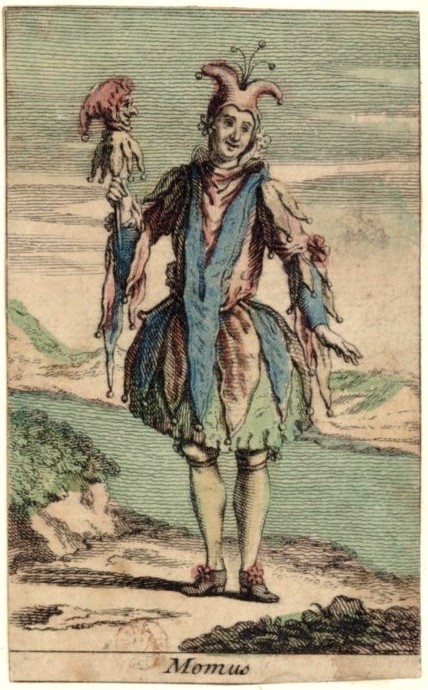
Momus is the mythological personification of blame, censure and sarcastic mockery in ancient Greek tradition. Often described as a minor deity, he embodies the spirit of faultfinding and cynical commentary rather than constructive judgment. References to him appear in classical lists and later literary works from antiquity through the Renaissance.
Image gallery
2 Images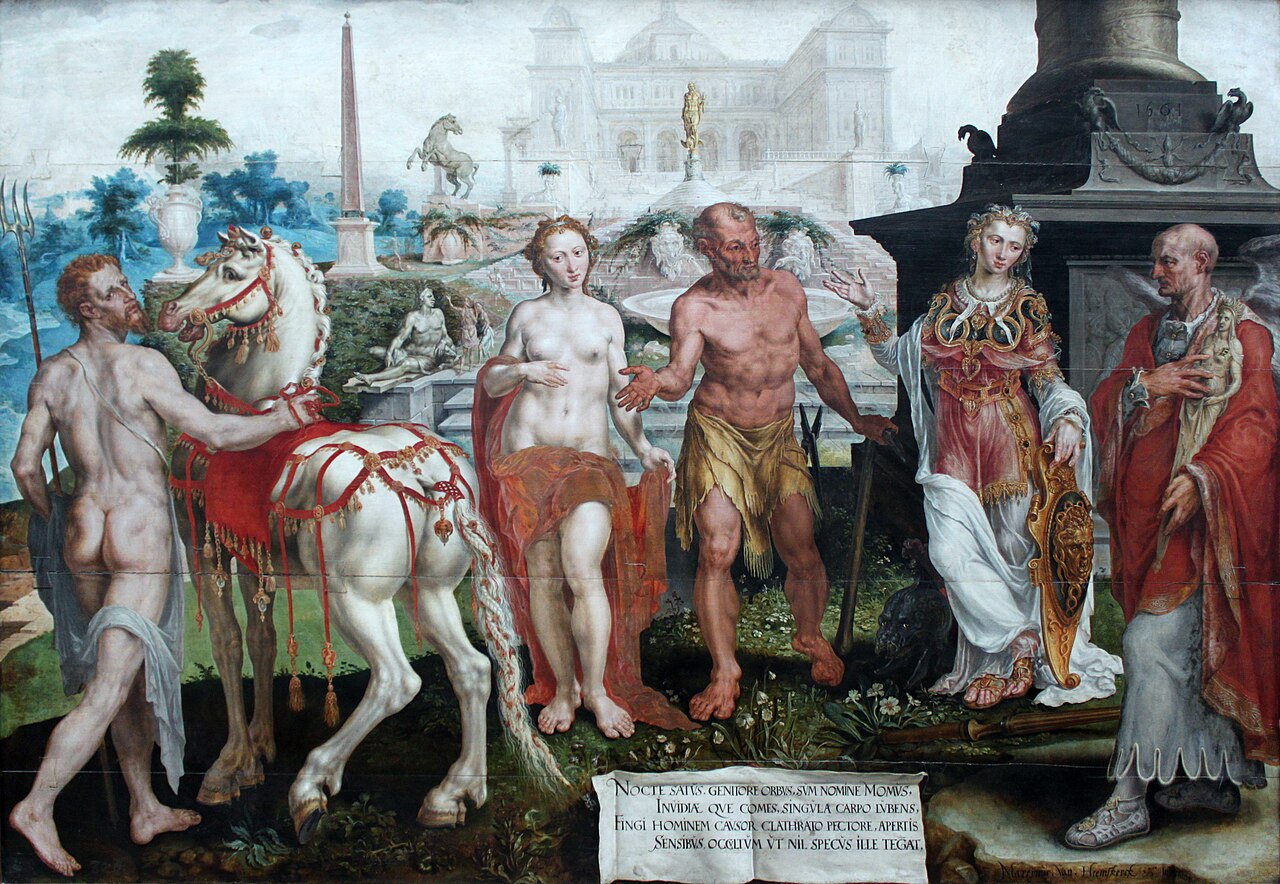
Origins and family
In genealogies preserved by early Greek poets, Momus is counted among the children of Nyx, the primordial Night, often without a recorded father. He belongs to a group of abstract personifications associated with night and misfortune. His connection to the wider world of Greek mythology is primarily symbolic: he represents an attitude or social function rather than a major cult figure.
Character and role
Momus is portrayed as an unrelenting critic who finds fault with gods and mortals alike. Ancient anecdotes emphasize his literalizing and pedantic style: he criticizes the workmanship of craftsmen, the plans of housebuilders, and even the choices of other gods. Because his remarks are unyielding and often corrosive, tradition says he was expelled from Olympus for insulting the divine order, notably directing barbed remarks at Zeus and Aphrodite.
Notable stories
- One common anecdote describes Momus criticizing a man's house because it lacked a window through which to inspect the interior—an illustration of useless faultfinding.
- Other tales record his removal from the divine assembly after repeated, public ridicules of higher gods; these stories emphasize social limits on satire.
Legacy and cultural influence
Although never a major cult figure, Momus became a convenient emblem for satire and critical writers. Classical and later authors used his name to personify the satirical voice that questions taste, governance, or artistic choices. In modern discussions his name survives as an adjective and reference for mordant, often unconstructive criticism.
Further reading
Students of classical literature encounter Momus in genealogical lists and anecdotal stories; for surveys and translations consult general works on classical sources and collections of mythological personifications. Scholarly studies examine how figures like Momus reflect ancient attitudes toward social criticism and humor.
Related articles
Author
AlegsaOnline.com Momus — Greek personification of blame, satire, and faultfinding Leandro Alegsa
URL: https://en.alegsaonline.com/art/65924