
Molly Pitcher — Revolutionary War legend, origins, and legacy
Molly Pitcher is a popular name for women who carried water and sometimes manned artillery during the American Revolution. The figure blends folklore and documented actions by several women.
Molly Pitcher is a familiar name in American Revolutionary War lore used to describe a woman who brought pitchers of water to soldiers and, in some versions, took over firing a cannon after a gunner was wounded. The image — a woman carrying water across hot, dusty battlefields and then stepping into combat — has endured in popular culture as an emblem of women's direct contributions in wartime.
Image gallery
5 Images

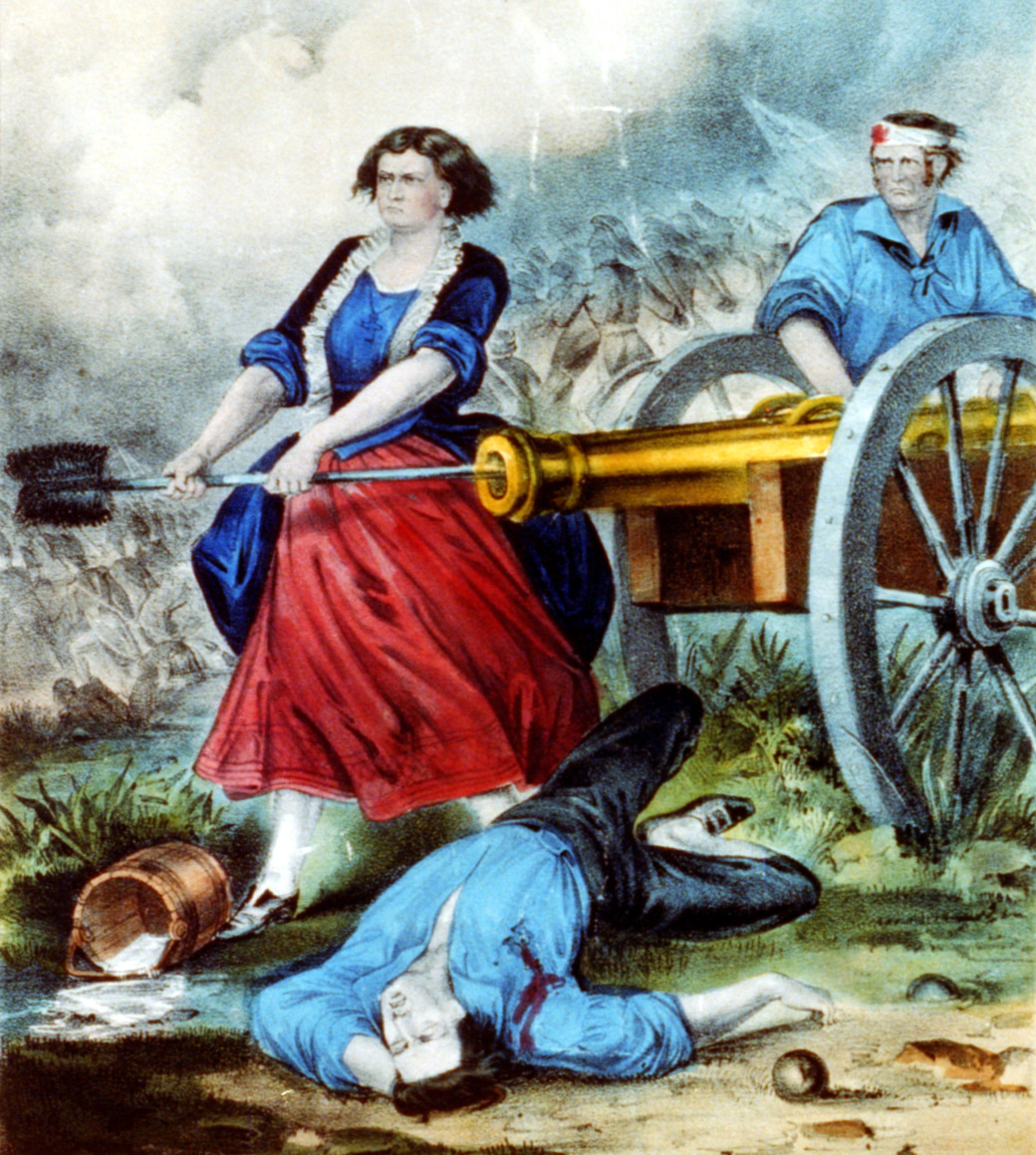


Origins and historical context
Historians generally treat "Molly Pitcher" as a nickname or collective label rather than a single, clearly identifiable person. Contemporary period language used "Molly" as a generic name for women, and "pitcher" referred to the vessels used to carry water. Bringing water was an ordinary but essential task in summer campaigns: it cooled artillery, refreshed soldiers, and helped treat the wounded. Accounts from several engagements described women near the lines performing these duties, and over time some of those incidents merged into the Molly Pitcher story.
Notable historical candidates
- Mary Ludwig Hays — Often associated with the Battle of Monmouth (June 1778). Later accounts credit her with taking her husband's artillery post after he fell and continuing to serve the gun crew.
- Margaret Corbin — Wounded while manning a cannon during the defense of Fort Washington (1776); she later received a military pension, an uncommon recognition that links her to the broader Molly Pitcher tradition.
- Other women and camp followers — Multiple anonymous women carried water and aided artillery crews in different battles; collective memories of these actions helped shape the legend.
Primary and later sources differ in specifics. Readers can consult period letters, pension records, and later popular histories for variant accounts: see primary collections and scholarly summaries such as historical overviews. The use of the name is discussed in studies that consider how popular memory forms: on names and nicknames.
For practical background about why pitchers of water were needed at artillery positions, see material on camp life and logistics: camp and artillery routines. For a discussion of how the narrative developed in prints and memorials, see memory and monuments.
Legacy and interpretation
Whether or not a single woman named Molly Pitcher existed, the figure remains important culturally. She symbolizes women's often overlooked labor and occasional direct combat roles during the Revolutionary era. Museums, battlefield parks, monuments, and school stories use the image to illustrate civilian support, family involvement, and the blurred lines between noncombatant and combatant roles in 18th-century war. Modern historians typically treat the story as a mixture of documented acts by named women and subsequent embellishment that served patriotic and didactic purposes.
Approaching Molly Pitcher with both appreciation and critical caution helps preserve the story's power while acknowledging the complexities of historical evidence: it is useful as a window into social history and the ways communities remember the past.
Questions and answers
Q: Who is Molly Pitcher?
A: Molly Pitcher is a famous legend in the Revolutionary War who brought pitchers of water to men working a cannon and fired the cannon herself when one of the men fell down.
Q: Did a real person named "Molly Pitcher" exist in the Revolutionary War?
A: Historians do not think there was a real person named "Molly Pitcher" in the Revolutionary War.
Q: What do historians think about the story of Molly Pitcher?
A: Historians agree that Molly Pitcher was a nickname and that the story of Molly Pitcher may have come from more than one real woman who fired a cannon.
Q: Why did soldiers ask for a pitcher of water during the battles?
A: Soldiers would ask for a pitcher of water to drink or to cool the cannons, especially during battles fought on hot days.
Q: Was Molly a common woman's nickname during the Revolutionary War?
A: Yes, Molly was a common woman's nickname at the time of the Revolutionary War.
Q: What was Molly Pitcher known for during the Revolutionary War?
A: Molly Pitcher was known for her bravery and for firing a cannon herself when one of the men fell down during battle.
Q: What is the significance of the story of Molly Pitcher in American history?
A: The story of Molly Pitcher represents the bravery of women during the Revolutionary War and continues to be an inspiration for women in American history.
Related articles
Author
AlegsaOnline.com Molly Pitcher — Revolutionary War legend, origins, and legacy Leandro Alegsa
URL: https://en.alegsaonline.com/art/65893
Sources
- revolutionary-war.net : "Molly Pitcher"
- archives.gov : "Will the Real Molly Pitcher Please Stand Up?"
- saa.org : "The Battle of Monmouth: The Archaeology of Molly Pitcher, the Royal Highlanders, and Colonel Cilley's Light Infantry"
- history.org : "Primary Source of the Month"
- socialstudies.org : "Roles of Women in the American Revolution and the Civil War"