
Morgan le Fay: Arthurian Enchantress and Literary Figure
Morgan le Fay, also Morgaine or Morgana, is a prominent figure of Arthurian legend: a skilled sorceress whose portrayal ranges from healer and ruler of Avalon to a hostile antagonist in medieval and modern retellings.
Overview
Morgan le Fay is a central, often ambiguous figure in the body of Arthurian stories. Described variously as a sorceress, fairy, ruler of an otherworldly Isle, and Arthur's half‑sister, she appears in medieval romances and in many modern adaptations. Her role shifts between healer and adversary depending on the author and period. For general introductions see further reading.
Image gallery
10 Images

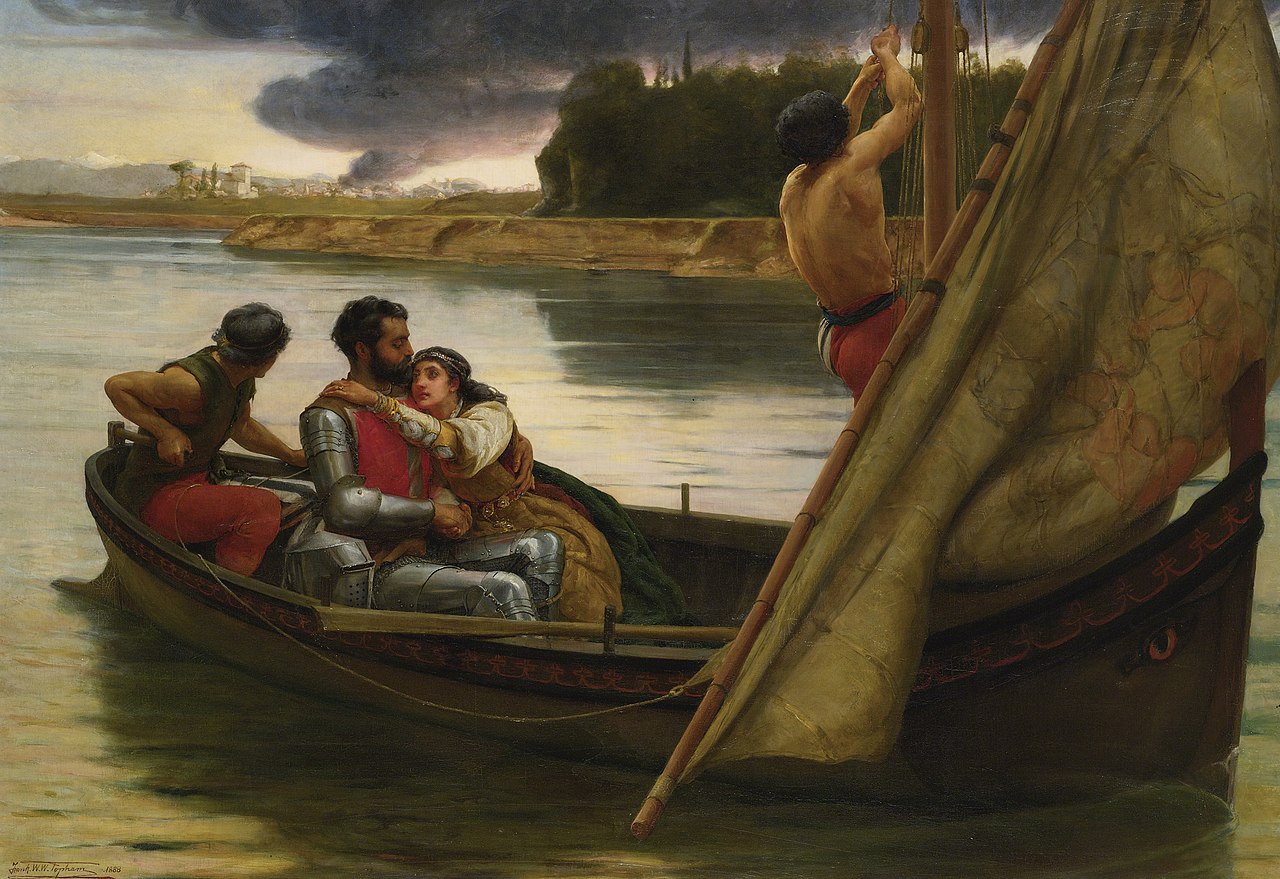


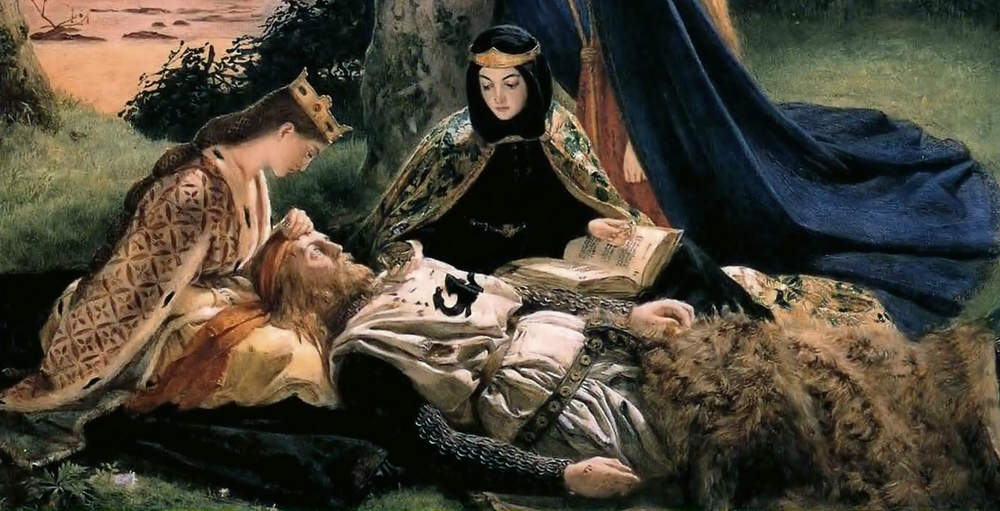
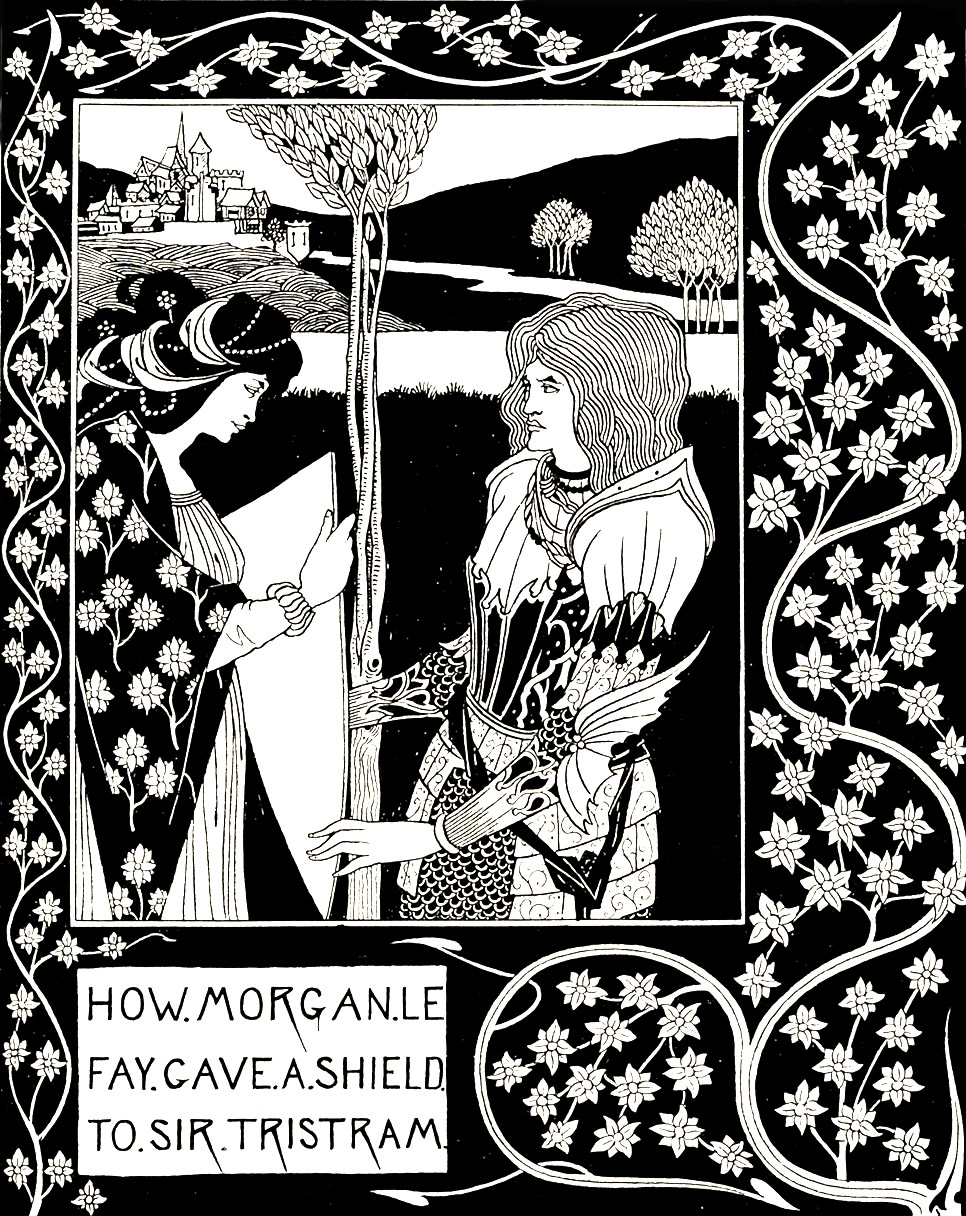

Names and origins
Her name appears in a variety of forms: Morgan, Morgaine, Morgana and the French epithet le Fay or la fée (the fairy). Scholars trace elements of her character to Celtic and early Welsh traditions and to the medieval imagination that merged native myth with continental romance. The precise origin and meaning of the name have been subjects of study; for summaries consult scholarly summaries.
Literary development
Early Latin and Old French texts present Morgan as a powerful supernatural woman associated with Avalon. Later medieval writers, notably in English and French cycles, expanded her appearance: in some texts she heals and guides Arthur, in others she conspires against him. Thomas Malory and subsequent storytellers gave her distinct narrative roles that influenced future portrayals. Overviews of her changing depiction are available at specialist resources.
Characteristics and powers
Morgan is repeatedly portrayed as skilled in magic, enchantment, and the arts of healing. She is often associated with islands or otherworldly havens, the keeping of secret lore, and the ability to shape fate for knights and kings. Some traditions emphasize her role as queen or priestess in an otherworldly court; others emphasize rivalry and political ambition. For comparative accounts see comparative notes.
Legacy and modern interpretations
From medieval romances to contemporary novels, film, and games, Morgan le Fay has been reimagined in many ways: sympathetic matriarch, tragic exile, political schemer, or elemental fae. Notable modern retellings explore her point of view and revise earlier villainy into complex motivation. Popular culture adaptations and analyses can be found through cultural guides.
Notable facts and distinctions
- Morgan's character is inconsistent across sources—sometimes a healer, sometimes an enemy of Arthur.
- The epithet "le Fay" reflects medieval French influence and the idea of a fairy or otherworldly being.
- Some later fictional works alter family relationships (for example, making her mother of Mordred) or invent episodes not present in earlier texts; such changes are products of later storytelling rather than uniform tradition.
- For introductions to primary and secondary sources, see library guides.
Because Morgan le Fay is a composite figure created across centuries of storytelling, clear distinctions between original medieval traditions and later reinterpretations are important when studying her legend.
Related articles
Author
AlegsaOnline.com Morgan le Fay: Arthurian Enchantress and Literary Figure Leandro Alegsa
URL: https://en.alegsaonline.com/art/66675
Sources
- ancient-origins.net : "The Bewitching Tale of Morgan le Fay, a Captivating Character of Arthurian Legend"