
Ashkenazi Jews: Origins, Culture, Language, and Historical Impact
Overview of Ashkenazi Jews: their origins in Europe, language and religious traditions, historical migrations, cultural contributions, effects of the Holocaust, and modern demographics.
Overview
Ashkenazi Jews (often called Ashkenazim) are a major Jewish ethnoreligious group whose cultural roots lie in Central and Eastern Europe. The term historically described Jews who followed the religious customs and liturgical rites that developed in medieval German-speaking lands and later across Poland, Lithuania, Russia and neighboring areas. Over centuries Ashkenazi communities developed distinctive religious practices, a vernacular language (Yiddish), culinary traditions, and communal institutions that set them apart from other Jewish traditions such as the Sephardi and Mizrahi communities.
Image gallery
10 Images


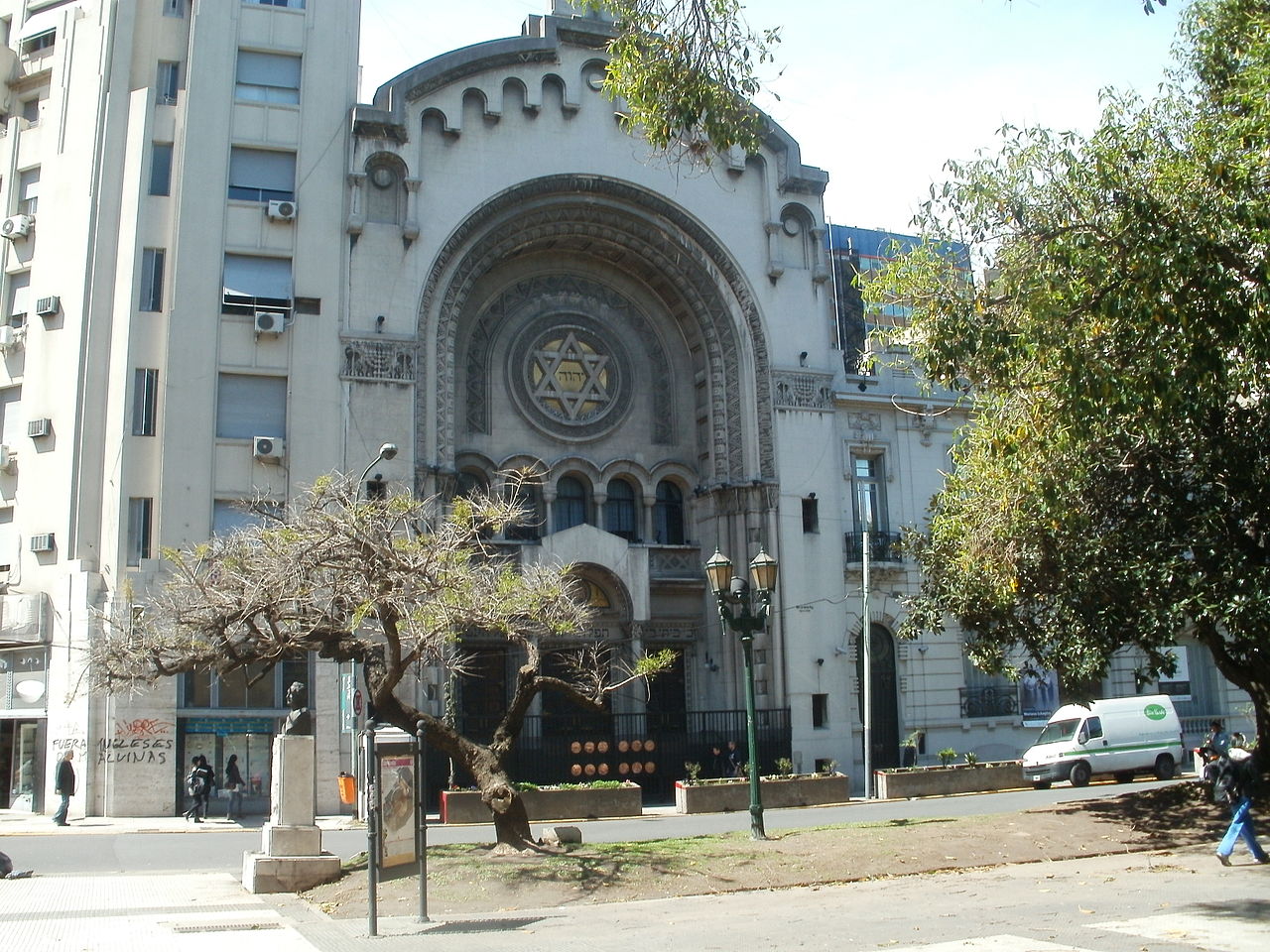


Origins and migrations
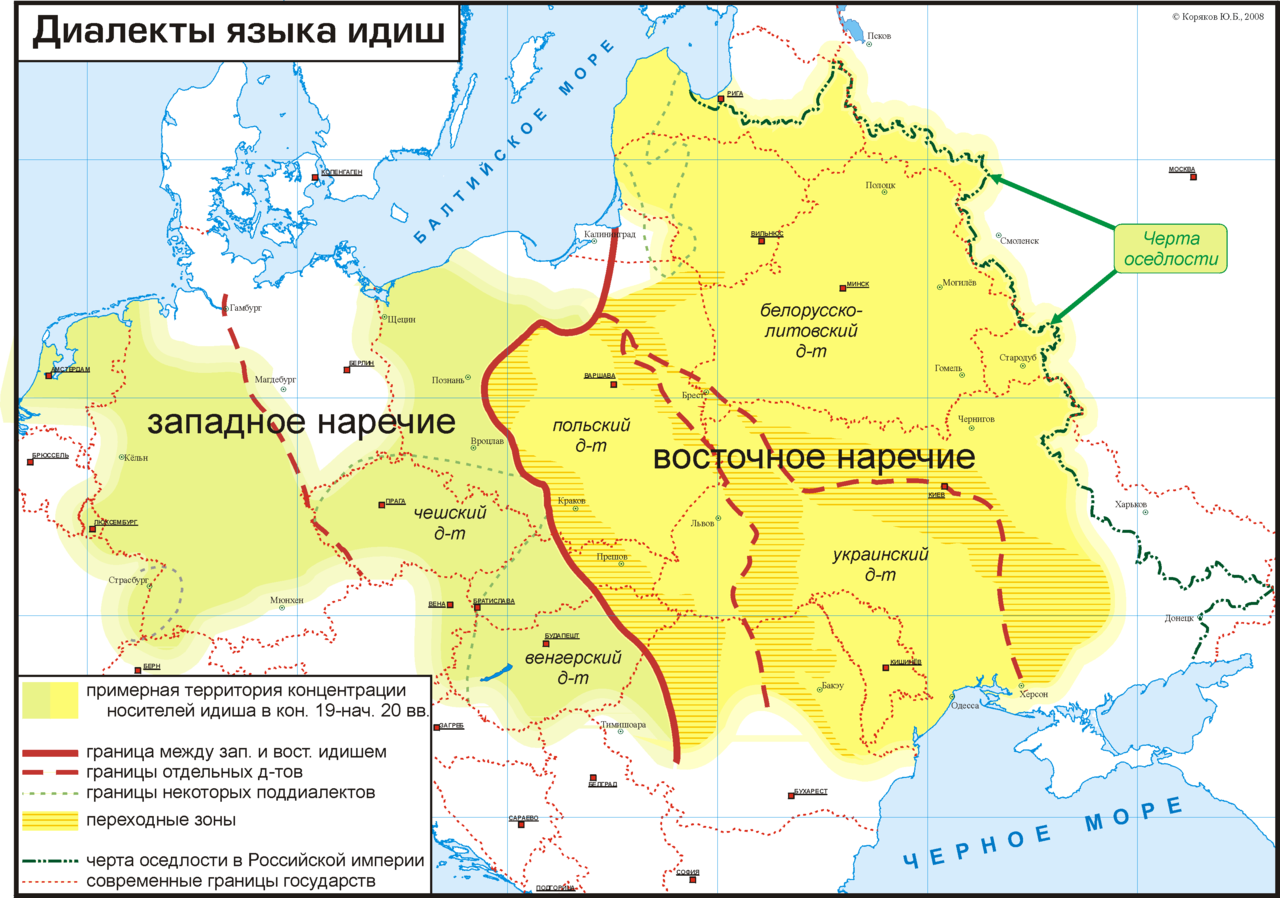
Scholars trace the early presence of Jews in parts of Western Europe, including Italy, France and the Rhineland, from late antiquity and the early Middle Ages. From those centers, Jewish communities spread into the German lands where a distinct Ashkenazic culture emerged. Recurrent persecutions, expulsions and shifting economic opportunities prompted many Ashkenazi Jews to migrate eastward beginning in the late medieval period, settling in the Polish-Lithuanian Commonwealth and other parts of Eastern Europe. There they established large, vibrant communities that persisted until the upheavals of the 20th century.
Language, religion, and internal characteristics
A key marker of Ashkenazi identity is Yiddish, a Germanic-derived Jewish vernacular that incorporates Hebrew, Aramaic and Slavic elements and was written in the Hebrew alphabet. Religious life was shaped by medieval rabbinic authorities and local customs; the Ashkenazic rite (minhag Ashkenaz) differs in liturgy, pronunciation and some halakhic (Jewish legal) customs from Sephardic rites. Over time Ashkenazi communities developed unique educational frameworks, patterns of scholarship (notably Talmudic study), and styles of synagogue music and folk practice.
Culture, contributions, and daily life
Ashkenazi culture has produced notable achievements in religion, literature, music, science and public life. Jewish communal structures such as kehillot (communal councils), yeshivot (religious academies) and charitable organizations were central to social life. Culinary specialties commonly associated with Ashkenazi cuisine include challah, gefilte fish, kugel and matzah ball soup, reflecting local ingredients and ritual needs. In the modern era many Ashkenazi Jews have been influential in arts, academics, and politics both in Europe and the diaspora.
20th century upheaval and modern demographics
The Holocaust devastated Ashkenazi communities across Europe, destroying large centers of population and interrupting the transmission of communal life and Yiddish culture. After World War II survivors dispersed widely, rebuilding communities in Israel, North America, South America and elsewhere. Today a substantial portion of world Jewry traces ancestry to Ashkenazi forebears; estimates vary, but Ashkenazi heritage represents a significant share of global Jewish population. Contemporary issues include the preservation of Yiddish and religious traditions, the study of historical memory, and genetic and genealogical research into Ashkenazi origins.
Distinctions and notable facts
In Jewish communal classification, Ashkenazi refers primarily to those with Central and Eastern European heritage and the associated rites and customs. This differs from Sephardi Jews, whose traditions developed in Iberia and the Mediterranean, and from various Mizrahi communities of the Middle East and North Africa. Modern scholarship also examines internal diversity among Ashkenazi communities, including regional differences, social strata, and religious movements such as Hasidism and Mitnagdim that arose in Eastern Europe.
Further reading and resources
- Overview of Jewish history
- Jewish communities in Europe
- Rhineland Jewish history
- Medieval France and Jews
- Poland and Jewish life
- Lithuanian Jewish communities
- Eastern European Jewish history
- Historical timelines
- Persecution and migration
- Jewish settlement in Western Europe
- Ancient Jewish diaspora
- Medieval pogroms and expulsions
- Yiddish language and literature
- Sephardi traditions
- German Jewish rites
- Spanish Jewish heritage
- Ladino and Judeo-Spanish
- Cultural differences among Jews
- Pronunciation and liturgy variations
- The Holocaust and its impact
- Jewish life in Israel
- Jewish diaspora in Canada
- Jewish communities in Argentina
- Jewish migration to Australia
- Jewish presence in the United States
- Political influence of Jewish communities
- Notable individuals of Ashkenazi background
- Contributions to music and arts
- Cultural figures and composers
- Literary figures of Ashkenazi origin
Note: This article offers a concise synthesis of broadly accepted information about Ashkenazi Jews. For detailed study consult specialized histories, linguistic research on Yiddish, and works on modern Jewish demography and the Holocaust.
Related articles
Author
AlegsaOnline.com Ashkenazi Jews: Origins, Culture, Language, and Historical Impact Leandro Alegsa
URL: https://en.alegsaonline.com/art/6559
Sources
- hugr.huji.ac.il : "Ashkenazi Jews"
- jhu.edu : "First genetic mutation for colorectal cancer identified in Ashkenazi Jews"
- ima.org.il : "Do Ashkenazi Jews have a Higher than expected Cancer Burden? Implications for cancer control prioritization efforts"
- cbs.gov.il : "Table 2.24 – Jews, by country of origin and age"
- ethnologue.com : "Yiddish"
- evolutsioon.ut.ee : "Reconstruction of Patrilineages and Matrilineages of Samaritans and Other Israeli Populations From Y-Chromosome and Mitochondrial DNA Sequence Variation" · web.archive.org
- sciencedaily.com : "Jews Are The Genetic Brothers Of Palestinians, Syrians, And Lebanese"
- haaretz.com : "Study Finds Close Genetic Connection Between Jews, Kurds"
- nytimes.com : "Studies Show Jews' Genetic Similarity"
- ucl.ac.uk : "High-resolution Y chromosome haplotypes of Israeli and Palestinian Arabs reveal geographic substructure and substantial overlap with haplotypes of Jews"
- ashg.org : "Banda et al. "Admixture Estimation in a Founder Population". Am Soc Hum Genet, 2013"
- pnas.org : "Signatures of founder effects, admixture, and selection in the Ashkenazi Jewish population"
- ui.adsabs.harvard.edu : 2010PNAS..10716222B