
Minoan Civilization of Bronze Age Crete
Ancient Bronze Age culture centered on Crete (c. 3000–1450 BC), noted for palace complexes, maritime trade, vibrant frescoes, goddess-centered religion, early writings (Linear A) and influence across the Mediterranean.
Overview
The Minoan civilization developed on the island of Crete and takes its conventional name from the legendary ruler Minos. Emerging in the early Bronze Age (Bronze Age period) around the third millennium BC, it reached its peak in the second millennium BC and remained a major cultural and economic presence until about 1450 BC. Minoan society is best known for complex palace centres, sophisticated craftsmanship and a strong maritime orientation.
Image gallery
10 Images




Characteristics and material culture
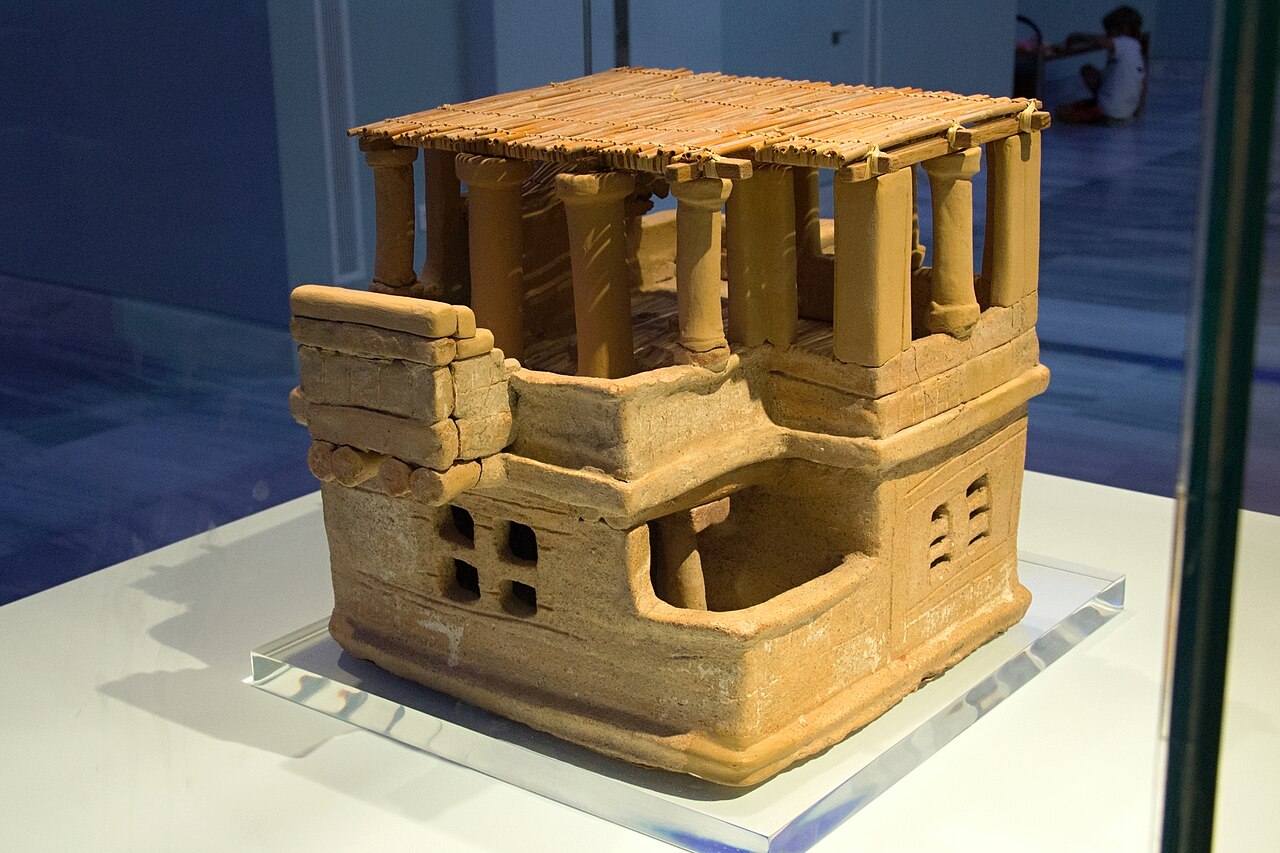
Minoan settlements often centred on large palace compounds that functioned as administrative, religious and storage hubs. These sites produced fine pottery, metalwork, colorful fresco painting and intricately carved seal stones. Agriculture supported the population, with olives and vines prominent in the economy; olive oil and wine appear frequently in scenes of daily life and in trade contexts associated with olives and grapes.
Religion, art and writing
Religious practice placed considerable emphasis on female deities and nature-associated rituals; iconography includes priestesses, goddess figures and animal motifs such as bulls. Public and domestic frescoes depict marine life, processions and sporting scenes like bull-leaping. Administratively, the culture used writing systems — most notably the still-undeciphered Linear A — for economic records and palace bureaucracy.
Trade, maritime power and influence
Minoans were active seafarers who traded across the eastern Mediterranean, connecting Crete with mainland Greece, Anatolia, Cyprus and Egypt. Goods exchanged included ceramics, metals, olive oil, wine and luxury items. Their sea routes and cultural contacts helped spread artistic styles and technical knowledge throughout the region.
Decline and legacy
After about 1450 BC the Minoan world underwent major change: many palace centres show destruction or restructuring and influence from mainland Greek societies grew. The archaeological record indicates that the Minoan cultural horizon was succeeded by the Mycenaean culture. Scholars debate causes for decline — including natural disasters, internal disruptions and external pressures — and the legacy of Minoan art, administration and maritime practice persisted in later Aegean cultures.
Notable facts
- Principal archaeological sites such as Knossos revealed multilevel palaces and extensive storage rooms.
- Distinctive Minoan features include vibrant wall frescoes, complex pottery styles and sealstone art.
- Excavations in the early 20th century brought the culture to broad public attention and stimulated modern study.
For further reading on specific sites, scripts and trade networks, follow archaeological overviews and specialist studies that examine the material remains and their interpretations in context.
Questions and answers
Q: What is the Minoan civilization?
A: The Minoan civilization was a civilization on Crete that existed in the Bronze Age between 3000 and 2700 BC, and it was named after Minos.
Q: How long did the Minoan civilization last?
A: The Minoan civilization lasted until around 1450 BC.
Q: What was the specialty of the Minoan civilization?
A: The Minoan civilization was known for its well-planned cities and sea trading.
Q: Which agricultural system did the Minoan civilization rely on?
A: The Minoan civilization relied mainly on olives and grapes for its agricultural system.
Q: What was the religion of the Minoan civilization?
A: The Minoan civilization worshipped mostly goddesses.
Q: What culture replaced the Minoan civilization?
A: The Mycenaean culture replaced the Minoan civilization.
Q: Which civilization was named after Minos?
A: The Minoan civilization was named after Minos.
Related articles
Author
AlegsaOnline.com Minoan Civilization of Bronze Age Crete Leandro Alegsa
URL: https://en.alegsaonline.com/art/65282
Sources
- commons.wikimedia.org : Minoan civilization
- historyforkids.org : historyforkids.org
- photo.pds.org : photo.pds.org
- academickids.com : academickids.com/encyclopedia/index.php/Minoan_civilization