
Middle Kingdom of Egypt: reunification, administration, and cultural renewal
The Middle Kingdom of ancient Egypt (c. 2030–1640 BC) marks a reunified state, administrative reform, artistic revival and overseas contacts, spanning the 11th to parts of the 13th–14th dynasties.
Overview
The Middle Kingdom is the era of ancient Egyptian history that followed the fragmentation of the First Intermediate Period and preceded the instability of the Second Intermediate Period. Traditionally dated to about 2030–1640 BC, it began with the rise of the Eleventh Dynasty at Thebes and continued through the powerful Twelfth Dynasty and remaining successor houses. It is often described as a period of political reunification, centralized administration and cultural renewal within ancient Egypt.
Image gallery
10 Images




Political development and administration
Reunification under rulers of Thebes ended regional rivalries and restored a stronger central state. Later kings of the Twelfth Dynasty, notably Amenemhat I and Senusret III, reorganized government, curtailed the autonomy of regional governors (nomarchs), and established a new political center near el-Lisht called Itjtawy. These reforms reinforced royal authority and created a durable bureaucratic system that managed taxation, land, and labor.
Economy, military and foreign relations
The Middle Kingdom economy combined agriculture on the Nile floodplain with expanding state-sponsored projects: irrigation works, quarrying, and mining in Sinai and Nubia. Egyptian rulers conducted military campaigns into Nubia to secure gold and trade routes, and maintained contacts with Levantine lands. Trade and diplomatic exchange increased, supporting craft production and state coffers.
Culture, literature, and religion
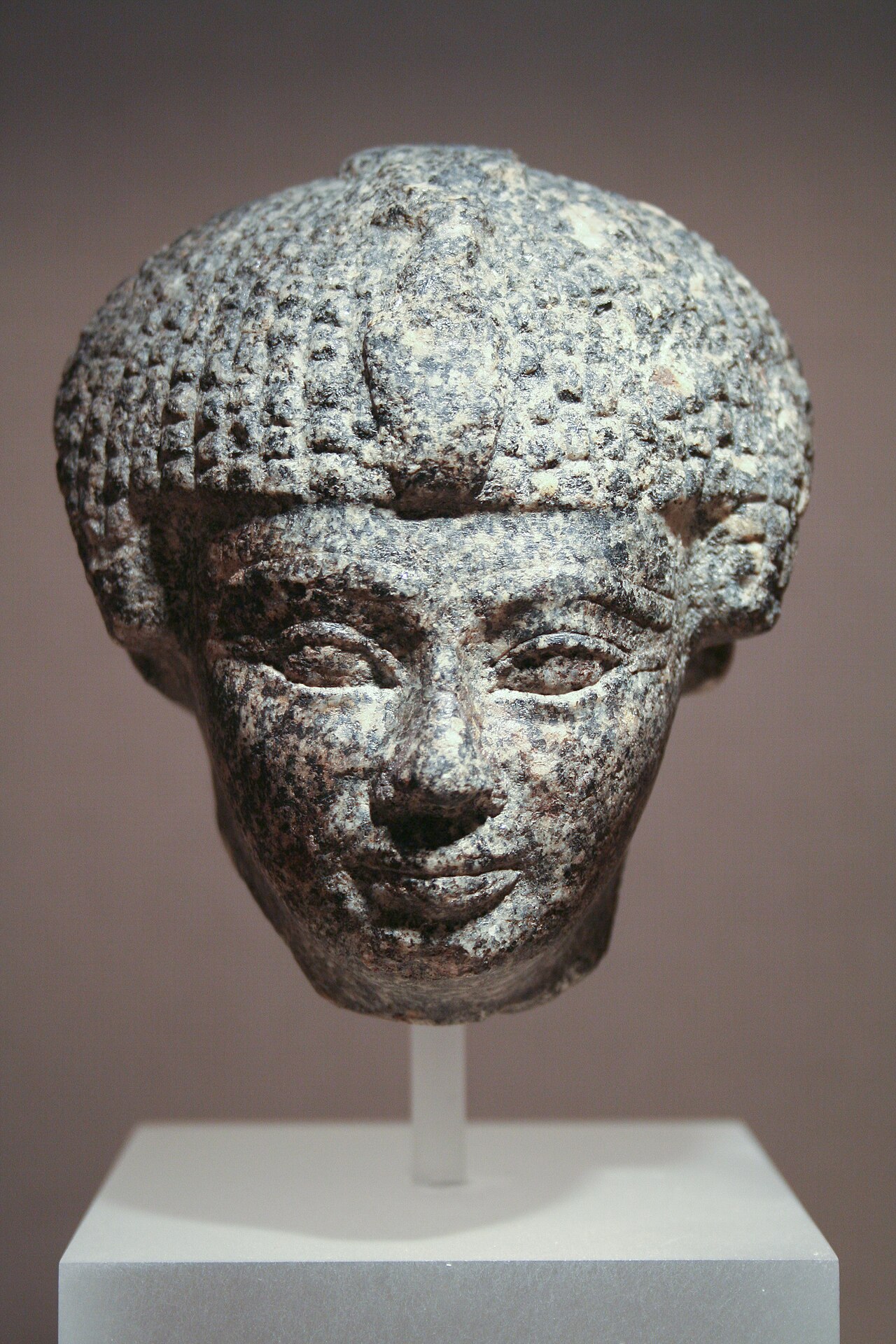
Culturally the era saw a flowering of literature and religious thought. Coffin texts became more widespread and new literary compositions—such as wisdom texts and narrative stories—reflect a mature scribal culture. Art and statuary became more naturalistic, and court-sponsored building programs included temples, forts, and funerary works that fused traditional forms with renewed technical skill.
Architecture and funerary practice
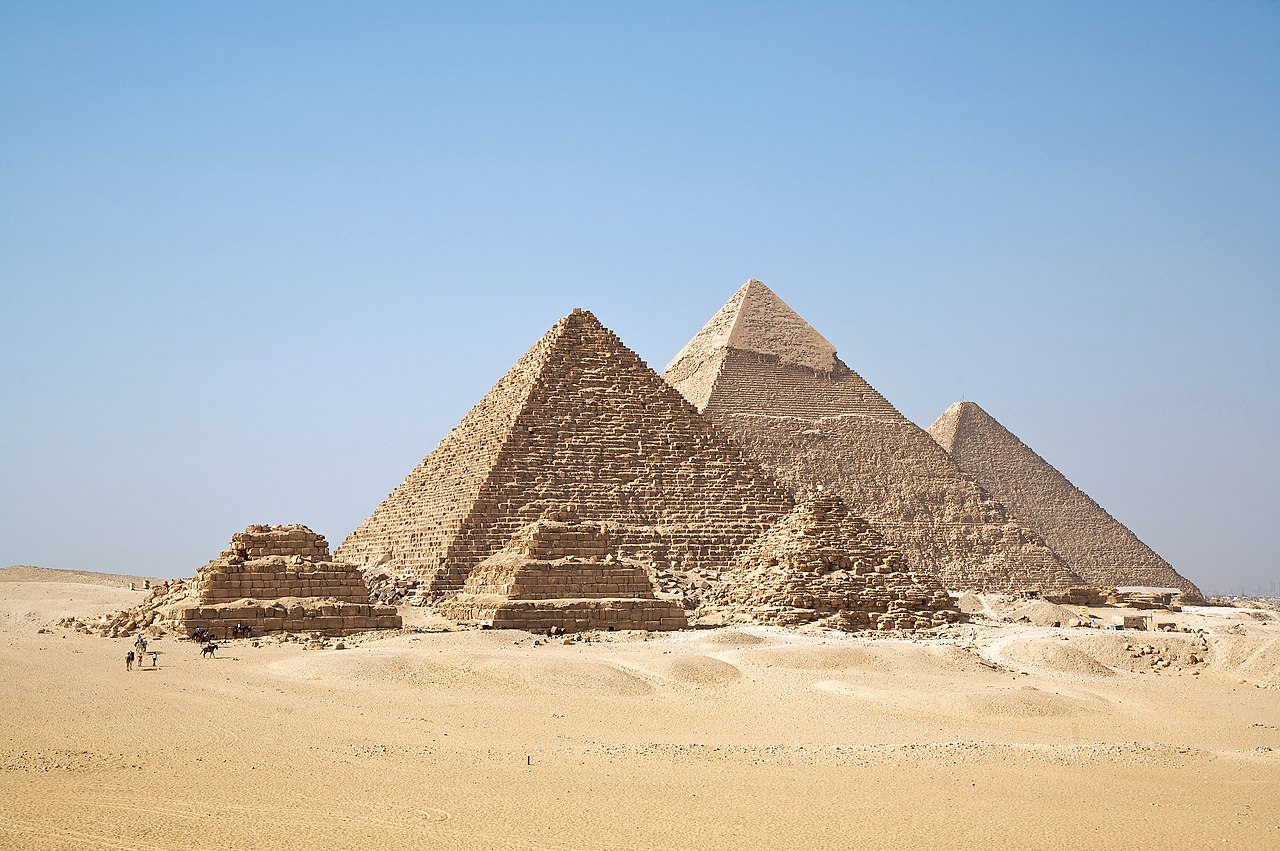
Pyramid construction continued but on a different scale and with altered design; royal tombs at el-Lisht and other sites emphasize complex mortuary temples and causeways. Tomb inscriptions and burial customs became more accessible to elites beyond the king, showing a wider religious outreach and new funerary genres.
Decline and legacy
After several centuries of stability the central authority weakened, regional powers reasserted themselves, and foreign groups in the northeast exploited the fragmentation, leading into the Second Intermediate Period. The Middle Kingdom's administrative models, literary achievements, and art deeply influenced later Egyptian civilization and remain key to understanding the evolution of pharaonic governance.
- Notable rulers: Mentuhotep II, Amenemhat I, Senusret III.
- Key features: reunification, bureaucratic centralization, literary production, Nubian campaigns.
Related articles
Author
AlegsaOnline.com Middle Kingdom of Egypt: reunification, administration, and cultural renewal Leandro Alegsa
URL: https://en.alegsaonline.com/art/64682