
William the Conqueror
William I (c.1027–1087), Duke of Normandy who became King of England in 1066; his conquest reorganized English landholding, government and culture and had long-lasting effects on medieval Britain.
William the Conqueror (c. 1027–1087), also known as William I of England, was a medieval ruler whose career connected northern France and England. Born into the Norman ducal house, he rose from a contested minority to become the leading military and political figure of his generation. As a Norman noble he consolidated power at home and abroad before claiming the English crown.
Image gallery
10 Images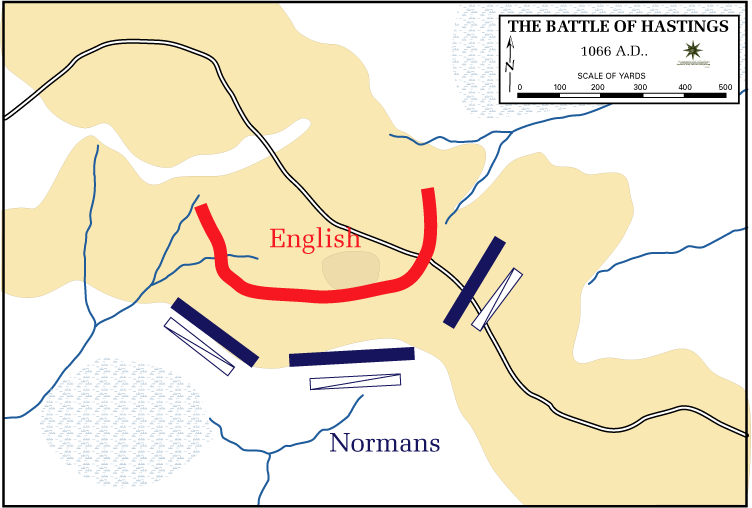





Early life and rise
William succeeded as Duke of Normandy as a child after the death of his father. His early years were marked by plots, rebellions and shifting alliances typical of 11th-century feudal politics. Despite this instability he strengthened ducal authority, secured important marriages and developed the military capacity that later enabled his expedition to England.
The conquest of England (1066)
After the death of Edward the Confessor in 1066, William claimed he had been promised the English throne and that rivals had broken oaths. He assembled a cross-Channel invasion force and defeated the Anglo-Saxon army at the pivotal Battle of Hastings. In that battle the English king Harold Godwinson was killed and William began the long process of establishing Norman rule, an event commemorated visually on the Bayeux Tapestry.
Reign and administration
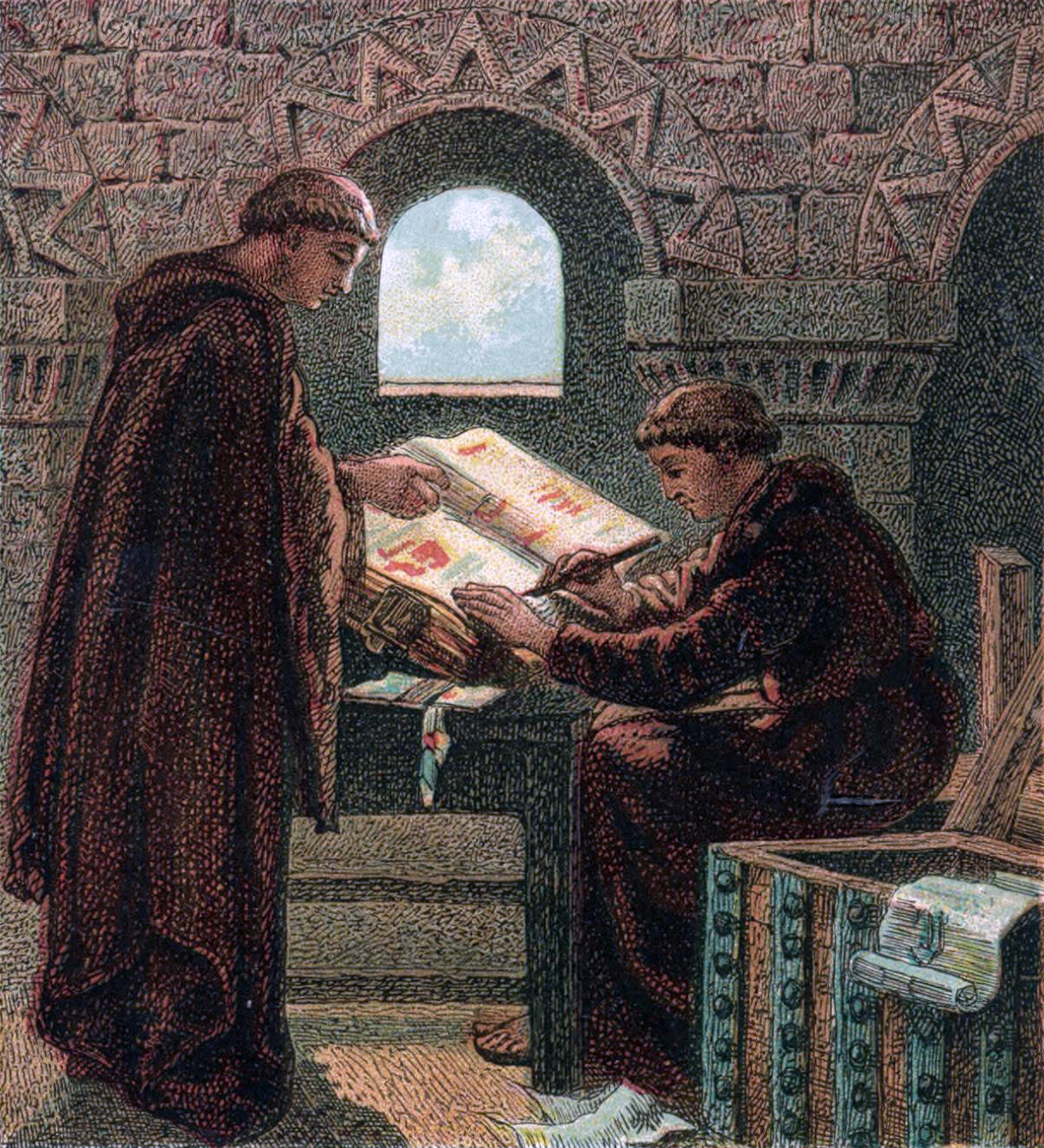
As king William instituted wide-ranging changes. He redistributed land to Norman followers, built numerous castles to secure control, and restructured the English elite. To assess resources and rights he commissioned a detailed survey, later known as the Domesday Book, and he reinforced royal authority over the church and local governance. These measures increased centralization and changed patterns of landholding and law.
Legacy and notable facts
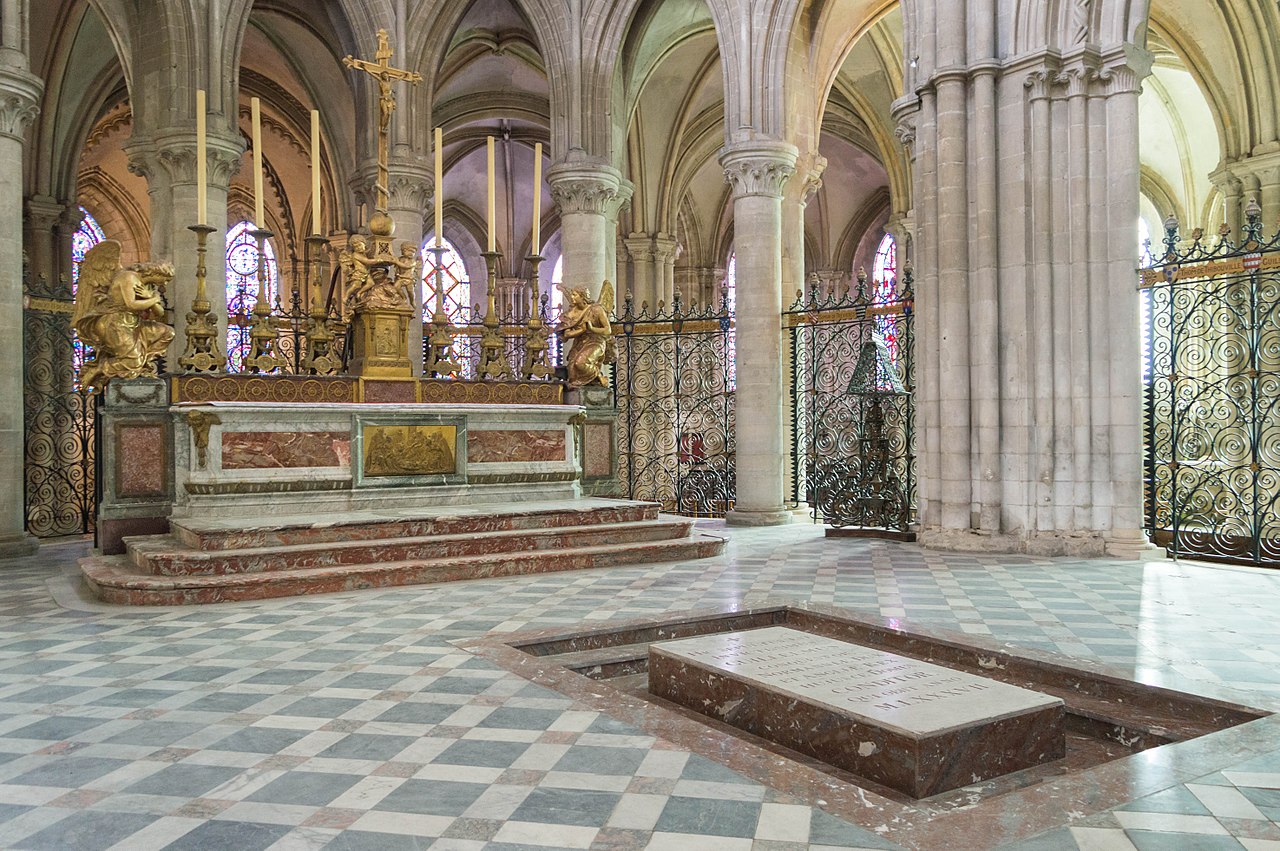
William's conquest had enduring consequences: it fused Anglo-Saxon and Norman institutions, introduced Norman French influence into the English language and transformed aristocratic culture. His descendants ruled England for generations and his castle-building and administrative reforms shaped medieval governance. William died in 1087 after campaign injuries and was buried in Caen; historians view his reign as a turning point in English and northern French history.
- Major events: succession as duke, 1066 invasion, coronation as king, Domesday survey.
- Key impacts: replacement of many Anglo-Saxon elites, castle network, legal and fiscal centralization.
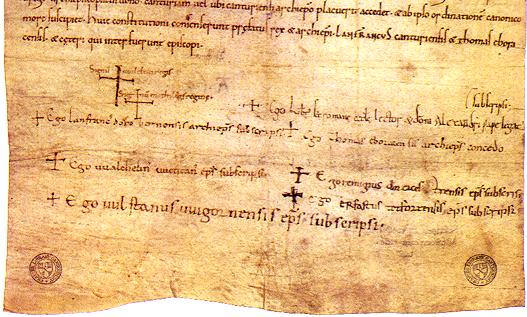
- Sources and memory: contemporary chronicles, legal records and visual works such as the Bayeux Tapestry.
Questions and answers
Q: Who was William the Conqueror?
A: William the Conqueror was a French statesman and warlord who was the first Norman King of England and the Duke of Normandy from 1035 until his death.
Q: What is William the Conqueror known for?
A: William the Conqueror is known for changing the course of both Norman and English history by defeating Harold Godwinson, the last Anglo-Saxon king of England, at the Battle of Hastings.
Q: When did William the Conqueror become the Duke of Normandy?
A: William the Conqueror became the Duke of Normandy in 1035, and held this position until his death.
Q: Who did William the Conqueror defeat at the Battle of Hastings?
A: William the Conqueror defeated Harold Godwinson, the last Anglo-Saxon king of England, at the Battle of Hastings.
Q: What is the Bayeux Tapestry?
A: The Bayeux Tapestry is an embroidered cloth that depicts the events leading up to the Norman Conquest of England, including the Battle of Hastings.
Q: How did William the Conqueror change English history?
A: William the Conqueror changed English history by becoming the first Norman King of England and introducing Norman rule and culture to the country, which had a lasting impact on English society.
Q: When did William the Conqueror die?
A: William the Conqueror died in 1087.
Author
AlegsaOnline.com William the Conqueror Leandro Alegsa
URL: https://en.alegsaonline.com/art/132993