
Ming dynasty (1368–1644): Chinese imperial dynasty and cultural era
The Ming dynasty ruled China from 1368 to 1644. Known for restored Han Chinese rule, a strong central bureaucracy, maritime voyages, the Forbidden City, and celebrated porcelain from Jingdezhen and Dehua.
Overview
The Ming dynasty was the imperial house whose rulers governed large parts of China after the fall of the Mongol-led Yuan regime. It began in 1368 and ended in 1644, a span often described as about 276 years in Chinese history. The sovereigns who reigned during this period are commonly called the Ming emperors.
Image gallery
10 Images



Political structure and society
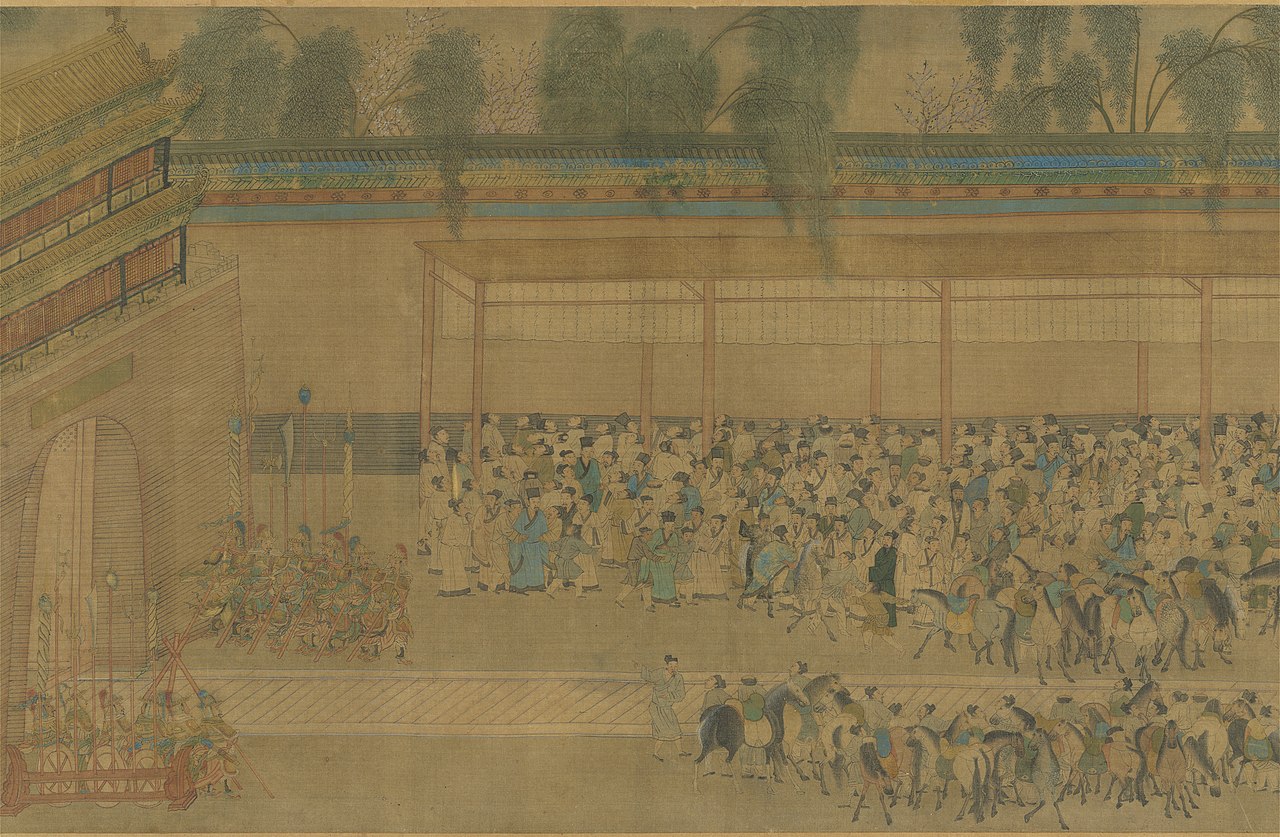
The Ming restored and reinforced a centralized bureaucracy based on Confucian principles and the civil service examination system. Provincial administrations, fiscal reforms, and military garrisons shaped governance. Court politics, the role of powerful eunuchs, and regional elite networks influenced policymaking and social order.
Economy and trade
Domestic commerce and craft production expanded, with growing markets in towns and cities. Agricultural output, artisan industries and internal canals supported economic life. Overseas trade increased, bringing foreign silver and new goods into circulation and connecting coastal ports to wider Asian and Indian Ocean networks.
Maritime voyages and major projects
The dynasty is noted for state-sponsored projects: construction and repairs of walls and fortifications, renovation of major waterways, and large maritime expeditions led by admiral-commanded fleets that reached parts of Southeast Asia, South Asia and East Africa. These voyages showcased Chinese shipbuilding and navigational capacity and promoted diplomatic and commercial exchange.
Culture, arts and material life
Ming culture produced important achievements in painting, literature, theatre and decorative arts. Ceramic production at imperial kilns became emblematic of the period: fine blue-and-white porcelain from the famous kilns at Jingdezhen and white-glazed ware associated with workshops in Fujian and the Dehua tradition (Dehua) were widely prized. Urban publishing, book collecting and literati culture also flourished.
Architecture and major monuments
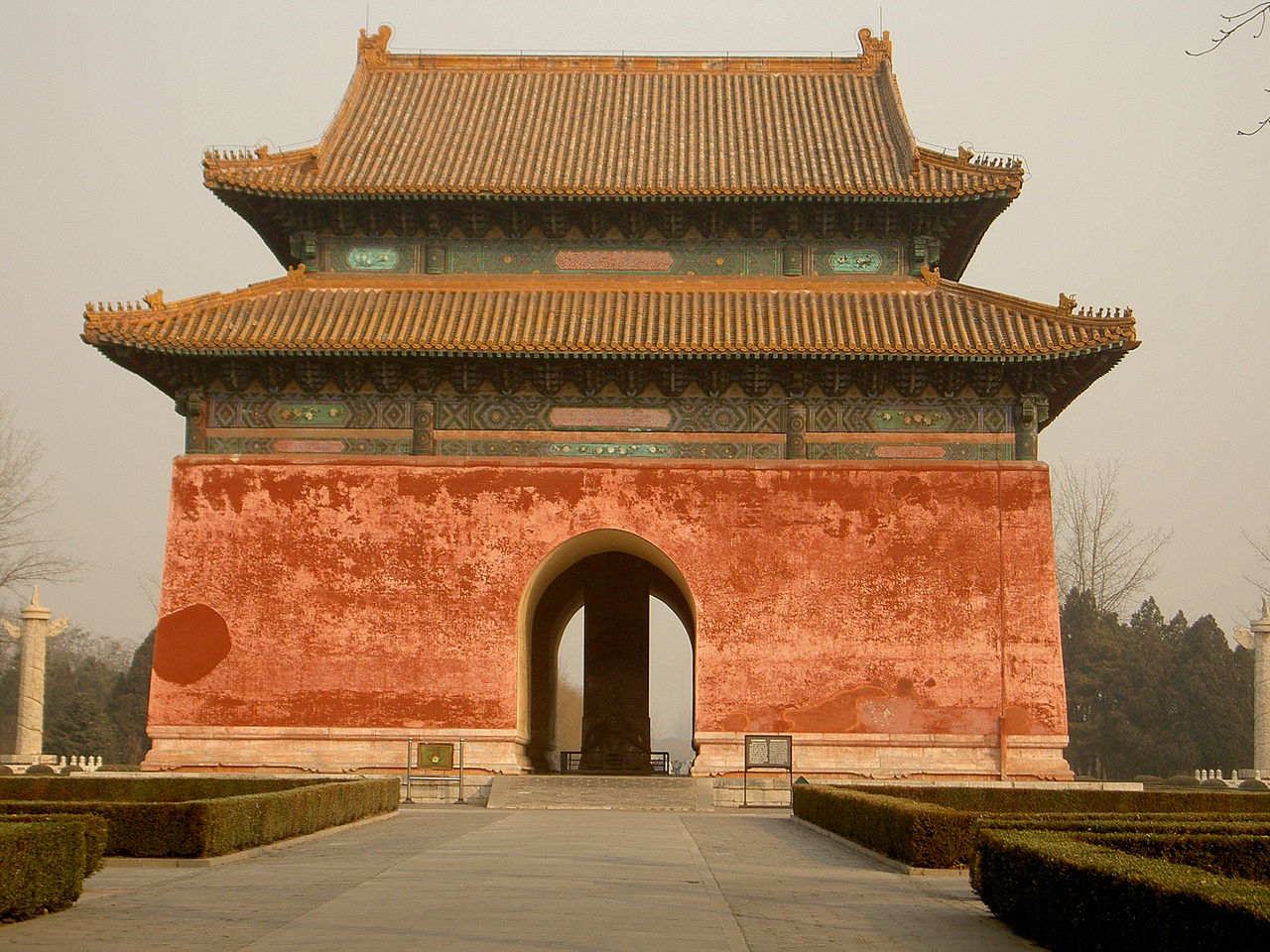
The Ming era left notable architectural legacies, including the completion and refinement of the imperial palace complex in Beijing and extensive urban and defensive works. These constructions reflected elaborate court rituals, administrative needs and aesthetic values that influenced later building practices.
Decline and legacy
In its later decades the Ming faced fiscal strain, peasant uprisings, military pressures and environmental stresses. A combination of internal rebellion and external intervention culminated in the dynasty's fall in 1644. Its institutions, artistic styles and material culture had a lasting effect on subsequent dynasties and on the broader history of East Asia.
Key features
- Centralized bureaucracy: revived civil service examinations and Confucian administration.
- Artistic achievement: major advances in porcelain, painting, literature and theatre.
- Maritime and infrastructural projects: long-distance voyages and large state construction works.
- Cultural legacy: lasting influence on architecture, urbanism and material culture across China and beyond.
Questions and answers
Q: What is the Ming dynasty?
A: The Ming dynasty was the family of emperors who ruled China from AD 1368 to 1644.
Q: How long did the Ming dynasty last in Chinese history?
A: The Ming dynasty lasted for 276 years in Chinese history.
Q: What other name is used to refer to the Ming dynasty?
A: The name is also used to refer to the Ming Empire that they led.
Q: What products are the Ming dynasty famous for?
A: The Ming dynasty is famous for its pottery from Jingdezhen in Jiangxi and Dehua in Fujian.
Q: Where is Jingdezhen located?
A: Jingdezhen is located in Jiangxi.
Q: What is the significance of the pottery from Jingdezhen and Dehua?
A: The pottery from Jingdezhen and Dehua is famous for its quality, beauty, and uniqueness.
Q: When did the Ming dynasty come to an end?
A: The Ming dynasty came to an end in 1644.
Related articles
Author
AlegsaOnline.com Ming dynasty (1368–1644): Chinese imperial dynasty and cultural era Leandro Alegsa
URL: https://en.alegsaonline.com/art/65186
Sources
- worldcat.org : 1076-156X
- jwsr.ucr.edu : "East-West Orientation of Historical Empires"