
The Canterbury Tales: Geoffrey Chaucer’s Middle English Pilgrimage Collection
A clear, concise overview of The Canterbury Tales by Geoffrey Chaucer: its structure, language, historical context, major characters and lasting influence on English literature.
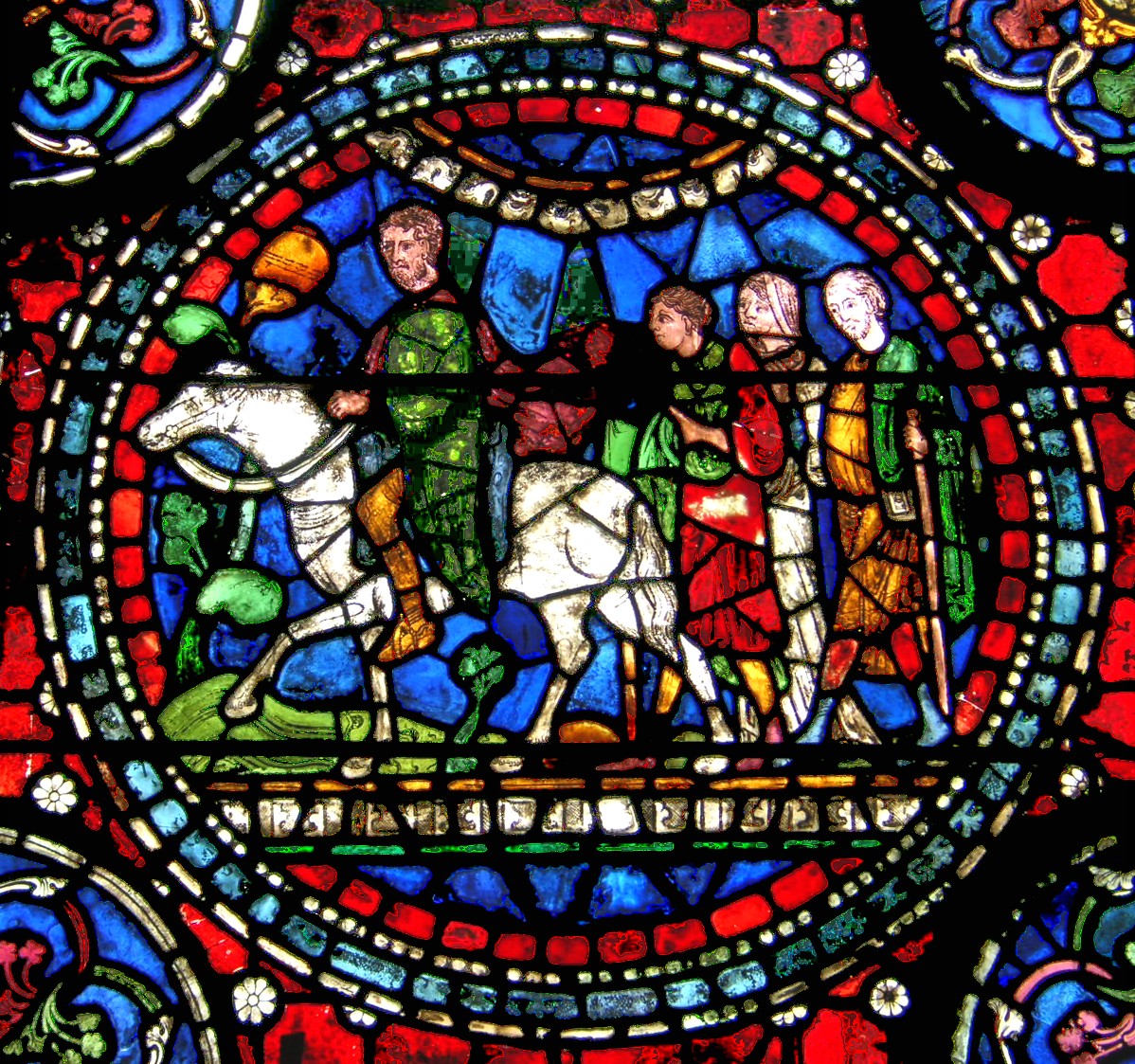
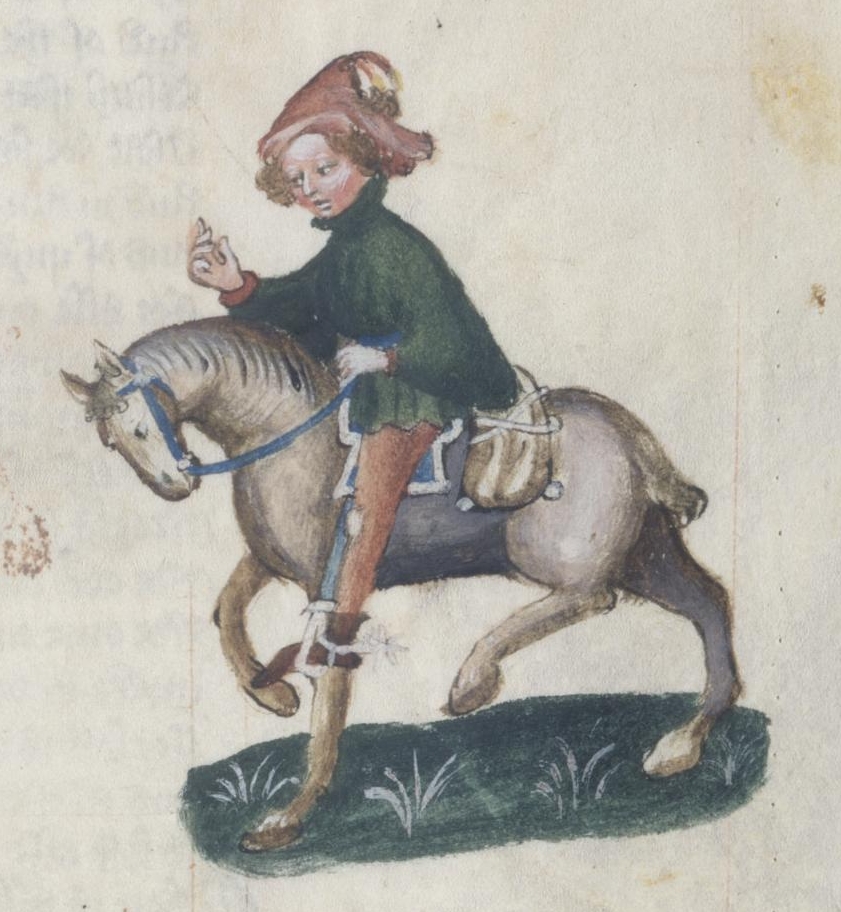
The Canterbury Tales is a landmark collection of stories by Geoffrey Chaucer that helped shape English literature. Written in the late 14th century, the work uses a framed pilgrimage narrative: a group of travelers journey from London to the shrine of Saint Thomas Becket at Canterbury and pass the time by telling tales. Chaucer himself is present in the frame as a pilgrim and occasional narrator. The book is widely read as an early and influential example of literature produced in Middle English rather than in Latin or French. Geoffrey Chaucer and his book are often paired together in surveys of medieval culture.
Image gallery
10 Images




Structure and contents
The work is organized as a frame narrative: the pilgrimage forms a social microcosm in which characters of different classes and occupations exchange stories and observations. Chaucer conceived a large contest in which each pilgrim would tell multiple tales on the way to Canterbury and back, but the surviving text includes only a portion of that plan. The finished manuscript contains roughly two dozen complete or partial tales, spoken by a diverse cast such as the Knight, the Miller, the Wife of Bath, the Pardoner and the Prioress. Stories range across genres — chivalric romance, fabliau, sermon, fable and exemplum — reflecting a wide variety of tones and moral perspectives. As they travel, pilgrims interrupt and respond to one another, creating layers of characterization and social commentary. Many discussions of the work emphasize its inventive use of story types and voices. stories
The collection includes both verse and prose. Most of the Tales survive in poetic form, using rhymed couplets and meters adaptable to spoken performance, while at least two are rendered in prose. This mix of forms enhances variety and suits different narrative purposes. One can note how certain narratives rely on comic, ribald rhythms while others adopt grave, homiletic tones. verse and prose coexist to serve characterization and theme.
Language and poetic form
Chaucer wrote in Middle English, a linguistic stage that can feel unfamiliar to modern readers but is recognizably ancestral to today’s English. The Tales are an important record of the London dialect of the time and helped demonstrate that English could carry literary weight comparable to Latin or Anglo-Norman French. Poetic technique varies across the work: many of the tales are composed in rhymed couplets that anticipate later developments in English poetic meter, and Chaucer’s ear for speech contributes to vivid, distinct voices for his pilgrims.
Historical context and influence
Composed in the 14th century, the Tales reflect social tensions and literary tastes of medieval England, touching on themes such as class difference, church corruption, marriage, and the nature of storytelling itself. The work circulated in manuscript form before the age of printing and was widely copied, studied and performed. Over subsequent centuries it shaped English narrative practice and literary realism, influencing writers who sought to combine social observation with entertaining plots. Chaucer’s ability to present competing perspectives — sometimes without a single authoritative moral voice — marks a major development in European narrative art. 14th-century
Besides its literary importance, The Canterbury Tales has enjoyed broad cultural reach: it has been adapted for stage and screen, translated into modern English and anthologized for classrooms worldwide. Chaucer reportedly read from his work at court, and the tales’ mixture of humor, pathos and critique has kept them central to studies of medieval life and early English literature. Canterbury remains the story’s focal destination and a symbol of pilgrimage in English culture.
Notable facts and distinctions
- Chaucer originally proposed a much larger cycle of tales (commonly described as a plan for many more stories), but only about two dozen tales survive in complete or partial form.
- The cast displays a wide social range — from noble knights to urban tradespeople and clergy — enabling sustained satire and sympathy in equal measure.
- Individual tales are models of distinct genres: for instance, the Miller’s tale exemplifies the bawdy fabliau, while the Parson’s tale is didactic and moralizing.
- The work remains a primary source for students of medieval society and for readers interested in the development of English narrative voice. Chaucer and his pilgrims continue to be subjects of scholarly and popular attention. Prose moments and poetic passages both contribute to its variety.
For introductions and modern editions, readers often consult annotated texts, translations and companion studies that provide glosses on Middle English and historical background. Research and editions remain active fields, and the Tales are frequently reinterpreted in light of contemporary interests in gender, class and narrative technique. For further reading, introductory resources and specialized scholarship can be found through library guides and scholarly portals. Readings, critical editions and performance histories help keep the Tales alive for new audiences. Canterbury and the pilgrimage frame persist as one of English literature’s most memorable conceits.
Questions and answers
Q: Who wrote The Canterbury Tales?
A: Geoffrey Chaucer wrote The Canterbury Tales.
Q: What century was The Canterbury Tales written in?
A: The Canterbury Tales was written in the 14th century.
Q: What language was The Canterbury Tales written in?
A: The Canterbury Tales was one of the first books to be written in Middle English.
Q: What is The Canterbury Tales about?
A: The Canterbury Tales is about a group of pilgrims travelling from London to Canterbury. As they travel along, each person tells a story to pass the time.
Q: How many stories did Chaucer plan to write for The Canterbury Tales?
A: Chaucer planned to write 120 stories for The Canterbury Tales, with each person telling two stories on the way there and two on the way back.
Q: How many of the planned stories were completed for The Canterbury Tales?
A: Only 23 of the planned 120 stories were completed for The Canterbury Tales, and one was partially finished.
Q: Were all the stories in The Canterbury Tales written in verse?
A: No, two of the stories in The Canterbury Tales are written in prose, while the others are written in verse.
Related articles
Author
AlegsaOnline.com The Canterbury Tales: Geoffrey Chaucer’s Middle English Pilgrimage Collection Leandro Alegsa
URL: https://en.alegsaonline.com/art/97722