
Middle High German (circa 1050–1350)
Medieval stage of the German language used in Central Europe between about 1050 and 1350; notable for literary works, phonological changes, and its place between Old High German and Early New High German.
Overview
Middle High German designates the historical stage of the German language used in central and southern German-speaking territories during the High Middle Ages. Scholars generally date it from about 1050 to 1350. It occupies the period after Old High German and before the emergence of Early New High German, and it served as the medium for many courtly, religious, and epic texts.
Image gallery
7 Images




Characteristics
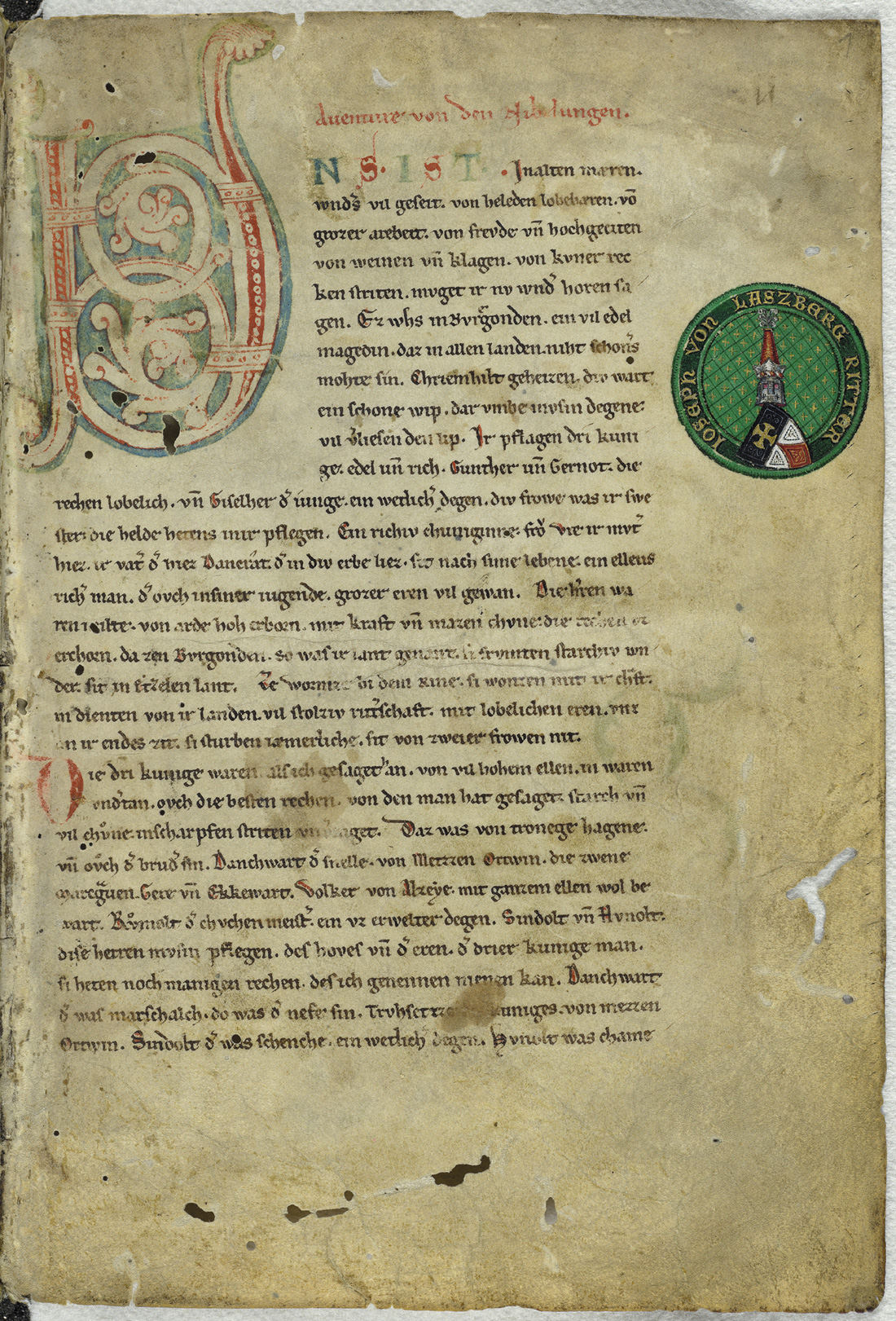
Phonology and grammar show gradual shifts from earlier forms: vowel developments, partial loss of certain inflectional endings, and new consonant patterns. The language was not uniform; regional dialects differed in pronunciation, vocabulary, and morphology. Written conventions remained flexible, so manuscripts reflect a range of orthographies rather than a single standardized form.
History and development
Middle High German developed from Old High German through ongoing sound changes and contact with neighboring languages and dialects. Its heyday coincides with social and cultural transformations of the High Middle Ages, including courtly culture, expanding literacy among clerics, and increased manuscript production. Over the later medieval centuries regional dialects and innovations led toward Early New High German.
Literature and use
This period produced important literary genres: courtly romance, heroic epics, lyric poetry, didactic prose, and theological writings. Notable manuscript traditions preserved both oral and written compositions. Middle High German served in courts, monasteries, and urban centers; it was used for both formal literature and practical documents such as charters and letters.
Notable facts and distinctions
- Dialectal variety: The language includes Alemannic, Bavarian, Central German and other regional groups rather than a single national tongue.
- Manuscript culture: Surviving texts are preserved in manuscripts that show scribal variation and regional spelling.
- Transitionary role: Middle High German links earlier Old High German forms with later standards and helped shape modern German vocabulary and literary traditions.
For introduction and further reading consult general overviews and sample texts that illustrate both the linguistic features and the cultural output of this period.
Related articles
Author
AlegsaOnline.com Middle High German (circa 1050–1350) Leandro Alegsa
URL: https://en.alegsaonline.com/art/64680
Sources
- glottolog.org : "Middle High German"
- britannica.com : Middle High German language