
Early Modern English: origins, features, and cultural impact
Stage of English (c.1500–1700) bridging Middle and Modern English. Characterized by the Great Vowel Shift, printing-driven standardization, and notable literature such as Shakespeare and the King James Bible.
Overview
Early Modern English refers to the stage of the English language that began to take shape around the late 15th century and lasted into the 17th century. During this era the language started to look and sound much more like the English spoken today than its predecessor, Middle English. Many changes affected pronunciation, grammar, vocabulary and spelling, producing a form of English intelligible—if still distinctive—to modern speakers. For a general introduction see Early Modern English.
Image gallery
4 Images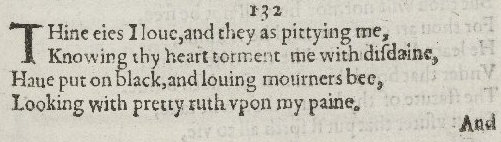


Key characteristics
Several linguistic developments define this period. Most famously, the Great Vowel Shift altered the pronunciation of long vowels, moving them toward the values found in contemporary English. Other noteworthy shifts include the regularization of verb endings, loss of many inflectional endings, and an expanding lexicon as explorers, scholars and printers introduced new words.
- Pronunciation: major vowel changes and evolving stress patterns.
- Grammar: simplification of case endings and more fixed word order.
- Orthography: spelling began to stabilize but remained inconsistent.
- Lexicon: strong influx of Latinate, French and foreign loanwords.
History and causes
The language evolved under social and technological pressures. The introduction of the printing press helped circulate texts widely and promoted more consistent spelling. Literary production, religious reform and increased contact with other languages through trade and colonization all contributed. Major authors and translations from the era played a central role in spreading particular forms and usages.
Literature and notable figures
Early Modern English is the medium of some of the most influential English-language works. William Shakespeare composed his plays and poems in this period; many of his works remain central to the language's literary heritage and can be explored via collections of plays. The translation of the Bible known as the King James Version also helped fix certain idioms and phrases in a widely read form.
Examples and distinctions
Textual contrasts with earlier forms are visible in spelling and verb forms, and in the way long vowels are realized—often described in discussion of long vowel changes. Although Early Modern English is closer to today’s English than Middle English, readers may still encounter unfamiliar vocabulary, archaic pronouns, and different punctuation conventions when approaching original texts.
Understanding Early Modern English illuminates how modern grammar, pronunciation and literary standards emerged and clarifies the development of many common words and expressions that survive into present-day usage.
Questions and answers
Q: What is Early Modern English?
A: Early Modern English is a period of the English language that marks the beginning of familiar written and spoken English language for English speakers today, or speakers of Modern English.
Q: When was Early Modern English spoken and written?
A: Early Modern English was spoken and written during the time when William Shakespeare wrote his plays.
Q: What makes Early Modern English different from Middle English?
A: Early Modern English is different from Middle English due to the Great Vowel Shift, which changed all long vowel sounds to their current sounds.
Q: What was the Great Vowel Shift?
A: The Great Vowel Shift was a major phonetic change that occurred in the English language during the transition from Middle English to Early Modern English, where all long vowel sounds were altered to their current sounds.
Q: Why is the Great Vowel Shift significant to the English language?
A: The Great Vowel Shift is significant because it ended up altering and shaping the English language that English speakers use today.
Q: What was the impact of Early Modern English on literature?
A: Early Modern English was significant in literature because it was during this period that great literary works like those of William Shakespeare and other writers were produced.
Q: What is the relevance of Early Modern English in English language studies?
A: Early Modern English is relevant to English language studies because it marked a period of significant changes to the English language, which has an impact on how the language continues to evolve and develop today.
Related articles
Author
AlegsaOnline.com Early Modern English: origins, features, and cultural impact Leandro Alegsa
URL: https://en.alegsaonline.com/art/29556