
Arzashkun — an early capital of the Kingdom of Urartu
Arzashkun was an early royal stronghold of Urartu in the 9th century BCE, known from Assyrian inscriptions and described as a fortified city north of Lake Van; its exact site remains uncertain.
Overview
Arzashkun was recorded in Near Eastern sources as a principal capital of the early Kingdom of Urartu in the 9th century BCE. The site is known primarily from Assyrian royal inscriptions that describe a fortified city north of Lake Van in what is now eastern Turkey. The place name appears in Armenian tradition and later scholarship has treated Arzashkun as one of the earliest seats of Urartian royal power. Armenian form, Urartu, Lake Van, eastern Turkey.
Image gallery
2 Images
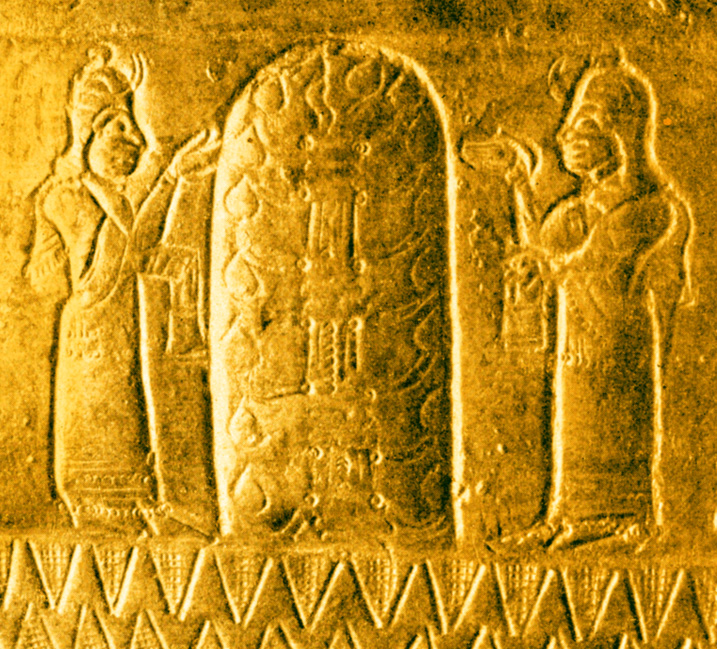
Location and physical characteristics
Ancient descriptions portray Arzashkun as a strongly fortified settlement. Assyrian annals and later summaries refer to defensive works such as dual enclosure walls and towers that reinforced the citadel. Contemporary reconstructions often note the city's concentric defenses and watch-towers, suggesting a planned fortification system typical of early Iron Age hill strongholds. The extant textual tradition mentions the city itself and its features: the city, two walls, towers. The sources add that it was well protected from direct assault: protected from attack by a surrounding landscape of heavy woodland — a thick forest through which an invading army would find it difficult to travel.
Historical context and records
In the 9th century BCE the polity later called Urartu controlled upland regions near the headwaters of Mesopotamian rivers. Assyrian rulers regarded this rising power as a threat. The Assyrian king Shalmaneser III campaigned in the region and recorded an expedition against Urartu. Assyrian texts describe an advance into Urartian territory and claim the destruction of Arzashkun during a raid in 857 BCE; these accounts come from the perspective of Assyria and its scribes recording an expedition. The wider setting of these events places Arzashkun within the highland river systems, often linked in sources with the upper reaches of the river network around the Tigris basin and neighbouring plateaus. Nation of Urartu.
Name, identification and later history
The form "Arzashkun" appears in Assyrian records and is generally treated as a rendering of a local or Armenian name; modern scholars regard the precise linguistic origin as probable but not securely proved. The city's exact archaeological location has not been conclusively identified; proposed sites lie north of Lake Van but definitive excavation evidence tying a particular ruin to the name is lacking. After the period when Arzashkun is named, later Urartian political life became associated with other centers (for example the fortress-palace at Tushpa on Lake Van), indicating that Arzashkun was one of several early royal seats rather than a continuously dominant capital.
Importance and research
Arzashkun matters to historians and archaeologists for several reasons. It appears in contemporary inscriptions that illuminate early Urartian-Assyrian relations, provides evidence for military and defensive practice in the early Iron Age, and illustrates how imperial annals shaped later historical memory. Ongoing archaeological survey and regional studies aim to locate possible sites matching the descriptions and to understand settlement organization, fortification techniques and landscape use. The study of Arzashkun also helps clarify the transition from local highland polities to a more centralized Urartian state.
Key points
- Arzashkun is known mainly from Assyrian inscriptions naming an early Urartian capital. Shalmaneser III recorded operations there.
- Descriptions stress strong fortifications and a defensive situation aided by dense forest. Two walls, towers, thick forest.
- The precise archaeological identification remains uncertain; more fieldwork would be required to confirm a candidate site north of Lake Van. Eastern Turkey.
- Assyrian claims of destruction reflect the perspective of their annals and do not alone settle the city’s ultimate fate. Assyria and its expedition narratives are principal textual sources.
For readers seeking starting points for further reading, consult editions and translations of Assyrian royal inscriptions and modern surveys of Urartian archaeology and history. These primary and secondary works are the foundation for understanding Arzashkun's place in the early Iron Age of the Armenian Highlands. Armenian, Urartu, city, protected, army, travel, nation, river, Tigris.
Related articles
Author
AlegsaOnline.com Arzashkun — an early capital of the Kingdom of Urartu Leandro Alegsa
URL: https://en.alegsaonline.com/art/6423