
Lake Van: Turkey's largest soda lake and its cultural landscape
Lake Van is the largest lake in Turkey, an alkaline, high-altitude body of water in eastern Anatolia noted for its islands, historic sites and unique ecology.
Overview
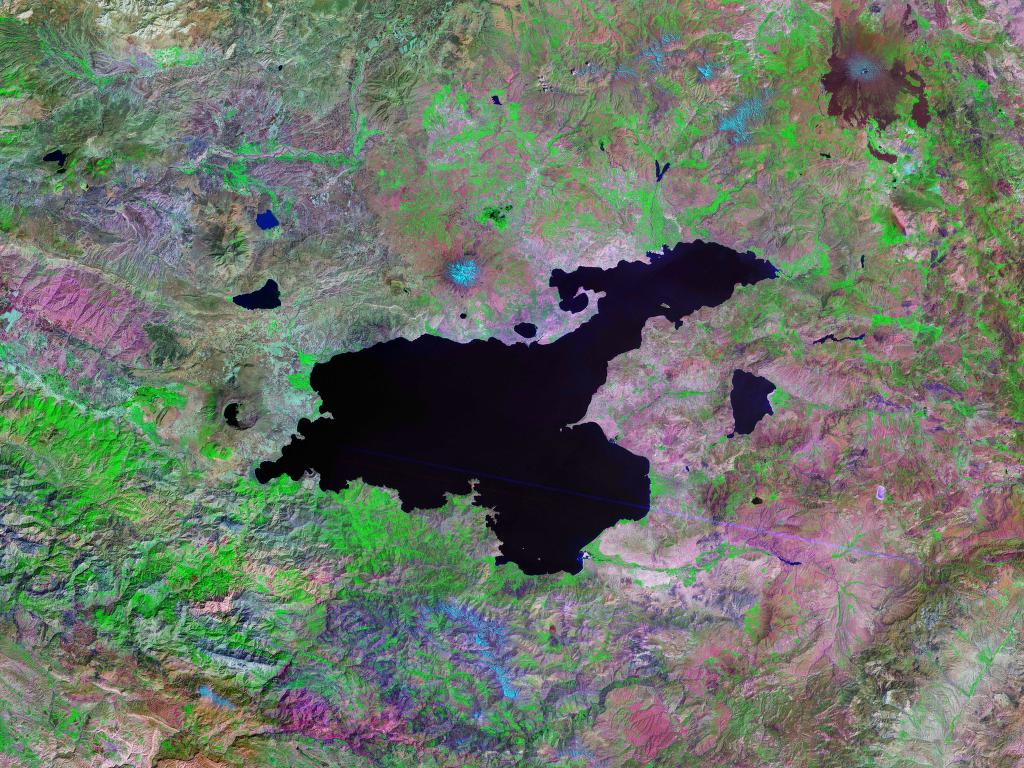
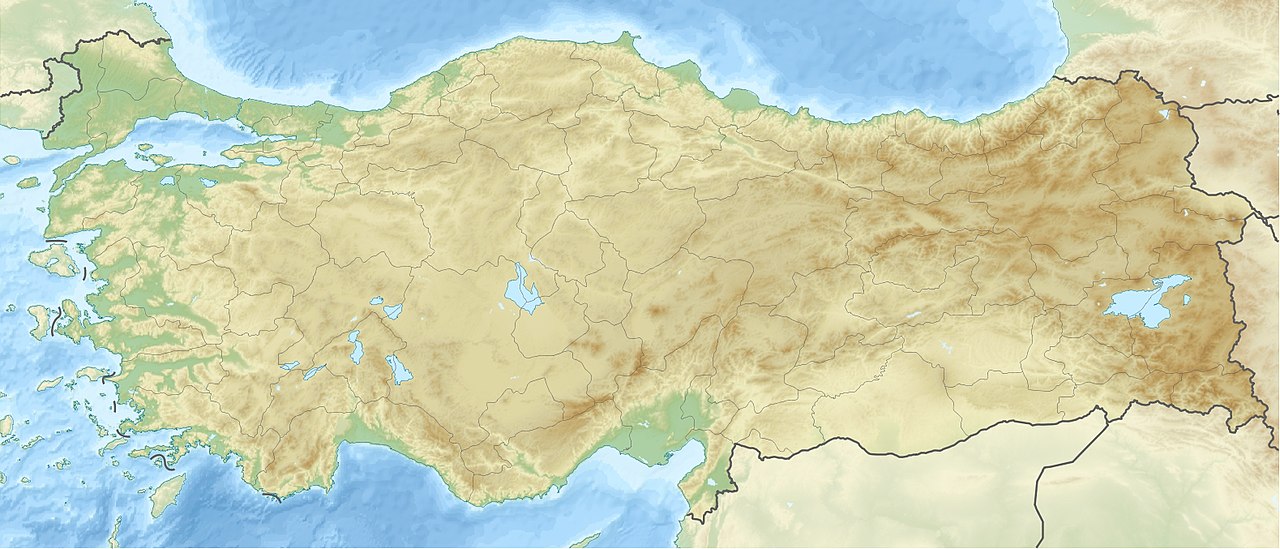
Lake Van, known in Turkish as Van Gölü and in Armenian as Վանա լիճ, is the largest lake in Turkey. It lies in the far eastern part of the country, within the modern borders of Turkey. Occupying a high plateau, the lake is a distinctive feature of the Armenian Highland and the Eastern Anatolian landscape.
Image gallery
10 Images




Physical characteristics
Lake Van is a saline, alkaline (soda) lake set in a closed tectonic basin. Its waters are rich in carbonate salts, which give it chemical properties different from typical freshwater lakes. The lake sits at about 1,640 m above sea level and generally does not freeze in winter except in shallow bays. Several islands lie within the lake, the best known being Akdamar Island, which has become a focal point for visitors.
History and cultural sites
The Lake Van region has been inhabited for millennia and was central to ancient states such as Urartu. Over centuries it has been part of Armenian, Persian, Kurdish and Ottoman spheres of influence, shaping a diverse cultural heritage around the shoreline. One of the lake's most famous monuments is the medieval Armenian Church of the Holy Cross on Akdamar Island, a restored 10th-century structure famed for its carved reliefs and architectural detail.
Ecology, economy and uses
Despite its salinity, Lake Van supports specialized life. The pearl mullet (locally significant) is adapted to the lake's chemistry and migrates into inflowing rivers to spawn; fisheries based on this species have cultural and economic importance for nearby communities. The lake also attracts tourists for its scenery, historic sites and boat trips to islands. Local uses include small-scale fishing, tourism services, and in some areas traditional salt extraction.
Notable facts and concerns
- Type: alkaline/soda lake in an endorheic (closed) basin.
- Islands and monuments: Akdamar Island with the Church of the Holy Cross.
- Ecology: hosts specialized species adapted to high carbonate levels.
- Human impact: water level fluctuations and land use changes raise management and conservation questions for local communities and heritage sites.
Lake Van remains a geographically and culturally significant inland sea in eastern Anatolia, combining distinctive natural chemistry with a layered human history. Further reading and resources about the lake's geology, ecology and monuments can be found through regional travel and academic sources.
Questions and answers
Q: What is Lake Van?
A: Lake Van is the largest lake in Turkey.
Q: Where is Lake Van located?
A: Lake Van is located in the far east of Turkey.
Q: What is Akdamar Island?
A: Akdamar Island is an island located in Lake Van.
Q: Why does Lake Van not freeze?
A: Lake Van does not freeze because it is very salty, except occasionally the shallow northern section.
Q: What is the altitude of Lake Van?
A: The altitude of Lake Van is 1,640m (5,380ft).
Q: Does Lake Van have harsh winters?
A: Yes, Lake Van has harsh winters despite not freezing.
Q: What is the Armenian name for Lake Van?
A: The Armenian name for Lake Van is Վանա լիճ.
Related articles
Author
AlegsaOnline.com Lake Van: Turkey's largest soda lake and its cultural landscape Leandro Alegsa
URL: https://en.alegsaonline.com/art/55579