
Atlantic slave trade: history, scale, and legacy
Overview of the transatlantic trafficking of enslaved Africans: origins, trade routes, the Middle Passage, conditions, economic role, abolition, and lasting social and cultural effects.
The Atlantic slave trade was a system of forced migration and commercial exchange that moved millions of African people across the Atlantic Ocean into European colonies. It began in the early period of European overseas expansion in the 15th century and continued into the 19th century. European merchants and states organized the purchase, transport and sale of captives for labor in the Americas; the process is sometimes described in shorthand as the sale and trading of enslaved people.
Image gallery
10 Images
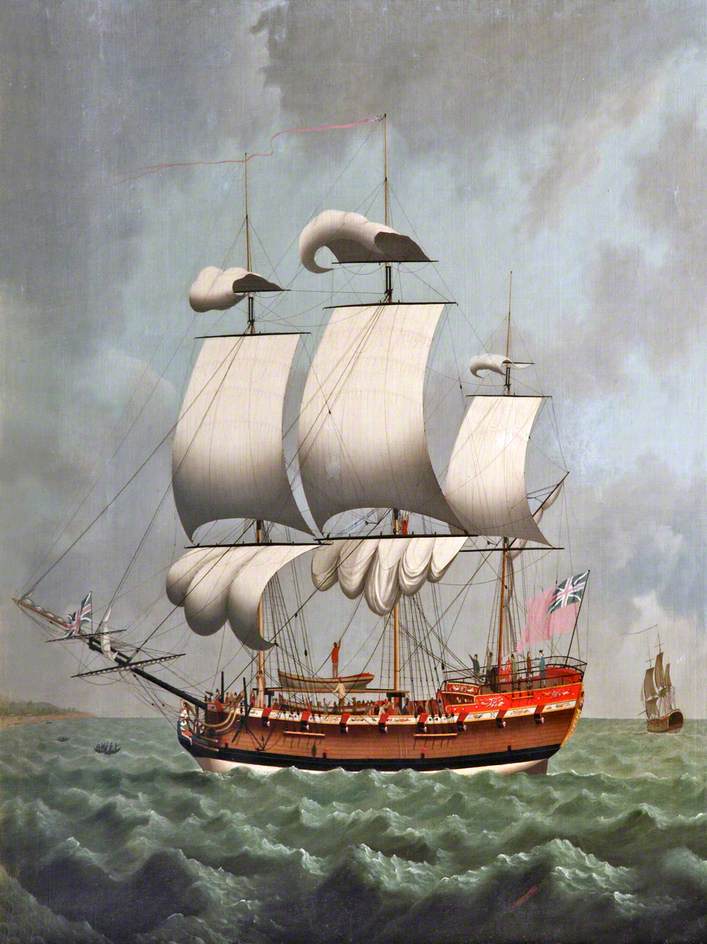


Scope and organization
Estimates vary but scholars generally agree that on the order of ten million or more Africans were taken to the Americas over several centuries. Most captives originated in coastal and inland regions of West and Central Africa and were delivered at ports and forts before being placed aboard ships. European powers that participated included Portugal, Spain, Britain, France and the Netherlands, each operating networks of merchants, ships and colonial plantations across the Atlantic world. The trade linked multiple regions: European goods, African captives and American agricultural products formed a set of exchange routes often called the triangular trade.
Capture, voyage and the Middle Passage
People abducted or sold into slavery—often through wars, raids, or local intermediaries—were held in camps or coastal forts prior to embarkation. Once aboard a slave ship, captives endured crowded, unsanitary, and often brutal conditions for the ocean crossing. This transoceanic leg of the journey is known as the Middle Passage, a period marked by high mortality, disease, abuse and psychological trauma.
Typical features
- Origins: most enslaved people came from regions of West Africa and parts of Central Africa.
- Destinations: labor was directed to the New World, including Caribbean islands, Brazil, and North American colonies.
- Actors: European buyers and colonial planters worked with African intermediaries and local rulers in complex commercial arrangements (European shipping and financing).
- Human cost: captives—referred to at the time as African enslaved persons—suffered loss of freedom, family separation and high mortality rates during capture and transport.
Economic and social impact
The labor of enslaved Africans underpinned major colonial economies, producing commodities such as sugar, tobacco and cotton for international markets. Profits from the trade and plantation economies helped finance further industrial and commercial development in Europe. The movement of people also resulted in profound demographic and cultural changes: the African diaspora shaped languages, religions, music, cuisine and social structures in the Americas, and created long-term inequalities that persist.
Abolition and legacy
Opposition to the trade and to slavery grew from the late 18th century onward through moral campaigns, resistance by enslaved people, economic shifts, and legal measures. Different countries abolished the trade and slavery at different times during the 19th century, though illegal traffic and domestic forms of bondage continued. The legacy of the Atlantic slave trade is central to contemporary discussions about race, reparations, and historical memory across the Atlantic world. For further reading and archival materials see related resources on the trade and its consequences (Atlantic region, commercial records, and scholarly overviews about the Middle Passage).
Primary sources, archaeological findings and oral histories continue to refine understanding of the trade’s scale and human impact; for curated collections and introductions consult archival guides and museum pages (African perspectives, New World archives, and detailed studies of West African regions and European involvement in shipping).
Questions and answers
Q: What was the Atlantic slave trade?
A: The Atlantic slave trade was the selling of African slaves by Europeans that took place in and around the Atlantic Ocean.
Q: How long did the Atlantic slave trade last for?
A: The Atlantic slave trade lasted from the 15th century to the 19th century.
Q: Where were most slaves shipped from?
A: Most slaves were shipped from West Africa.
Q: Where were the slaves brought over to?
A: The slaves were brought over to the New World on a slave ship.
Q: What was the condition like on the slave ship?
A: The slaves lived in bad conditions whilst being transported on a ship.
Q: What was the journey called that the slaves were transported on?
A: The journey by ship that the slaves were transported on was known as the Middle Passage.
Q: Who transported the slaves during the Atlantic slave trade?
A: The slaves were transported by Europeans during the Atlantic slave trade.
Tags
Related articles
Author
AlegsaOnline.com Atlantic slave trade: history, scale, and legacy Leandro Alegsa
URL: https://en.alegsaonline.com/art/6999
Sources
- liverpoolmuseums.org.uk : "The capture and sale of slaves"
- books.google.com : "The Anglo-American Magazine"
- encyclopedia2.thefreedictionary.com : "Maafa Commemoration"
- unesco.org : "Transatlantic Slave Trade"
- brycchancarey.com : William Wilberforce (1759–1833).