
Kingdom of Urartu (Ararat): Iron Age state of the Armenian Highlands
An Iron Age kingdom (c. 9th–6th centuries BCE) centered on the Armenian Highlands around Lake Van; noted for fortress citadels, irrigation works, metalworking, cuneiform inscriptions and rivalry with Assyria.
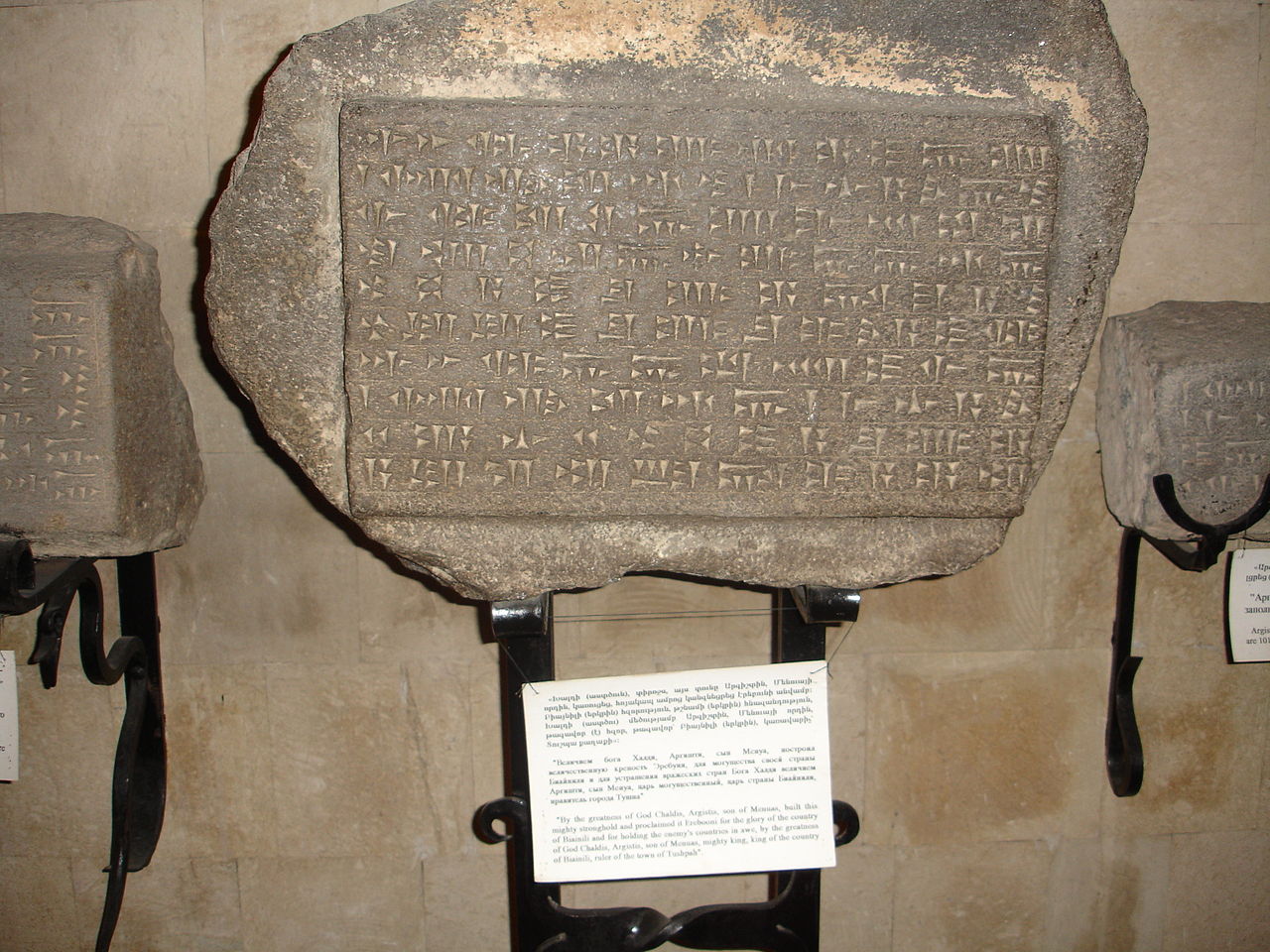
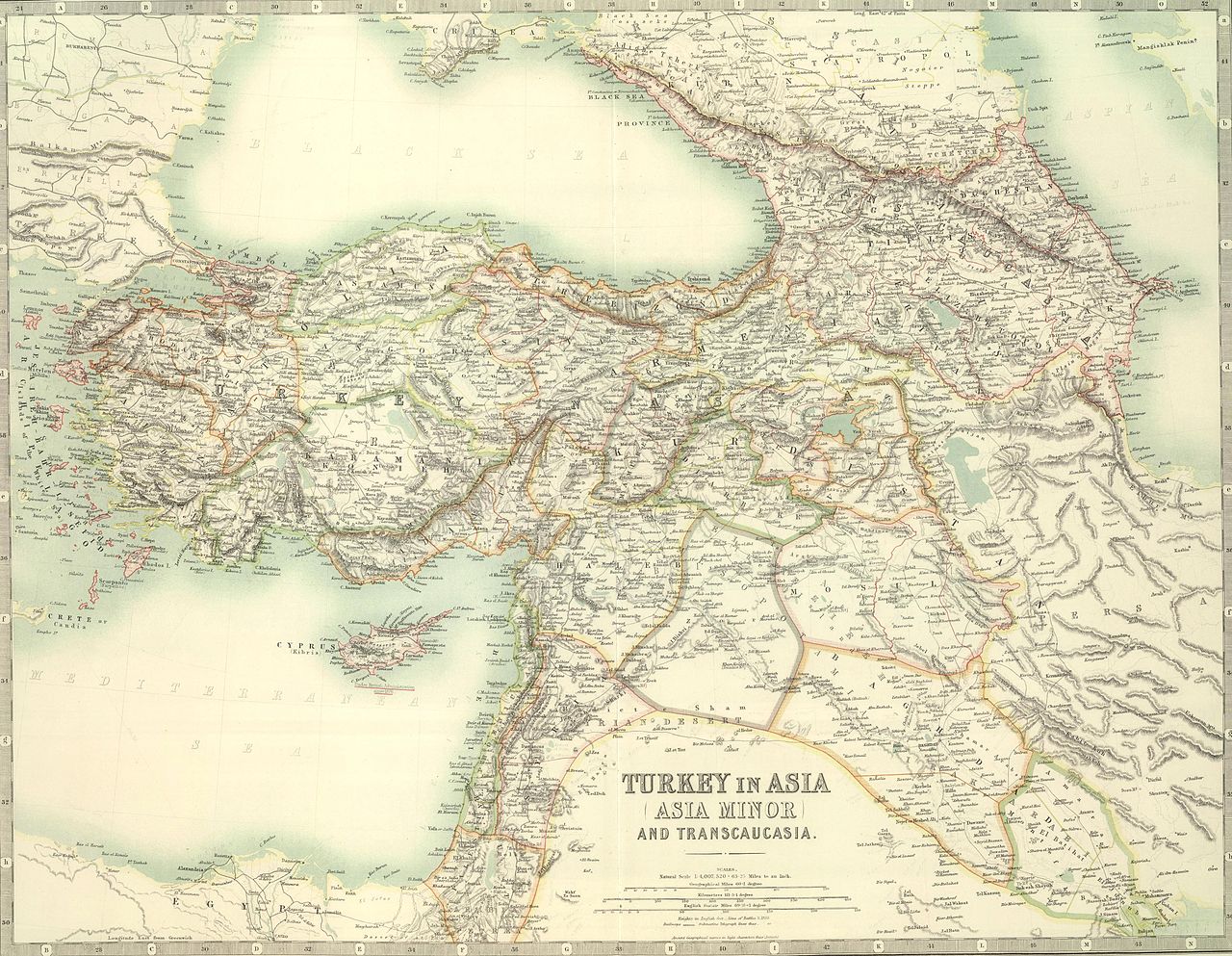
The Kingdom of Urartu, sometimes called Ararat in later sources, was a major Iron Age state that emerged in the highlands of eastern Anatolia and the Armenian Plateau. Flourishing from roughly the 9th to the 6th centuries BCE, Urartu controlled territories around Lake Van, Lake Urmia and Lake Sevan and influenced adjacent regions that are now parts of Turkey, Armenia, Iran and Iraq. The kingdom is known from both its monumental remains and inscriptions in the Urartian language, preserved on stone and metal in cuneiform script.
Image gallery
10 Images




Origins and chronology
Urartu developed in the wake of earlier Bronze Age cultures in the highlands and rose to prominence as Assyrian power waxed and waned in the region. From the ninth and eighth centuries BCE Urartian kings consolidated control over a network of fortified centres and irrigation systems. Prominent rulers named in inscriptions include Sarduri I, Menua and Argishti I, who are credited with territorial expansion, founding cities and extensive building programmes. By the late seventh and early sixth centuries BCE the kingdom suffered mounting pressure from neighboring powers and nomadic groups; its institutions were ultimately overtaken by Median and other regional forces.
Geography, environment and economy
Located in a mountainous, volcanic landscape, Urartu exploited valleys and rivers with engineered canals and reservoirs to increase arable land. The economy combined irrigated agriculture, pastoralism and specialised crafts. Cereals, orchards and vineyards were cultivated where irrigation permitted, while transhumant herding used higher pastures. Trade in metals, textiles and luxury goods connected Urartian centres to wider Near Eastern markets.
Society, administration and language
Urartian society was hierarchical and centred on the king and royal administration. Regional governors and fortress commanders administered districts from citadels that functioned as centres of production and storage. The written administrative language, Urartian, belongs to the Hurro‑Urartian family and was written in a form of cuneiform adapted from Mesopotamia. Assyrian sources complement Urartian inscriptions, together giving insight into diplomacy, warfare and taxation.
Architecture, engineering and material culture
Architectural remains show massive stone foundations, finely cut ashlar masonry and vaulted storehouses. Fortified hilltop citadels protected palaces, temples and granaries. Engineers built long irrigation canals, rock-cut channels and reservoirs to manage water in the highland environment. Metalworking—especially bronze and iron—was highly developed and supplied tools, weapons and ritual objects; pottery, carved stone and repoussé metalwork reflect a distinctive artistic vocabulary that combined local traditions with broader Near Eastern motifs.
Religion and art
Religious practice centred on temple complexes and cults to deities such as Haldi, Teisheba and Shivini, who appear frequently in royal dedications. Kings portrayed themselves as builders and patrons of temples and as intermediaries between the gods and the community. Sculpture, reliefs and metal figurines attest to ceremonial life and royal ideology.
Relations with neighbours and military affairs
Urartu maintained a complex relationship with the Neo-Assyrian Empire: rivalry, warfare and periods of uneasy peace. The kingdom also interacted with Scythian and Cimmerian groups and later faced pressure from Medes and other Iranian polities. Urartian armies were organised around fortified centres and utilised chariots, infantry and iron weapons; defensive works and supply systems were critical to sustaining campaigns in the difficult terrain.
Decline and legacy
From the late seventh century BCE internal strains and external attacks weakened Urartu. By the early sixth century urban centres and royal institutions had largely disappeared or been transformed under succeeding powers. Nevertheless, Urartu left a lasting imprint on the landscape and cultural memory of the Armenian Highlands. Later place‑names, architectural traditions and elements of material culture persisted, and Urartian inscriptions remain primary evidence for studying state formation in the Iron Age highlands.
Archaeology and notable sites
Systematic excavations have exposed key sites such as the Van Fortress (ancient Tushpa), the fortress of Erebuni (a foundation attributed to Argishti I), and fortified settlements like Teishebaini (Karmir Blur). Archaeologists study fortifications, palaces, temples, irrigation works and administrative texts to reconstruct economic, political and ritual life. Continued fieldwork and conservation efforts help to clarify Urartu's role in the ancient Near East and to preserve its material heritage for future research.
- Period: c. 9th–6th centuries BCE (Iron Age).
- Language family: Hurro‑Urartian (Urartian written in cuneiform).
- Economy: Irrigated agriculture, pastoralism, metallurgy and trade.
- Notable features: Hilltop citadels, ashlar masonry, canal systems and metalwork.
Questions and answers
Q: What is the Kingdom of Urartu?
A: The Kingdom of Urartu was an Iron Age kingdom that existed in the Armenian highland between Lake Van, Lake Urmia, and Lake Sevan.
Q: Where was the territory of the Kingdom of Urartu located?
A: The territory of the Kingdom of Urartu extended over the modern frontiers of Turkey, Iran, Iraq, and the Republic of Armenia.
Q: Who did the Urartians collaborate with during the seventh century?
A: During the seventh century, the Urartians collaborated with a combination of Scythians and Cimmerians in their jockeying for power.
Q: Why was the Kingdom of Urartu weakened?
A: The Kingdom of Urartu was weakened by the constant rivalry between Assyrians, Babylonians, Scythians, and Medes.
Q: Who swallowed Urartu?
A: The Medes swallowed Urartu.
Q: What were the Babylonian and Hebrew names for Urartu?
A: The Babylonian name for Urartu was Urashtu, and the Hebrew name for Urartu was Ararat.
Q: What was the Assyrian name for Urartu?
A: The Assyrian name for Urartu was māt Urarṭu.
Related articles
Author
AlegsaOnline.com Kingdom of Urartu (Ararat): Iron Age state of the Armenian Highlands Leandro Alegsa
URL: https://en.alegsaonline.com/art/103546