
Wall (architecture, function, and history)
A wall is a vertical structure that divides, supports, protects, or bounds space. This article explains types, materials, historical roles in defense and politics, and modern uses and distinctions.
Overview
A wall is a generally vertical element used to separate, support or enclose space. Walls appear in buildings, landscapes and fortifications and can be structural (bearing loads) or non‑structural (partitions and cladding). As physical barriers they provide privacy, security, shelter from weather, and help define property and circulation within and around structures.
Image gallery
10 Images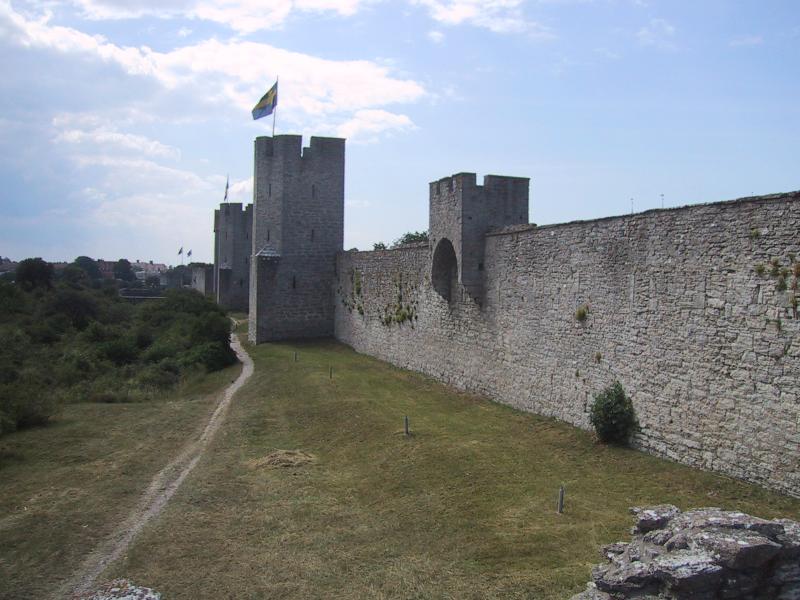




Materials and basic parts
Walls are built from a wide range of materials chosen for strength, appearance, insulation and cost. Traditional examples include stone and brick, while modern constructions often use reinforced concrete, steel frames, timber studs with plasterboard, or curtain wall systems on high‑rise buildings. A typical wall assembly may include exterior finish, structural core, insulation, and interior finish. Specialized walls also incorporate damp‑proofing, fire‑resistant layers or acoustic insulation.
Functions and common types
- Load‑bearing walls: carry floor and roof loads to foundations.
- Partition walls: divide interior space without supporting major loads.
- Retaining walls: hold back soil and manage changes in ground level.
- Boundary and privacy walls: mark property lines and screen areas.
- Firewalls and party walls: limit fire spread and separate ownership or tenancy.
History and development
Walls have long played both practical and symbolic roles. Defensive city walls and ramparts protected settlements until advances in gunpowder and artillery made many obsolete; the increasing power of siege weapons changed military architecture and prompted new defensive forms. Famous long historical works include the Great Wall of China and Roman frontier works such as Hadrian's Wall. In the 20th century some walls served political and social functions — the Berlin Wall is a prominent example of a constructed barrier that divided a city and a nation before it fell in 1989 (Berlin Wall) — and walls also enter cultural life as metaphors, for instance in music (Pink Floyd).
Uses, examples and social effects
Beyond structure and defense, walls influence comfort and security: they shape acoustics, control thermal performance, and establish private and public zones. City walls once defended against invasion and raids, and provided a controlled point for trade and taxation. With the arrival of heavy artillery and modern warfare these fortifications lost much of their military value and many were removed or preserved as heritage. Walls can also protect inhabitants from weather and create sheltered microclimates for buildings and gardens.
Legal, cultural and ethical considerations
Walls can have legal implications as property boundaries or party walls that affect ownership and maintenance responsibilities. They can carry cultural weight — dividing communities or expressing sovereignty — and sometimes become instruments of exclusion. Historical practices such as immurement have used walls as a means of execution or punishment, a reminder that barriers affect human lives in profound ways.
Distinctions worth noting
- Load‑bearing versus non‑load‑bearing: this affects construction methods and renovation approaches.
- Solid versus cavity walls: cavity walls improve insulation and moisture control.
- Exterior (weather‑exposed) walls versus interior partitions: performance requirements differ.
Understanding the type and purpose of a wall is essential for design, conservation and legal matters; whether ancient rampart or modern sound barrier, walls remain fundamental elements of the built and social environment.
Questions and answers
Q: What is a wall?
A: A wall is a vertical dividing surface that divides space in buildings into rooms or protects buildings.
Q: What are walls usually made of?
A: Walls are usually made of stone or brick.
Q: What are the two main purposes of walls?
A: The two main purposes of walls are to support the top part of buildings and to divide space, giving protection from invasion, escape, and weather.
Q: When were city walls used for defense?
A: City walls were used for defense before powerful artillery was invented.
Q: When did most city walls get removed?
A: Most city walls got removed after powerful artillery was invented.
Q: What does "the Wall" usually refer to?
A: The term "the Wall" usually refers to the Berlin Wall, built during the Cold War which fell in 1989. It may also refer to the Pink Floyd album of the same name.
Q: How has sealing people behind walls historically been used?
A: Sealing people behind walls has historically been used as a method of human sacrifice and punishment.
Related articles
Author
AlegsaOnline.com Wall (architecture, function, and history) Leandro Alegsa
URL: https://en.alegsaonline.com/art/106270
Sources
- commons.wikimedia.org : Wall
- allanblock.com : "What is a Retaining Wall"