
Asuka period — formative era of early Japan (c. 538–710)
Japanese Asuka period (c. 538–710): political centralization, the arrival of Buddhism, continental influence, art and architecture, and the reforms that led to the Nara state.
Overview
The Asuka period is a name used by historians for a formative era in early Japan, traditionally dated from about 538 to 710. It overlaps with the end of the preceding Kofun period and with the beginning of the following Nara period. The period takes its name from the Asuka area, a cluster of settlements and court sites located near the modern city of Nara, often identified with the historic Asuka region where many early palaces and tombs have been excavated.
Image gallery
10 Images




Political development and reform
The Asuka era saw the Yamato court consolidate power and experiment with new forms of governance influenced by models from the Asian continent. A succession of political changes and coup events strengthened central authority, culminating in major administrative reforms in the mid-7th century that historians often connect with the so-called Taika reforms. These moves aimed to reorganize landholding, taxation and official ranks, and set the stage for later codified ritsury� systems of government.
Religion, literacy and continental influence
One of the most consequential developments of the period was the introduction and spread of Buddhism, transmitted from Korea and China. Buddhism quickly became a force in court politics, art and ritual, and encouraged the adoption of Chinese writing, calendrical science, and court ceremony. Prominent aristocratic families and regents, including figures traditionally associated with early state patronage, promoted Buddhist construction and learning, transforming the religious landscape of the archipelago.
Art, architecture and material culture
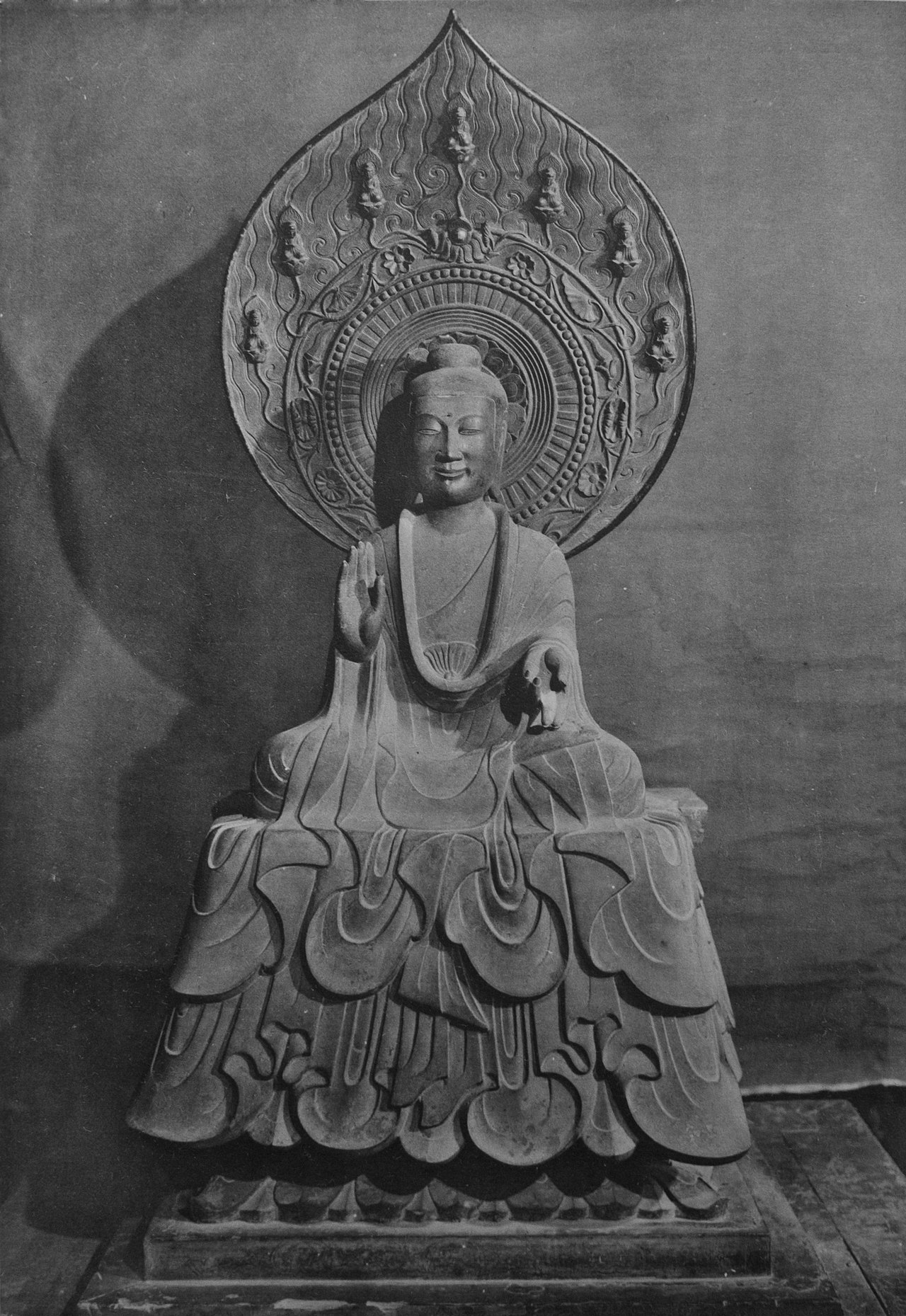
Asuka artistic expression shows clear continental influences in sculpture, painting and temple architecture, while blending local traditions. Surviving monuments and artifacts include early wooden temples, gilt-bronze statuary, decorated mirrors and painted tombs. HÅ�ryÅū-ji and Asuka-dera are often cited as representative foundations of temple culture; some wooden structures and components from this era rank among the oldest extant examples of East Asian wooden architecture.
Society, tombs and archaeology
Burial mounds (kofun) and palace sites reveal social hierarchies and the process of elite consolidation. Archaeological finds—tombs, ceramics, imported goods and inscriptions—help trace changing elite networks and trade contacts. The Asuka period is therefore central to understanding the transition from regional chiefdoms to a more centralized polity based on bureaucratic offices and codified ranks.
Legacy and historical significance
The transformations of the Asuka period—administrative reform, the adoption of Buddhism, new artistic vocabularies and increased engagement with continental technologies—laid the institutional and cultural foundations for the classical Nara state. Its monuments and artifacts remain key sources for scholars and are often focal points for cultural heritage and tourism in the Asuka and Nara regions today.
- Notable sites: Asuka palace remains, HÅ�ryÅū-ji, Asuka-dera.
- Key themes: state formation, religion, continental exchange, art and architecture.
For a concise introduction and further references on chronology and archaeology, consult specialized surveys and museum collections that examine the archaeological record and contemporary chronicles in context. Many general histories and site guides also provide accessible summaries of the period's decisive role in early Japanese history.
More on Japan's early history · Connections with the Kofun period · Transition into the Nara period · History of the Asuka region · Nara and its heritage
Related articles
Author
AlegsaOnline.com Asuka period — formative era of early Japan (c. 538–710) Leandro Alegsa
URL: https://en.alegsaonline.com/art/6852
Sources
- city.osaka.jp : Osaka City website:
- city.osaka.jp : Osaka, history
- mint.go.jp : Wado Kaichin