
Merovingian dynasty
Early medieval Frankish dynasty that ruled much of Gaul from the 5th to 8th centuries; known for long-haired kings, Salian origins, conversion under Clovis, and eventual replacement by the Carolingians.
Overview
The Merovingian dynasty was the ruling house of the Franks in the western provinces of the late Roman world. Emerging in the fifth century, the family established kingdoms in Gaul and adjacent regions that correspond largely to modern France, parts of Germany and the Low Countries. Their rule stretches from the collapse of central Roman authority to the rise of the Carolingian dynasty in the mid-eighth century.
Image gallery
10 Images





Origins and early expansion
The dynasty’s name is traditionally linked to a semi-legendary leader, Merovech, associated with the Salian Franks. One of the best-documented Merovingian rulers, Clovis I, consolidated many Frankish groups and defeated remaining Roman authorities such as Syagrius, winning control over large parts of northern and central Gaul. Clovis’s conversion to Christianity brought him into close relation with the bishops and the Western Church, a turning point for the dynasty’s legitimacy.
Royal symbols, law and succession
Contemporaries called them the "long-haired kings" (reges criniti) because kings kept their hair uncut as a visible mark of royal status. Frankish customary law and practices such as partible inheritance shaped the political map: kingdoms were often divided among a ruler’s sons, producing competing sub-kingdoms and frequent internal conflict. Elements later associated with Salic traditions influenced patterns of succession and landholding.
Institutions and the mayor of the palace
Early Merovingian rule mixed Roman administrative habits with Germanic elites. Kings relied on local aristocrats, bishops and household officers to collect revenue, command troops and adjudicate disputes. Over the seventh century the office of the mayor of the palace grew in importance, concentrating military and administrative power. Families of powerful mayors, notably that of Pippin and his descendants, gradually eclipsed royal authority.
Religion and society
The dynasty’s conversion to Catholic Christianity shaped church–state relations: bishops became important royal advisers and agents of governance. The alliance with the Roman Church helped Merovingian kings claim authority beyond ethnic Frankish circles and facilitated cultural integration across former Roman provinces. Society remained largely rural, with landholding, kinship ties and military service forming the backbone of political life.
Material culture and archaeology
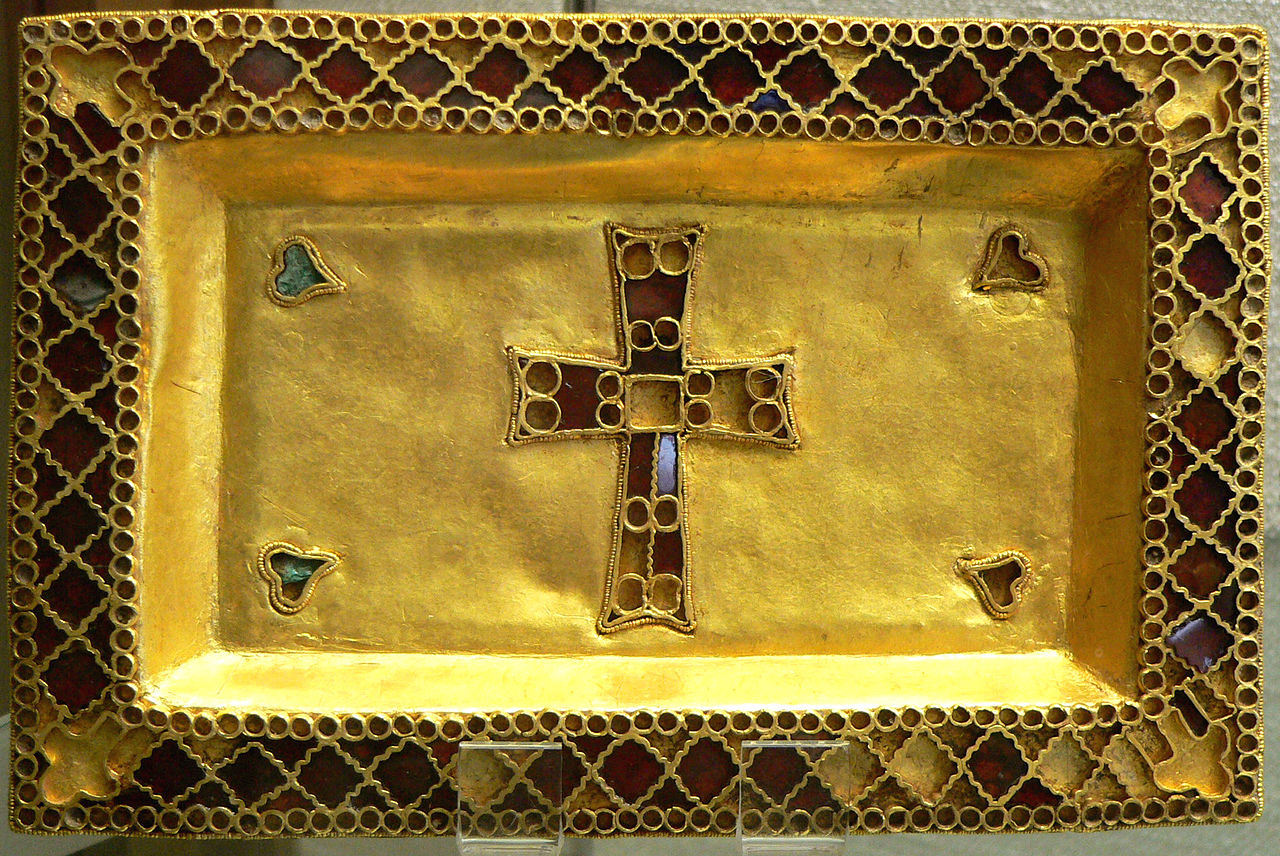
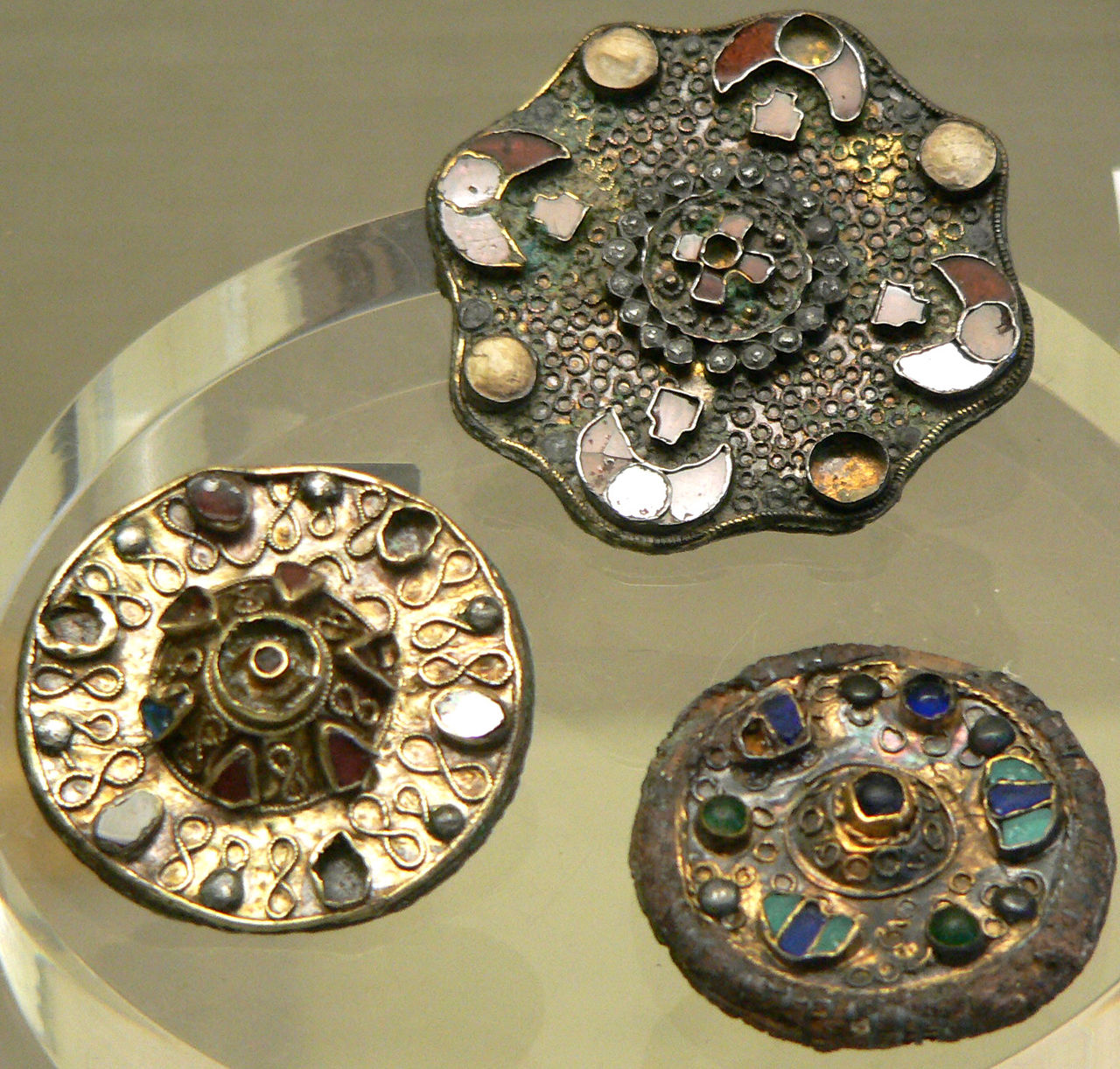
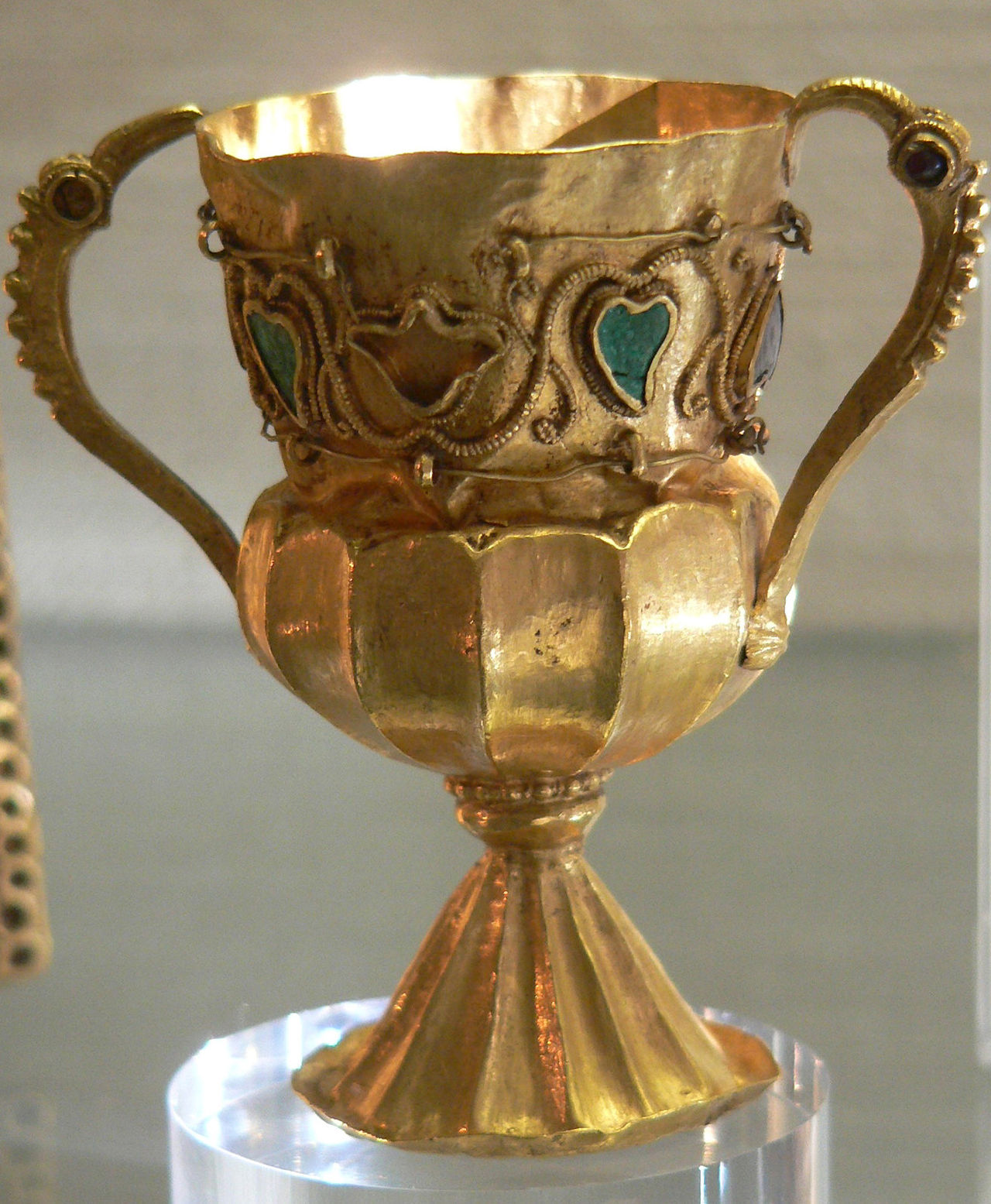
Archaeological evidence — grave goods, weaponry, metalwork and ecclesiastical architecture — attests to a distinctive early medieval culture that blended Germanic, Roman and Mediterranean influences. Coinage and inscriptions help trace political and economic networks, while church foundations reflect the dynasty’s role in spreading institutional Christianity.
Decline and Carolingian takeover
By the late seventh and early eighth centuries many Merovingian kings had become figureheads; real power rested with major aristocratic families and the mayors of the palace. The decisive transfer of authority came in the mid-eighth century when the ruling mayor from Pippin’s family assumed the kingship, marking the start of Carolingian control and the end of Merovingian dominance.
Legacy and study
The Merovingians are studied as a bridge between the late Roman world and medieval Europe. Their law codes, burial practices and royal rituals influenced later medieval institutions. Modern scholarship uses written sources, archaeology and comparative studies of Germanic and Mediterranean traditions to reassess Merovingian governance, identity and cultural exchange.
Further reading and resources
- Dynasty overview and genealogy
- Fifth-century context and the fall of Roman authority
- Seventh- and eighth-century transitions
- Germanic traditions and law
- Clovis and early Merovingian kings
- Merovech and dynastic origins
- Pippin and the rise of mayoral power
- Interactions with late Roman officials
- Geography of Gaul
- Legacy in what became France
- Merovingian political institutions
- The Frankish peoples and identity
- Carolingian succession and change
Related articles
Author
AlegsaOnline.com Merovingian dynasty Leandro Alegsa
URL: https://en.alegsaonline.com/art/64003