
Carolingian dynasty: Frankish rulers and the Carolingian Empire
Medieval Frankish dynasty (c. 8th–10th centuries) that rose from mayors of the palace to emperors under Charlemagne; notable for political reform, military expansion and the Carolingian Renaissance.
Overview
The Carolingian dynasty began as a leading Frankish noble family that came to dominate much of western Europe in the early Middle Ages. Members of the house first exercised power as mayors of the palace and later provided the ruling kings and regional princes who reshaped institutions inherited from earlier regimes such as the Merovingian dynasty. Their name commemorates an early leader of the family and reflects a lineage that combined military command, landholding and ecclesiastical patronage.
Image gallery
7 Images



Rise to power
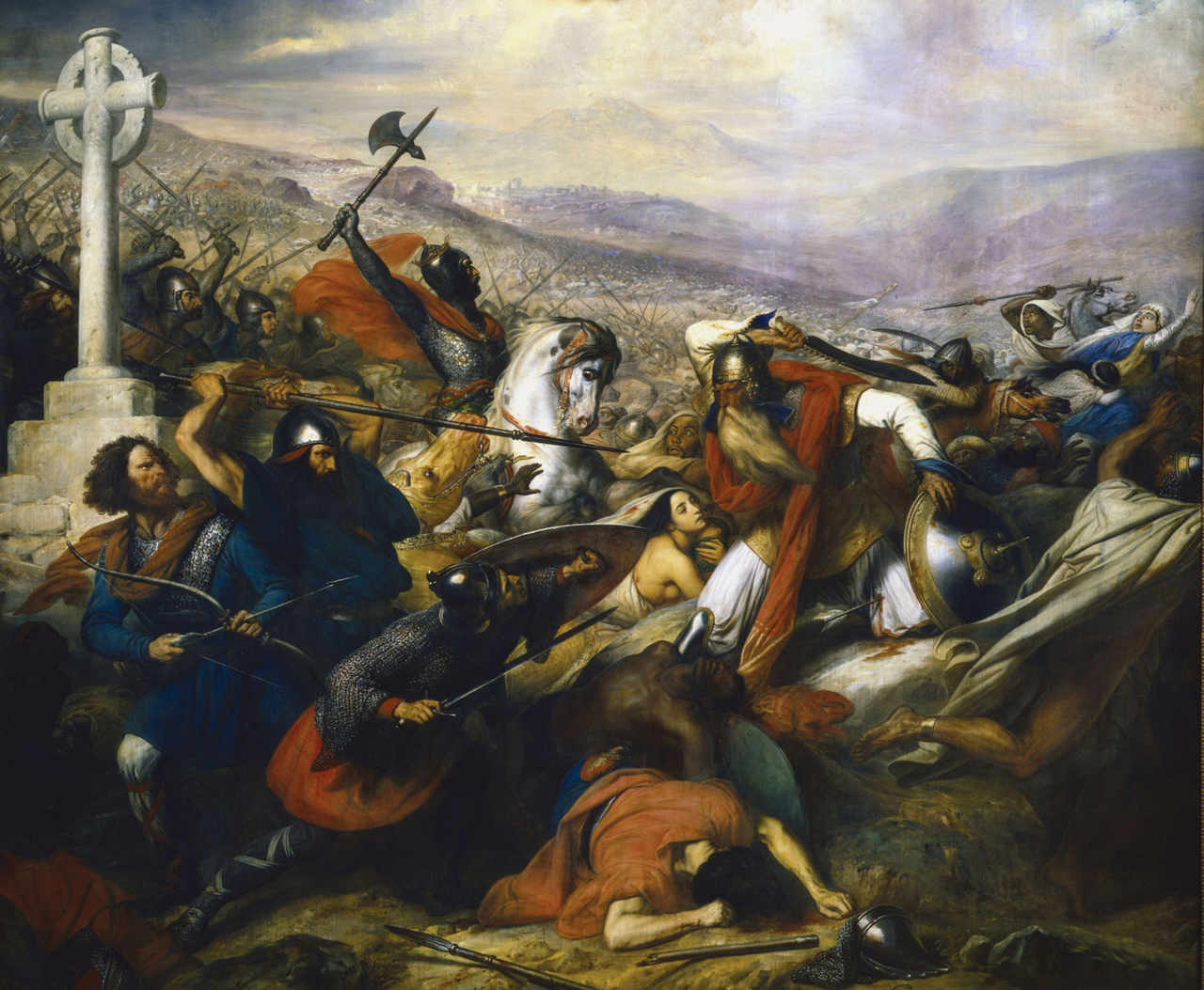
The family's emergence to supremacy was gradual and rested on military success, administrative skill and alliance with the church. Charles Martel consolidated authority as Mayor of the Palace and built a power base from which his sons, including Pepin III and Carloman, inherited responsibility. Defects in Merovingian royal power allowed the Carolingians to assert effective control over succession and government. When the last Merovingian king was set aside, papal approval in Rome and the actions of church leaders helped secure Pepin’s position as king; ceremonial acts such as anointing and the bestowal of a symbolic crown strengthened legitimacy and the new arrangement of sacred and secular authority.
Charlemagne and imperial ambitions
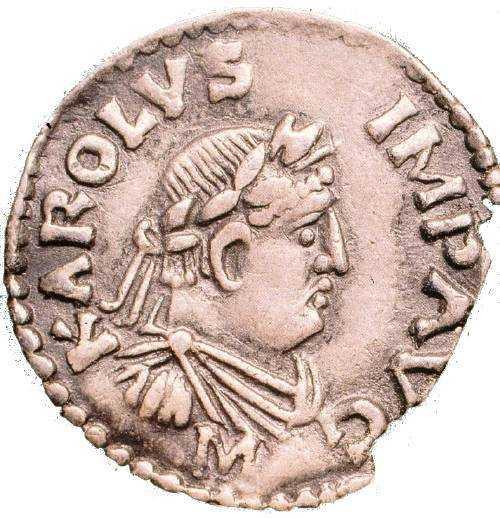
The most renowned Carolingian ruler, Charlemagne, expanded the realm through prolonged campaigns against neighboring peoples, including the Lombards, the Saxons and other groups on the empire’s frontiers. His reign combined military leadership with institutional reform: he fostered clearer lines of lordship, worked to standardize liturgy and law, and supported learning. In recognition of the revived notion of a western empire, Charlemagne was crowned Holy Roman Emperor in a ceremony associated with Pope Leo III, an event that had long-term consequences for relations between papacy and monarchy.
Government, administration and law
Carolingian governance blended Roman, Christian and Germanic practices. Royal authority was exercised through a network of counts, dukes and officials under direct royal supervision; itinerant inspectors known as missi dominici were dispatched to oversee local administration, justice and the enforcement of royal decrees. Rulers issued capitularies and sought to adapt customary law to wider territorial needs, while bishops and monasteries played a central role in documentation, schooling and the management of estates.
Culture and the Carolingian Renaissance
Beyond politics and warfare, the dynasty is associated with a revival of learning and artistic production often called the Carolingian Renaissance. This movement encouraged the copying of classical and Christian texts, improvements in script and book production, and the establishment of monastic and cathedral schools. Such cultural initiatives improved administrative capacity and left a lasting influence on medieval Latin learning and handwriting styles used in later medieval manuscripts.
Economy, society and military
The Carolingian realm rested on agrarian foundations and the obligations of land tenure. Military service, fortified centers and networks of royal vassals helped defend and project power. Lords and monasteries managed estates that produced food, resources and manpower; long-distance trade persisted in altered forms and cities served as administrative and ecclesiastical hubs. These social and economic patterns shaped how rulers could recruit armies, reward followers and sustain governance across diverse regions.
Division, decline and legacy
After the death of Charlemagne, his son Louis the Pious and later generations faced difficulties keeping the large realm intact. Dynastic partition, internal rivalry and external pressures weakened central authority. By the late 9th century the political unity of the empire had fragmented into several successor polities; over the following century new dynasties emerged in different regions and the Carolingian political predominance waned. Nonetheless, the dynasty bequeathed enduring institutions, legal precedents and a revived cultural and intellectual framework that influenced medieval Europe.
Notable figures
- Charles Martel — military leader and consolidator of family power
- Pepin III — first Carolingian king who secured papal approval
- Carloman — brother of Pepin who at one point withdrew from politics and became a monk
- Charlemagne — emperor, reformer and patron of learning
- Louis the Pious — successor whose reign saw contested succession
For concise introductions and specialised studies, readers may consult modern surveys of medieval history, editions of Carolingian capitularies and collections of contemporary annals. Church records and surviving manuscripts are primary sources for research into the dynasty’s religious and cultural programs; archaeological evidence and numismatic studies further illuminate economic and military aspects of Carolingian rule. For background on the broader context of the period, see works on the transformation of Roman institutions, the role of the papacy (the pope) and the politics centered in Rome.
Questions and answers
Q: Who was the most famous member of the Carolingian dynasty?
A: The most famous member of the Carolingian dynasty was Charlemagne.
Q: What did Charles Martel mean in Frankish?
A: Charles Martel meant "the hammer" in Frankish.
Q: How did Pepin III become king of the Franks?
A: When the last Merovingian king, Childeric III, was deposed by the Pope in Rome, Pepin III was made king of the Franks. Pope Stephen III traveled to France and placed a crown on his head.
Q: What did Charlemagne earn his name for?
A: Charlemagne earned his name "Charles the Great" (Charlemagne) by defeating the Lombards, Saxons, and Avars.
Q: Who crowned Charlemagne as Holy Roman Emperor?
A: Charlemagne was crowned Holy Roman Emperor by Pope Leo III in 800.
Q: Who inherited the kingdom after Louis?
A: After Louis inherited the kingdom, it passed down to his son and grandsons.
Q: Why did the Carolingian Empire come to an end?
A: By 9th century, due to its decline, The Carolingian Empire came to an end with collapse of its empire and dynasty.
Author
AlegsaOnline.com Carolingian dynasty: Frankish rulers and the Carolingian Empire Leandro Alegsa
URL: https://en.alegsaonline.com/art/17203
Sources
- ic.galegroup.com : "Carolingian dynasty"
- heeve.com : "Fall of the Carolingian Empire"