
Gaul: the ancient region and peoples of Western Europe
Gaul (Latin Gallia) was an ancient region of Western Europe inhabited by Celtic-speaking tribes; this article covers its geography, peoples, language, Roman conquest, and cultural legacy.
Overview
Gaul (Latin: Gallia) was the name used by the Romans for a broad area of ancient Western Europe inhabited largely by Celtic-speaking tribes. The term referred not to a single political unit but to a collection of tribal territories and settlements that shared certain cultural and linguistic traits. The Roman writers used the label in the context of administration, warfare and geography; in modern scholarship it denotes a region that included much of what is now Western Europe.
Image gallery
10 Images






Geography and peoples
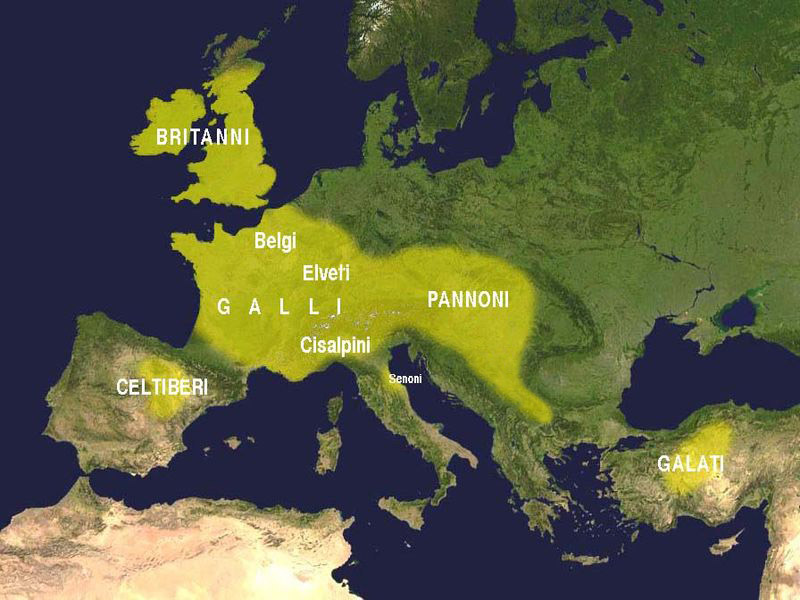
At its greatest extent Gaul encompassed regions that correspond to modern northern Italy, most of France, Belgium, western Switzerland and parts of the Netherlands and western Germany west of the Rhine. The landscape ranged from Atlantic coasts and river plains to uplands and the edges of the Alps, producing a variety of local economies and settlement patterns.
The inhabitants are commonly called Gauls in English, though they were organized as numerous tribes — such as the Aedui, Sequani, Arverni and many others — each with its own leaders and territories. Roman and Greek sources used the ethnonym to group these diverse communities together, while some modern writers also equate the term with speakers of the Gaulish language.
Language and culture
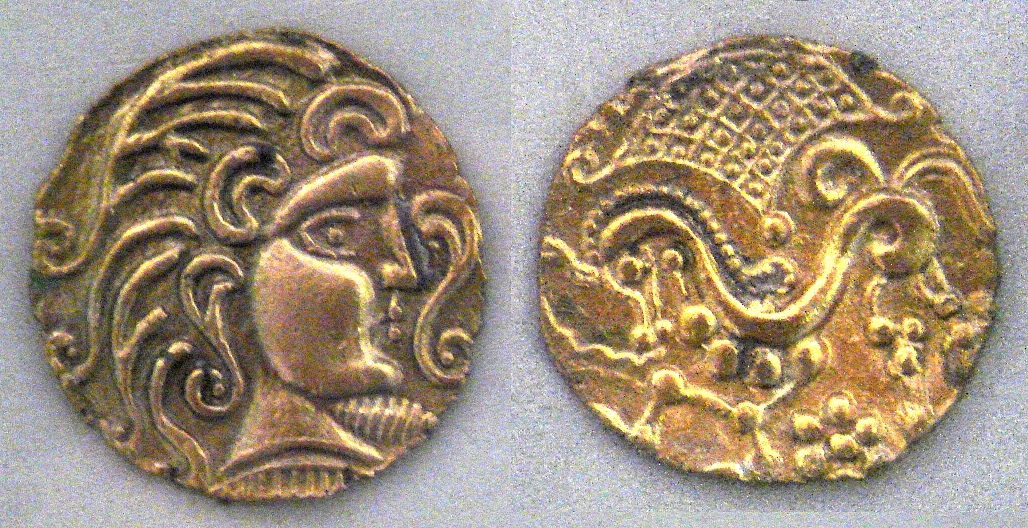
Gaulish was a Continental Celtic language related to the tongues spoken across Iron Age Europe. Though now extinct, it is attested in inscriptions and personal and place names. Cultural practices included agriculture, metalworking, artisanal craft, and ritual activities; material evidence shows trade with the Mediterranean world as well as local production. Social structures were often tribal and kin-based, with elites, warriors, and religious specialists playing prominent roles.
History and Roman contact
Contact with Rome and the Mediterranean accelerated from the 4th century BCE onward. Gaulic groups sometimes raided into Italy — a famous episode traditionally dated to c. 390 BCE involved a Gaulish sack of Rome after the Battle of the Allia. Over the 2nd and 1st centuries BCE Roman campaigns, diplomacy, and settlement gradually brought most of Gaul under Roman control, culminating in the campaigns of Julius Caesar in the 50s BCE and the administrative reorganization that followed.
Legacy and importance
Under Roman rule Gaul was integrated into the Empire as several provinces; this period left lasting marks on language, urbanism, and infrastructure. Latin gradually replaced Gaulish in most regions, giving rise to the Gallo-Romance languages that would evolve into modern French and other dialects. The memory of the Gauls also became part of later national histories and cultural identities, notably in France where the figure of the Gaul has been reinterpreted at different times.
Notable facts and distinctions
- "Gaul" was a Roman geographical and political term rather than a single ethnic state.
- Not all Celtic-speaking peoples of ancient Europe were called Gauls; the label applied mainly to those west of the Rhine.
- Modern terms such as the French Gaulois reflect both historical usage and later cultural appropriation.
For readers wishing to follow specific regional or archaeological studies, see introductions to Celtic languages, Roman provincial administration, and Iron Age material culture in general surveys and specialized works on ancient France and neighbouring lands. Many museums and archaeological sites reconstruct aspects of Gallic life and their encounters with the Roman world.
Further reading and resources may be found through academic portals and national heritage sites that discuss regional finds, tribal lists and the dynamics of Rome's expansion into Belgium, Switzerland, the Netherlands and Germany. These materials help clarify how a loose collection of tribes came to be grouped in antiquity under the single geographic label "Gaul."
Scholars continue to refine our understanding of Gaul through inscriptional evidence, archaeology and the careful reading of classical sources, balancing literary accounts with material data to reconstruct a complex and changing landscape of peoples and practices.
Questions and answers
Q: What was Gaul?
A: Gaul was an area in Western Europe that included northern Italy, France, Belgium, western Switzerland, and parts of the Netherlands and Germany on the west bank of the Rhine river.
Q: What tribes lived in Gaul?
A: Many Celtic tribes lived in Gaul and were known by the Romans as "Gauls".
Q: What does the word "Gaul" mean in English?
A: In English, the word "Gaul" may mean a Celtic inhabitant of the region or all ancient speakers of the Gaulish language.
Q: How are "Gaul" and "Celt" sometimes used?
A: "Gaul" and "Celt" are sometimes used in the same sense.
Q: Who was Brennus?
A: Brennus was a leader of the Gauls who attacked Rome and led the Battle of the Allia in 390 BC.
Q: When did the Battle of the Allia take place?
A: The Battle of the Allia took place in 390 BC.
Q: What did Brennus and the Gauls do during the Battle of the Allia?
A: Brennus and the Gauls attacked and defeated the Roman army during the Battle of the Allia.
Related articles
Author
AlegsaOnline.com Gaul: the ancient region and peoples of Western Europe Leandro Alegsa
URL: https://en.alegsaonline.com/art/37740