
8th century (701–800): political, cultural, and economic transformations
Overview of the 8th century (701–800), covering major events, regional developments, religious shifts, trade and cultural achievements that shaped medieval Eurasia and beyond.
Overview
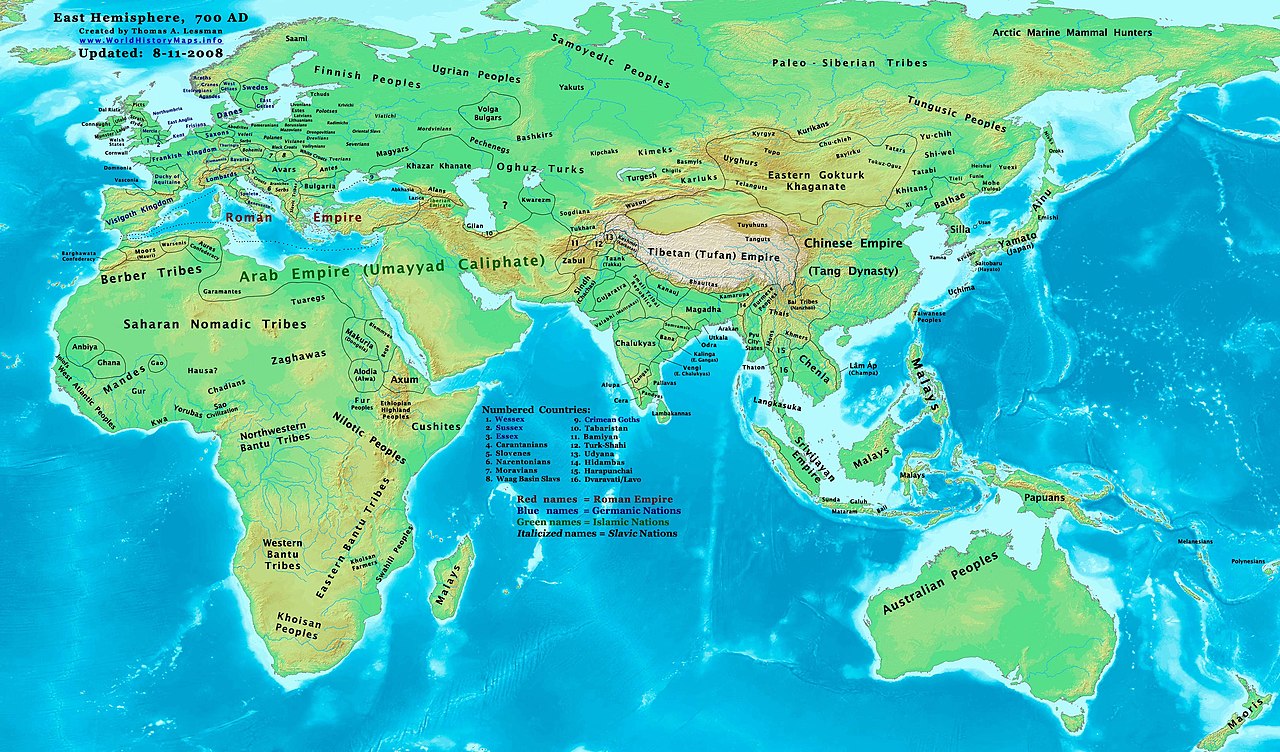
The 8th century covers the years 701 to 800. It was a period of significant change across Eurasia and parts of Africa and the Americas, marked by large political shifts, religious movements, expanding trade routes, and cultural exchange. Several states rose or reformed, long-distance commerce intensified, and new patterns of migration and raiding began to reshape the map.
Image gallery
6 Images


Major political and military developments
This century saw the collapse and renewal of major polities: the Islamic world experienced the fall of one ruling house and the establishment of another, creating a new center of power. In Western Europe, the foundations of a consolidated Frankish authority were laid, culminating in a royal ascent at the end of the century. In East Asia, a great imperial dynasty faced a devastating rebellion that weakened central control even as cultural life continued to flourish.
Religious and cultural change
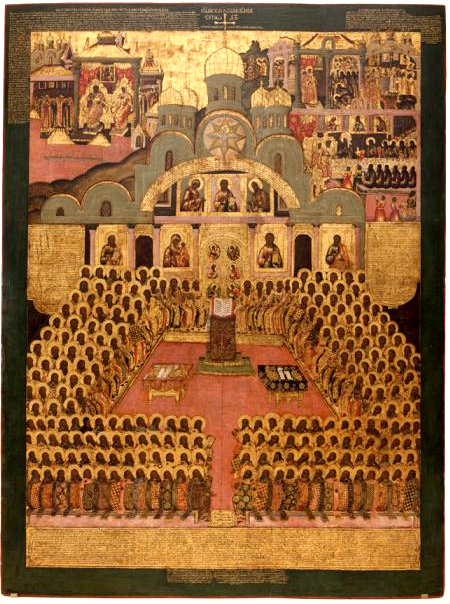
Religions spread and adapted: Islam continued to expand and shape political life, Christianity remained central in Europe and Byzantium, and Buddhism influenced court culture in East Asia. Artistic production, manuscript culture, and architectural projects advanced in many regions, often reflecting mixed influences carried by merchants, pilgrims, and diplomats.
Trade, technology and society
Silk Road and maritime networks carried goods, ideas, and technologies between distant regions. Maritime powers in Southeast Asia consolidated control of sea lanes, while trans-Saharan and Mediterranean exchanges grew. Urban centers and courtly cultures supported new scholarly and religious institutions that would have long-term effects.
Regional snapshots
- Western Europe: consolidation of Frankish power and military contests with external forces.
- Islamic world: a major dynastic transition and expanded cultural influence.
- East Asia: high culture under a dominant dynasty weakened by internal revolt.
- Scandinavia and the North Atlantic: the first recorded raids that herald a new maritime phase.
- Africa and the Americas: regional polities grew and local trajectories set the stage for later developments.
The 8th century is notable for setting in motion patterns—political realignments, religious spread, and long-distance trade—that shaped the medieval world that followed.
Related articles
Author
AlegsaOnline.com 8th century (701–800): political, cultural, and economic transformations Leandro Alegsa
URL: https://en.alegsaonline.com/art/113104