
Max Ernst: German Surrealist Artist and Innovator
Max Ernst (1891–1976), German-born painter, sculptor and poet, pioneered Surrealist techniques such as frottage and grattage and blended collage, myth and chance to reshape 20th-century art.
Max Ernst was a German-born artist whose work helped define Dada and Surrealism in the 20th century. Trained initially in painting, he became a restless experimenter across media — producing paintings, collages, prints, and later sculptures. His visual language mixed dream imagery, found materials and mechanical processes, giving his pieces an uncanny, often mythic quality. Born in 1891, Ernst spent pivotal years in Cologne and Paris before emigrating briefly to the United States and later returning to France; he died in 1976.
Image gallery
10 Images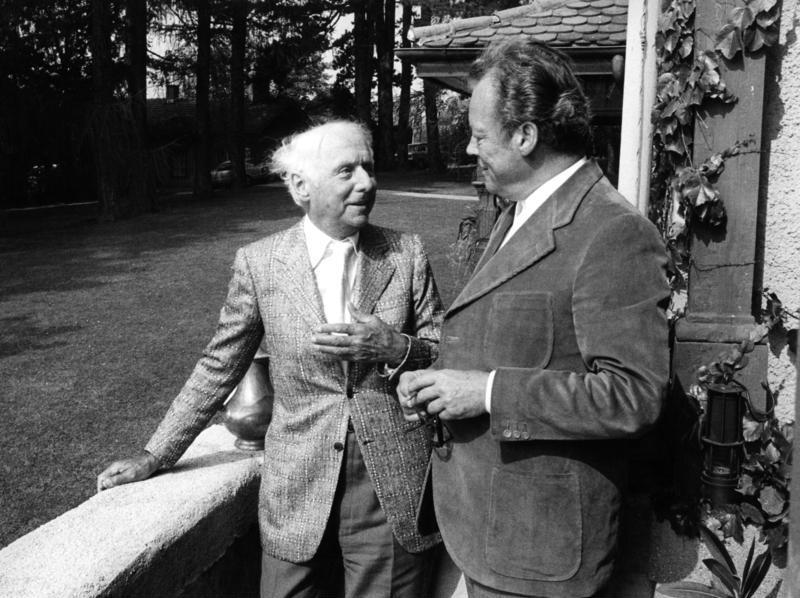



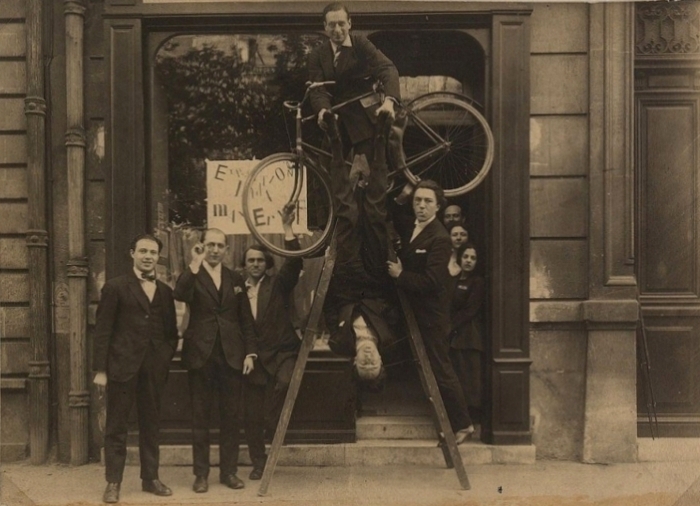
Artistic affiliations and biography
After World War I Ernst helped bring the anti-establishment movement of Dadaism to Germany, collaborating with figures such as Johannes Theodor Baargeld. In the early 1920s he left Germany for Paris, where he joined the circle of Surrealists led by André Breton. That community encouraged exploration of the unconscious, chance operations and symbolic motifs; Ernst blended these ideas with his own interest in collage, automatism and the material properties of paint and canvas.
Techniques and methods
Ernst is best known for inventing or popularizing experimental techniques that produce unexpected textures and images. He used frottage (rubbing pencil or charcoal over textured surfaces) and grattage (scraping paint off a prepared surface) to reveal patterns and suggest landscapes or creatures. He also exploited photomontage and found-paper collage to assemble new narratives from pre-existing imagery. These methods made chance and surface as important as subject, and they became widely influential among later artists.
Motifs, notable works and themes
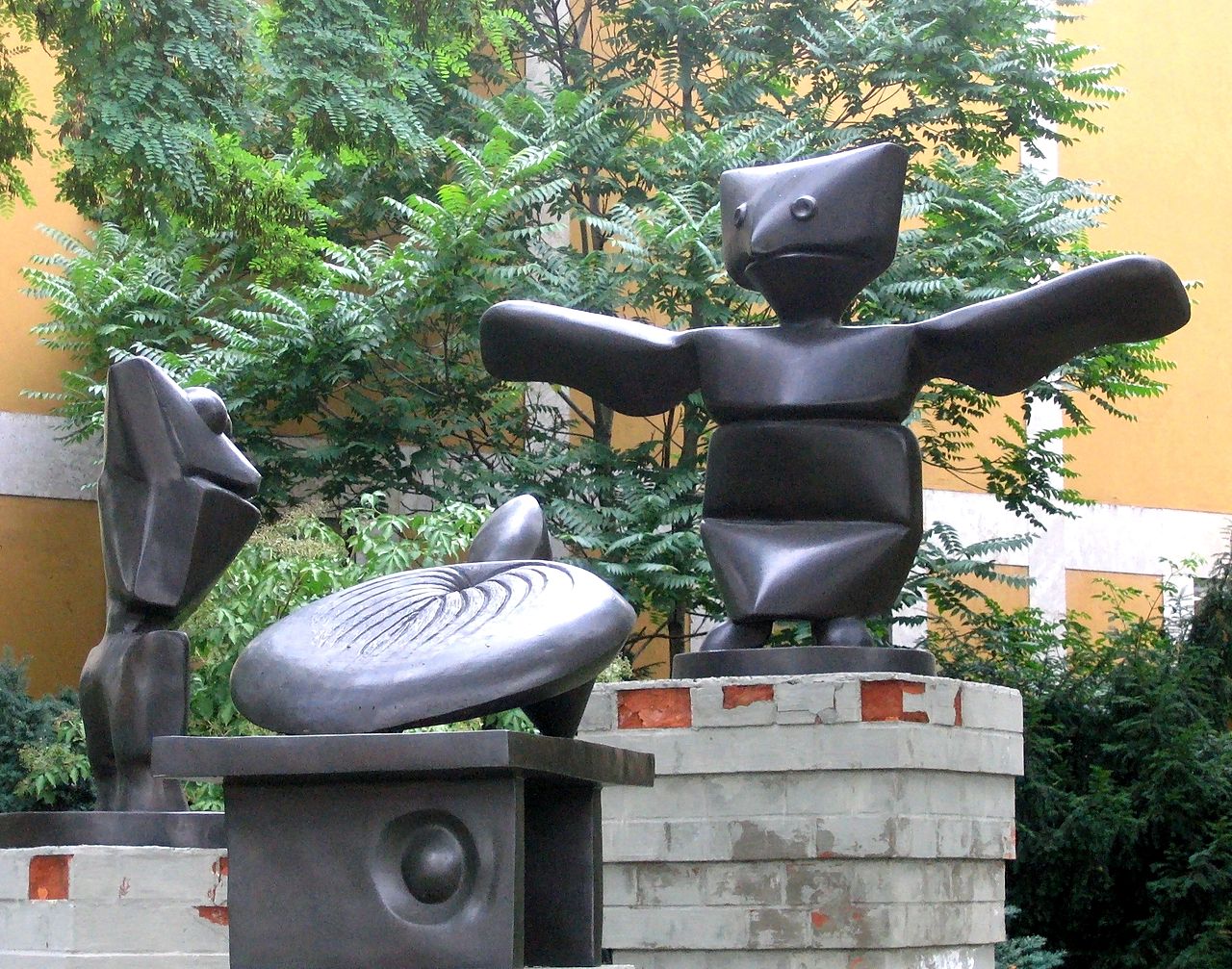
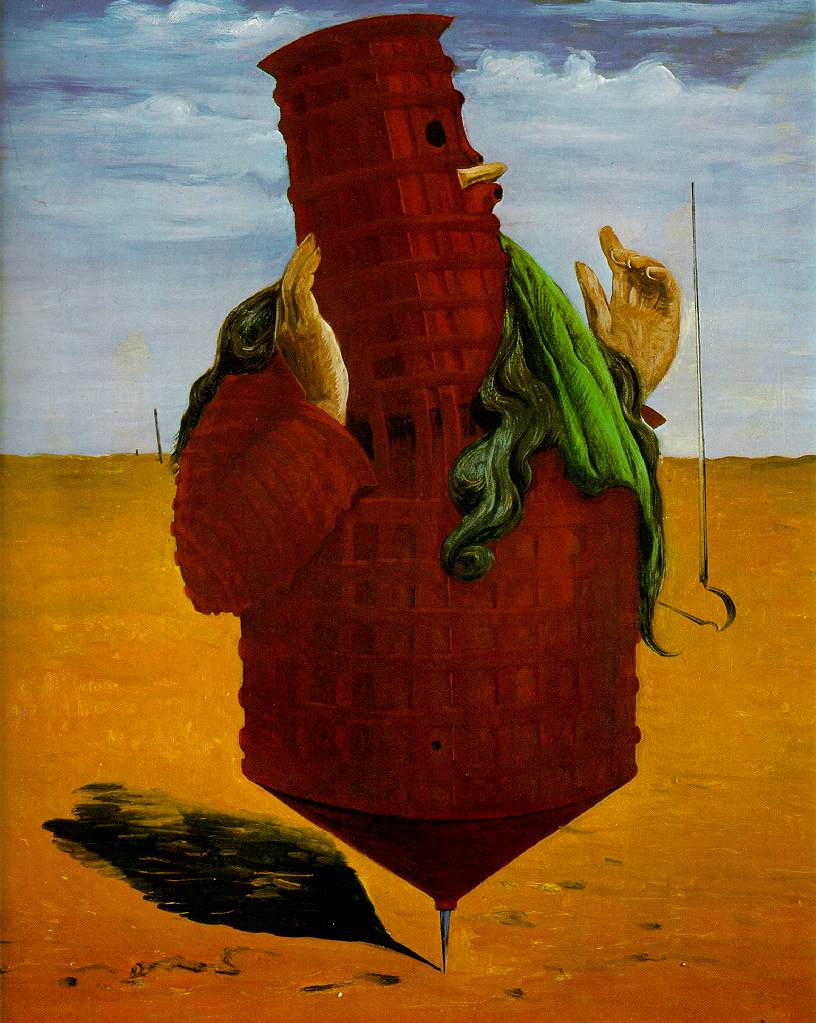
Recurring motifs in Ernst’s work include hybrid animals, ruined architectures and a bird figure he often called Loplop — an avian alter ego that appears in prints, books and painted compositions. Other works present vast, petrified plains that read like memory-scapes: dense, textured scenes that can evoke a forest or a ruined city. His collages assembled cutouts from periodicals into absurd or ominous juxtapositions; his paintings sometimes recall the mechanical while suggesting organic transformation. Viewers can find these tendencies in well-known pieces that combine playfulness with unsettling ambiguity.
Writings, collaborations and influence
In addition to visual art, Ernst wrote poems and theoretical texts and collaborated with poets and fellow Surrealists. His interdisciplinary approach helped bridge Dada’s iconoclasm and Surrealism’s psychological inquiry. Museums and scholars point to his role in expanding what painting could do: treating texture, found imagery and technique as carriers of meaning rather than mere decoration.
Techniques, recurring subjects and lasting legacy
- Key methods: frottage, grattage, collage, photomontage and experimental printmaking.
- Recurring subjects: hybrids, bird-figures (see references to birds), mythic landscapes and mechanized forms.
- Geographic milestones: early Dada activity in Germany, creative maturity in Paris, a sojourn in the United States and a return to France.
Ernst’s restless inventiveness broadened the vocabulary of modern art. His willingness to combine popular imagery, automatic techniques and handcrafted processes left a durable mark on painting, collage and sculpture. For further study see exhibition catalogues and monographs available through major museum collections and art-historical resources (Dada, Surrealism, and related scholarship provide useful contexts).
Related articles
Author
AlegsaOnline.com Max Ernst: German Surrealist Artist and Innovator Leandro Alegsa
URL: https://en.alegsaonline.com/art/63006