
Medical illustrator: role, techniques, history and applications
A medical illustrator creates accurate visual materials for biology and medicine, using traditional and digital media for education, research, publishing, and clinical communication.
Overview
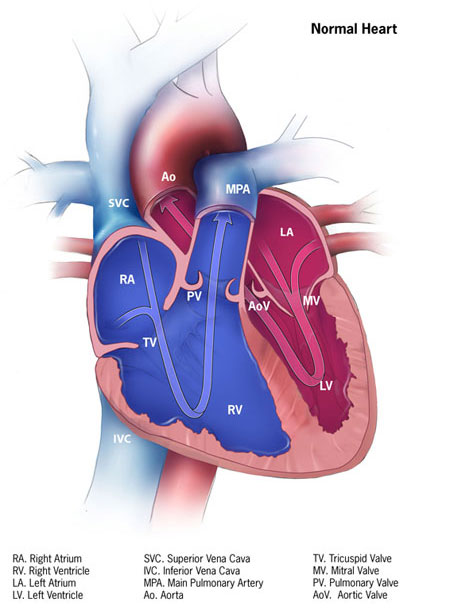
A medical illustrator is a professional artist who specializes in producing images that explain, document, or teach concepts in biology and medicine. Their work bridges science and visual communication: they translate complex anatomical structures, clinical procedures, and biomedical research into images that are both precise and accessible. Medical illustrators may create still images, animations, interactive visuals, or surgical diagrams and often collaborate with clinicians, researchers, educators, and publishers. For general information about the art profession see art resources for professionals.
Image gallery
3 Images

Techniques and media
Historically, medical illustration relied on pen-and-ink drawings, watercolor, and lithography for textbooks and journals. Today most practitioners combine traditional drawing skills with digital tools to produce 2D and 3D work. Typical techniques include:
- Scientific drawing: precise line work to show anatomy or microscopic detail.
- Digital painting and rendering: color illustrations created with tablets and software.
- 3D modeling and animation: virtual reconstructions of organs, cells, or procedures used in animations and simulations.
- Interactive media: web-based modules, augmented reality, and apps for teaching and patient education.
Medical illustrators must understand biological form and function as well as visual storytelling and design. For overviews of biological topics often illustrated by these professionals see biology resources.
History and professional development
The practice of illustrating medical subjects dates back centuries to anatomists and artists who worked together to record discoveries. Over time, specialized training emerged that combined art and science; many medical illustrators today hold degrees in medical or biological illustration, fine arts with scientific coursework, or related programs. Professional standards and continuing education are supported by organizations and journals in the field; for clinical and medical context see medical resources.
Roles, settings, and responsibilities
Medical illustrators work in diverse settings: academic medical centers, publishing houses, museums, biotechnology and pharmaceutical companies, advertising, legal and forensic contexts, and educational technology firms. Beyond making images they often act as consultants, advising on visual strategy, content accuracy, and regulatory compliance. Some take administrative roles in biocommunication departments or direct multimedia teams. Examples of consulting and client collaboration include consulting services and institutional coordination.
Applications, ethics, and notable distinctions
Common uses for medical illustration include textbooks, journal figures, patient education materials, surgical atlases, instructional videos, marketing for medical products, courtroom exhibits, and public health campaigns. Because these images can influence understanding and decision-making, illustrators must balance clarity with fidelity and respect for patient privacy. They follow ethical guidelines and often work with clinicians to verify accuracy. Administrative and standard-setting functions in the field are discussed by organizations focused on biocommunication and practice standards: administration and standards.
Whether working in traditional print or producing immersive simulations, medical illustrators play a critical role in turning scientific knowledge into usable visual information. Publishers, educators, and healthcare teams rely on their work; for information about publishers and educational outlets that commonly use medical illustration, see textbooks and educational publishers.
Questions and answers
Q: What is a medical illustrator?
A: A medical illustrator is a professional artist who works to use art to help explain and record knowledge related to biology and medicine.
Q: What else can medical illustrators do besides making medical pictures?
A: Medical illustrators can work as consultants or administrators in the field of biocommunication.
Q: Where are medical pictures made by medical illustrators commonly found?
A: Medical pictures made by medical illustrators are commonly found in textbooks and advertisements about medicine, as well as professional journals and videos made to help instruct people in various medical procedures.
Q: What is the purpose of medical pictures made by medical illustrators?
A: The purpose of medical pictures made by medical illustrators is to help explain and record knowledge related to biology and medicine.
Q: How do medical illustrators create their artwork?
A: Medical illustrators use original and modern ways of doing things to create their artwork.
Q: What is biocommunication?
A: Biocommunication is a field where medical illustrators can work as consultants or administrators.
Q: What kind of knowledge related to biology and medicine can medical illustrators help to explain and record?
A: Medical illustrators can help to explain and record knowledge related to biology and medicine through their artwork.
Related articles
Author
AlegsaOnline.com Medical illustrator: role, techniques, history and applications Leandro Alegsa
URL: https://en.alegsaonline.com/art/63411