
Surrealism: origins, methods, major figures and cultural legacy
Surrealism is a 20th-century avant‑garde movement that explored unconscious processes, dream imagery and unexpected juxtapositions; it reshaped art, literature, film and visual culture worldwide.
Overview
Surrealism was an avant‑garde cultural and artistic movement that coalesced in the early 1920s around shared interests in dreams, the unconscious and methods for releasing creative thought from rational constraint. It produced work across painting, sculpture, literature, theatre, film, photography and design. Rather than a single unified style, Surrealism is best understood as a constellation of practices and theoretical positions united by an interest in chance, the irrational, and the expressive potential of mental processes ordinarily hidden from conscious awareness.
Image gallery
10 Images




Origins and historical context
Surrealism grew out of earlier experimental currents and the upheavals of the First World War. Dadaist provocations and anti‑art practices provided a crucial precedent for artists who sought to reject accepted aesthetic norms. Interest in contemporary psychoanalytic ideas, most notably those of Sigmund Freud, gave writers and artists conceptual tools for thinking about dreams, free association and the unconscious. The term itself appeared before the formal organization of the movement: a usage in 1917 described a kind of "super‑realism" in theatrical program notes connected with a collaborative ballet project. By the early 1920s a group centred in Paris began to publish, exhibit and debate, and André Breton’s 1924 Surrealist Manifesto offered a widely cited programmatic statement.
André Breton and the manifesto
André Breton, originally trained in the medical and psychiatric milieu, became one of the most visible spokespeople for early Surrealism. His 1924 manifesto defined Surrealism in terms of "psychic automatism": the attempt to express the true functioning of thought in the absence of rational control, aesthetic dogma or moral preoccupation. Breton’s writing combined political ambitions with literary and theoretical experimentation; his leadership helped organise journals, exhibitions and the core group of collaborators, though the movement always contained internal disputes and diverse tendencies.
Key methods and techniques
Surrealists developed a range of experimental procedures aimed at evading conscious control and permitting surprising associations to surface. Major methods include:
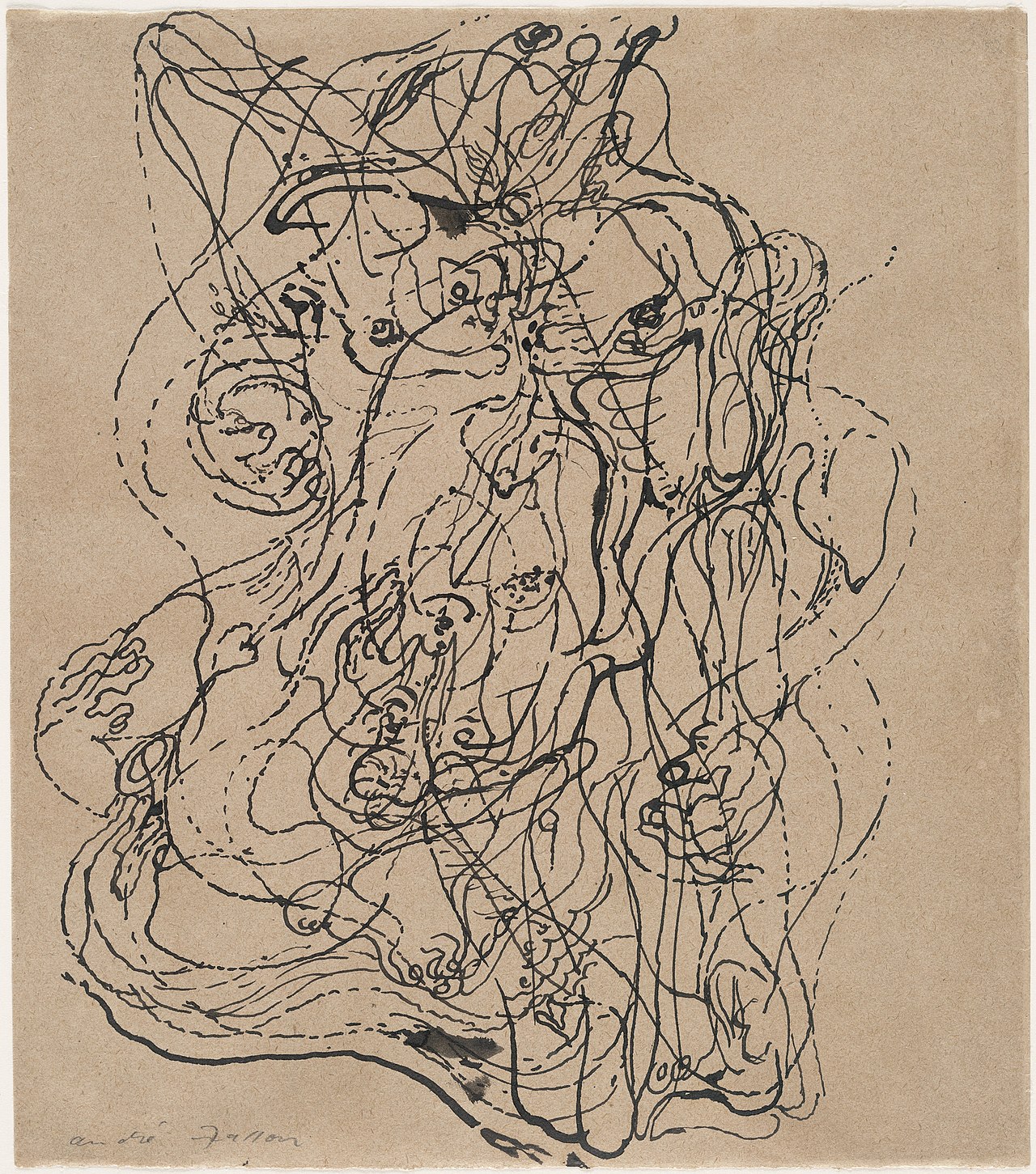
- Automatism — spontaneous writing or drawing intended to let the hand move without censorship from reason.
- Dream analysis — using dreams or hypnagogic states as material and models for composition.
- Collage and assemblage — joining unrelated photographs, printed matter or objects to create new meanings by juxtaposition.
- Paranoiac‑critical method — a strategy for generating multiple interpretations by deliberately cultivating ambiguous perceptions.
- Exquisite corpse and other collective games — collaborative exercises that produced unexpected narratives or images.
Visual arts and representative practices
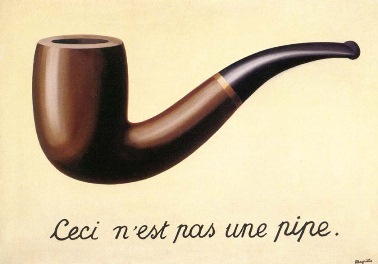
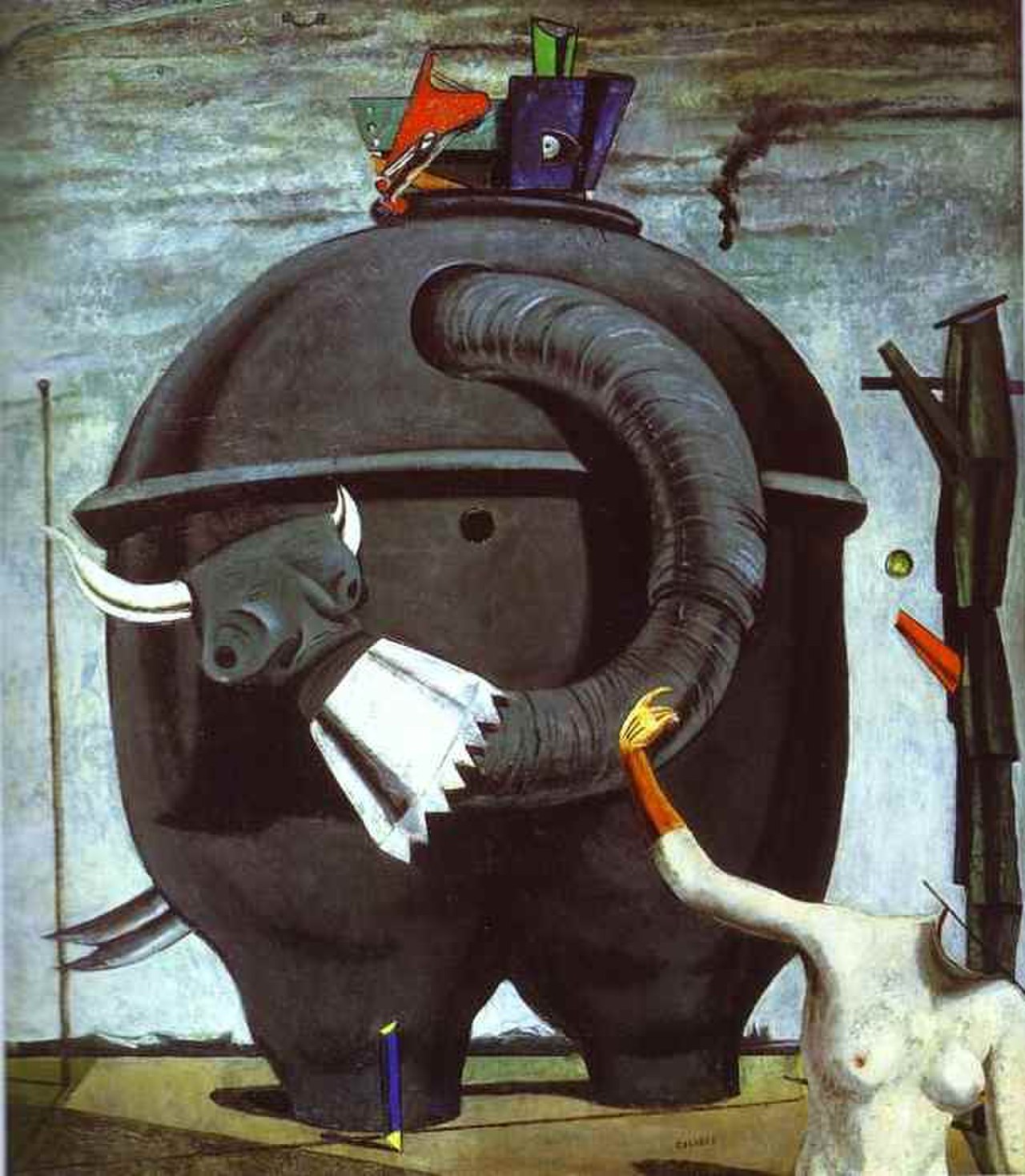
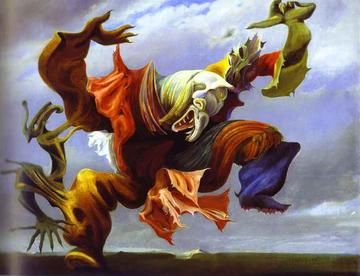
Surrealist painters and sculptors pursued varied aims. Some, like Salvador Dalí, used highly finished, illusionistic techniques to render fantastical scenes with startling clarity; others, such as Max Ernst and Joan Miró, emphasised automatic processes, collage or biomorphic forms. René Magritte is known for deceptively simple images that challenge perception and meaning. Photography and experimental print media also became important media for exploring Surrealist ideas. Across these practices the work often invites the viewer to confront unfamiliar combinations of objects and spaces, producing a sense of the uncanny or a reorientation of everyday perception.
Literature, theatre and film
Surrealist writers continued and transformed literary genres through automatic writing, poetic collage and prose that blurred dream and waking experience. Plays and theatrical experiments sought to interrupt narrative continuity and stage the intrusion of irrational moments. Filmmakers working within or influenced by Surrealism—most famously Luis Buñuel, often in collaboration with Dalí—made short and feature films that use shock, discontinuity and dream logic to disrupt conventional narrative expectation. Surrealist strategies also proved influential in later avant‑garde and mainstream cinema.
Politics, organisation and debates
From the 1920s many Surrealists engaged with political questions; some members aligned with leftist movements and saw Surrealism as having revolutionary potential beyond aesthetics. The group held lively internal debates about the relationship between art and politics, the role of collective action, and the boundaries of acceptable practice. These arguments contributed to ongoing factionalism and to the movement’s complex institutional history, including the production of journals and public exhibitions that circulated Surrealist ideas internationally.
International spread and influence
Though Paris was a central hub, Surrealist ideas spread quickly across Europe and to the Americas. Artists and writers adopted, adapted and contested Surrealist procedures in local contexts, creating multiple national inflections of the movement. Over the course of the 20th century Surrealist imagery and techniques entered popular culture, advertising, fashion and music, and they informed later artistic movements including Abstract Expressionism, Pop Art and various forms of contemporary art that explore altered states, memory and perception.
Later developments and contemporary perspectives
After the Second World War the explicit organisational force of Surrealism diminished, but the movement’s conceptual and aesthetic resources continued to be reworked. In recent decades scholars and artists have revisited Surrealism’s relationships to gender, colonialism and science, and some contemporary practitioners have proposed new variations on Surrealist aims. One label that has appeared in contemporary discourse is "Transcendental Surrealism": a term used by some artists to describe work that emphasises sustained imaginative processes, altered perception and contemplative tempo as distinct emphases within a broadly Surrealist inheritance. Such proposals are best understood as individual reinterpretations rather than as a single, unified successor to classical Surrealism.
Criticism and interpretation
Critics have praised Surrealism for its radical experiments with form and its capacity to challenge habitual perception, while others have critiqued aspects of the movement, including its gender politics, occasional authoritarian tendencies within group leadership, or the limits of psychoanalytic frameworks when taken as total explanations for creativity. Contemporary scholarship tends to place Surrealism in its historical contexts while also examining its lasting influence across disciplines.
Practices and exercises for study
Students and artists interested in Surrealist methods can experiment with automatic writing, collective collage, dream journals, and exercises that encourage associative thinking. These practices are intended to disrupt habitual modes of thought and generate unexpected material for creative development. When used critically, they can also serve as tools for exploring personal narrative, memory and perception in contemporary artistic work.
Further reading and resources
- Primary sources and manifestos
- Surrealism in cultural context
- Early theatrical influences and Parade
- Jean Cocteau and early collaborators
- Music and Surrealist projects
- Pablo Picasso and Surrealist intersections
- Dada and anti‑art antecedents
- World War I and the cultural aftermath
- Psychoanalysis and artistic influence
- André Breton and group leadership
- Surrealism and clinical practices
- Trauma, shell‑shock and creative response
- The unconscious in art and theory
- Behavioral and emotional themes
- Aesthetic versus moral concerns in practice
- Dream analysis and artistic methods
- Surrealism and political engagement
- Paris as a Surrealist center and global spread
This article provides a concise introduction; readers who wish to explore further may consult primary manifestos, exhibition catalogues and specialised studies that examine particular national traditions, artists or theoretical debates.
Questions and answers
Q: What is Surrealism?
A: Surrealism is an art and cultural movement that began in the early 1920s. It was a protest against the meaninglessness of civilised life, influenced by Sigmund Freud's work on the subconscious mind, and was defined by André Breton as "psychic automatism in its pure state".
Q: Who wrote the program notes for Ballets Russes of Serge Diaghilev?
A: Guillaume Apollinaire wrote the program notes for Ballets Russes of Serge Diaghilev.
Q: What did Freud's work focus on?
A: Freud's work focused on the subconscious mind and its role in steering behaviour and emotion. He used free association and dream analysis to get a clue to the subconscious which was picked up by surrealists.
Q: When was Surrealist Manifesto written?
A: The Surrealist Manifesto was written in 1924 by André Breton.
Q: What does Transcendental Surrealism stand for?
A: Transcendental Surrealism stands as an evolution and redefinition of classical Surrealism, presented in 2018 by Greek visual artist-architect Giorgios (Gio) Vassiliou (b. 1970). It is based on a completely new theory and philosophy that follows ideas from Visual Arts, Psychology, Physics, and visual perception of physical world.
Q: What are three foundamental elements of Transcendental Surrealism?
A: The three foundamental elements of Transcendental Surrealism are transcendental perception, creative imagination, and slow current of thought.
Related articles
Author
AlegsaOnline.com Surrealism: origins, methods, major figures and cultural legacy Leandro Alegsa
URL: https://en.alegsaonline.com/art/95196
Sources
- groveart.com : GroveArt.com