
Collage: Technique, history, materials, and uses
Collage is an art technique that assembles cut paper, photographs, fabric and found objects on a support. This article outlines its materials, origins, variations such as photomontage and assemblage, and conservation issues.
Overview
Collage is a visual-art technique in which multiple elements—paper, photographs, fabric, printed ephemera or small three-dimensional objects—are affixed to a backing to create a unified composition. Unlike a standard painting made entirely with brush and pigment, collage depends on preexisting fragments and their juxtaposition to build meaning. The term can describe both the finished work and the method; for general background see collage resources.
Image gallery
10 Images




Materials and common techniques
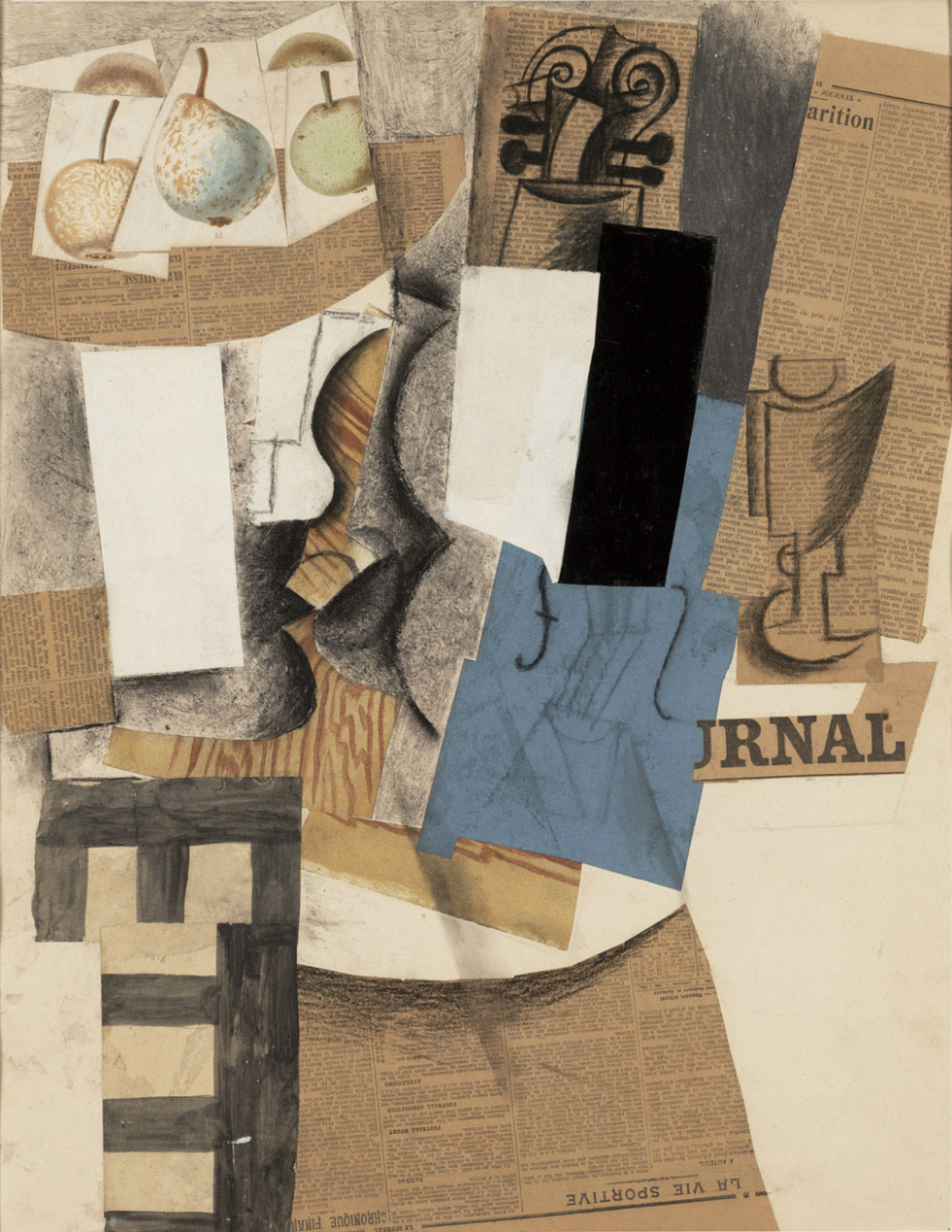
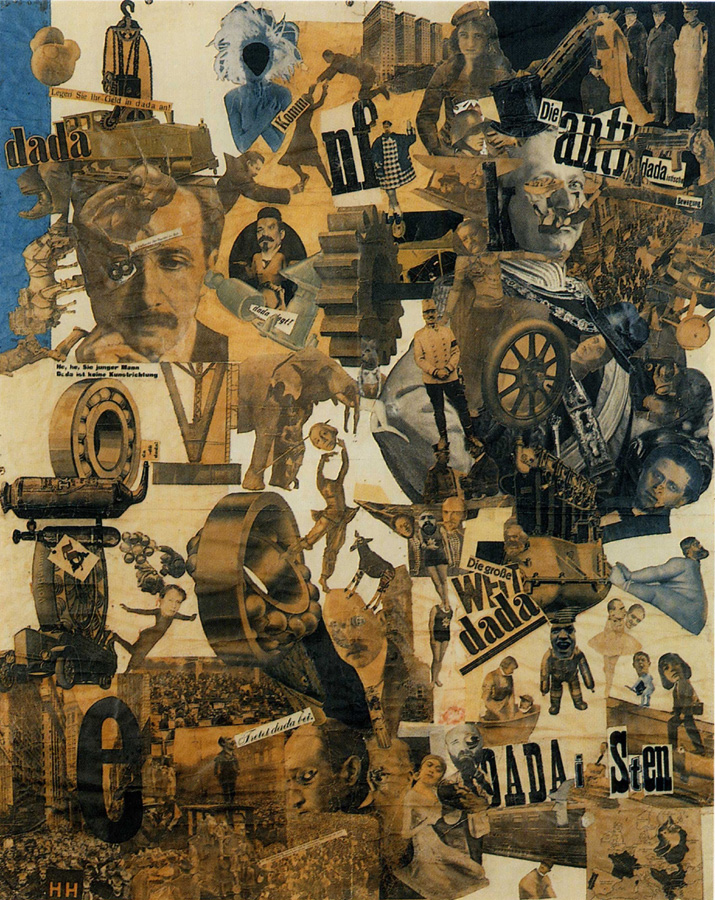
Typical materials include newspapers, magazine clippings, photographs, wallpaper, textiles, cardboard and thin wood panels. Adhesives range from archival glues to spray adhesives and wheat paste. Artists may combine collage with drawing or painting—when paint or other media are integrated, the result is often called mixed media. Related practices include decoupage (decorative paper application) and photomontage (compositions built primarily from photographic images); for examples consult technique guides.
- Cut-and-paste collage using scissors or knives.
- Photomontage assembled from enlarged or trimmed photographs.
- Digital collage composed with image-editing software.
- Assemblage—three-dimensional construction from found objects.
- Décollage—creating images by tearing away layers rather than adding them.
Origins and development
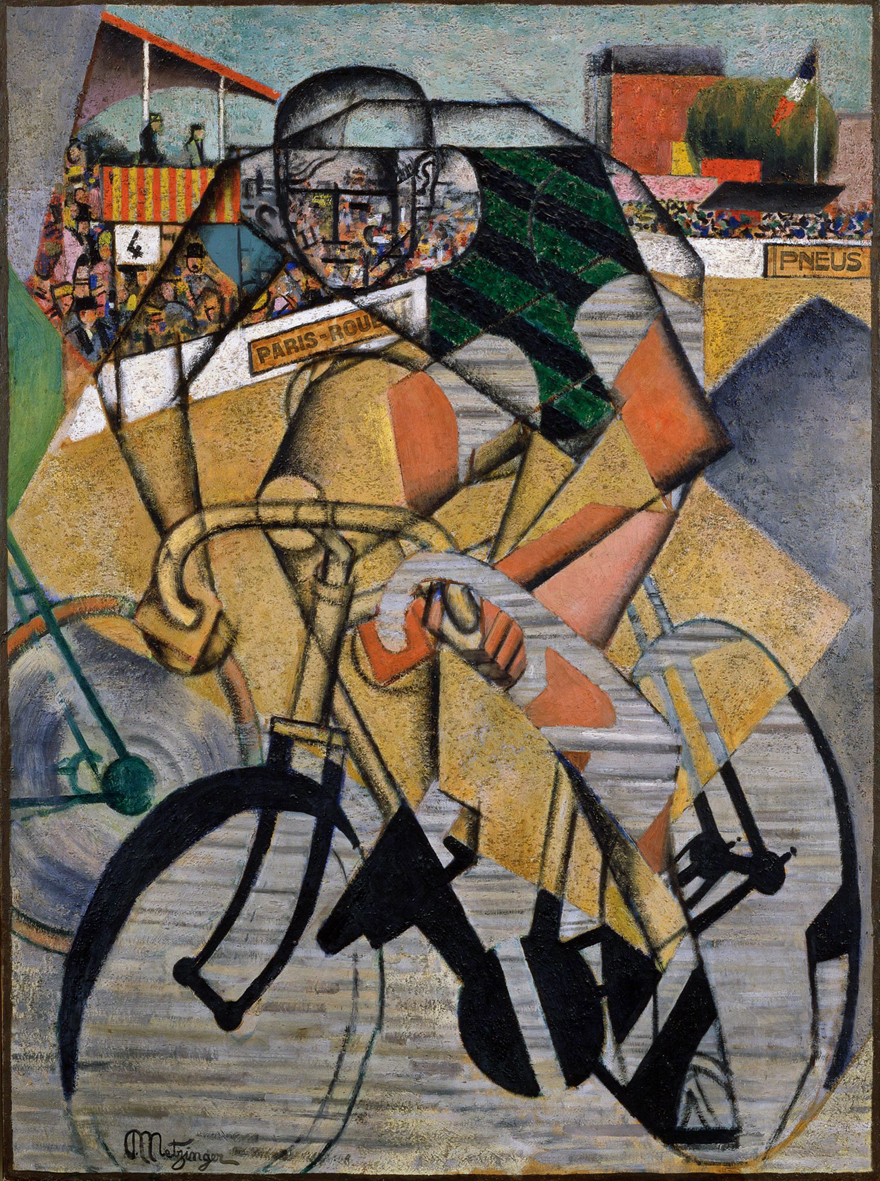
The deliberate use of pasted materials entered avant-garde fine art in the early 20th century. Pablo Picasso and Georges Braque introduced pasted paper and newsprint into Cubist compositions, helping to legitimize everyday materials in modern painting. Dada and Surrealist artists expanded the approach: Hannah Höch and Kurt Schwitters made photomontages and bricolage that commented on politics and mass media. In the postwar period, artists such as Robert Rauschenberg and Romare Bearden adapted collage strategies for new aesthetic and social aims; see historical surveys at modern art references.
Uses, examples and importance
Collage has practical roles in fine art, illustration, graphic design, advertising and education. It is valued for its capacity to combine disparate visual languages, create political critique, or produce layered narratives. Digital tools have extended collage techniques into multimedia and motion graphics, while educators often use simple collage exercises to teach composition and visual thinking. For illustrated case studies and exhibitions, consult gallery overviews.
Distinctions and conservation
Key distinctions clarify terminology: collage denotes two-dimensional assembly on a support; assemblage implies freestanding or relief sculpture; photomontage centers on photographic sources. Conservation of collage can be challenging because adhesives and pasted materials age differently; conservators address issues such as discoloration, warping and detachment. Further practical advice and technique notes are available in many online and printed handbooks—see practical how-to for basic methods.
Related articles
Author
AlegsaOnline.com Collage: Technique, history, materials, and uses Leandro Alegsa
URL: https://en.alegsaonline.com/art/21555