
Açaí palm (Euterpe): fruit, ecology, uses and cultivation
Açaí palms (genus Euterpe) are tropical palms native to the Amazon. Their dark purple berries are used for juice, bowls and oil; the stems yield heart of palm. The species is economically and culturally important.
Overview
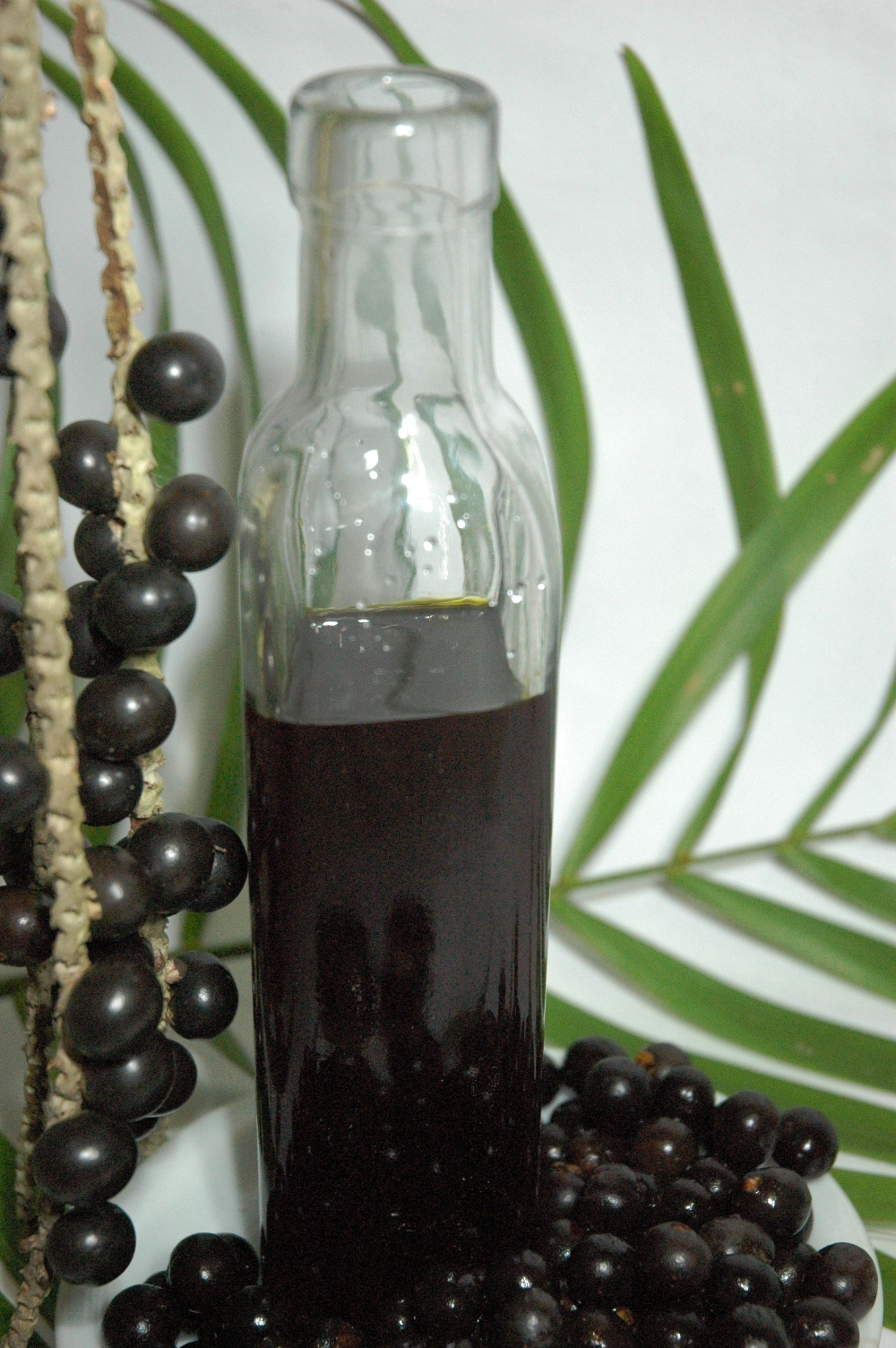
The açaí palm is a group of slender, tropical palms in the genus Euterpe, best known for the small, dark purple fruit commonly called açaí. The plant is often referred to in English as the açaí palm or assai palm and is valued both for its edible berry and for the inner stem harvested as heart of palm. The most widely cultivated species is Euterpe oleracea, though several related species occur across the region. For general botanical context see palm and tree-focused references.
Image gallery
10 Images





Characteristics
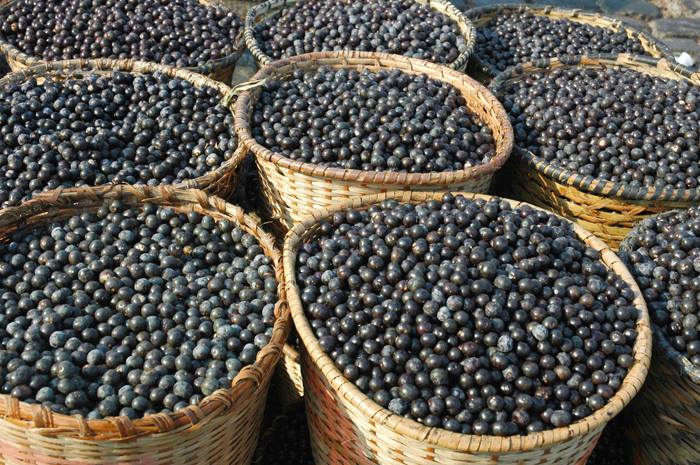
- Fruit: round, grape-sized, dark purple to black with a single large seed surrounded by a thin layer of pulp.
- Clusters: fruits form in long stalks and can be produced in hundreds per bunch.
- Form: tall, slender stems with pinnate leaves; some species are multi-stemmed.
- Habitat traits: adapted to wet, lowland and floodplain forests.
For distribution maps and habitat notes see regional pages such as Central and South America resources.
Distribution and history
Açaí palms are native to the Amazon basin and nearby tropical lowlands. They are particularly abundant throughout northern Brazil, where harvesting and local consumption have long histories. In recent decades the fruit gained wider recognition and expanded into national and international markets, leading to increased cultivation and commercial harvesting.
Uses and cultural importance
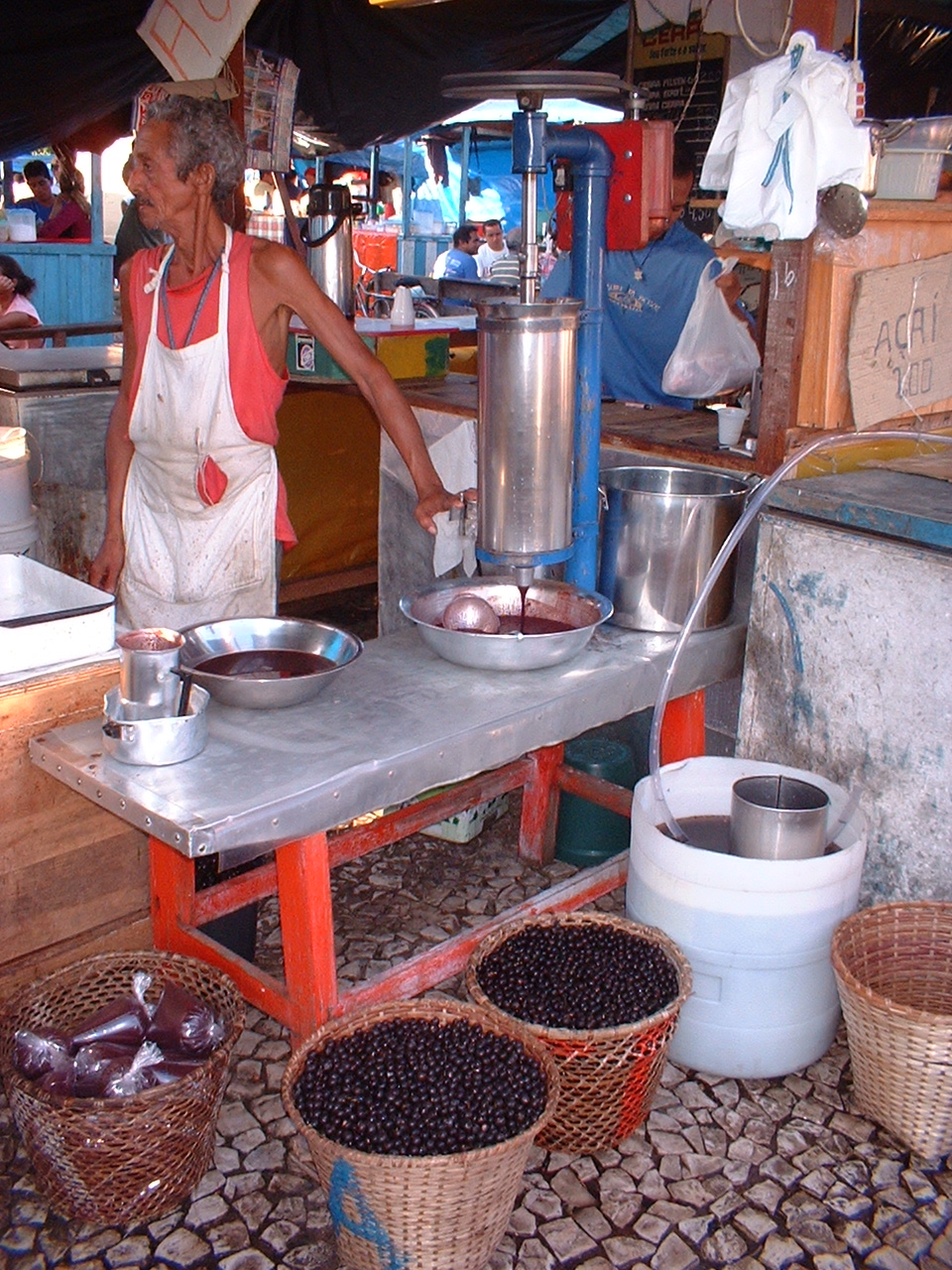
The two principal uses are the berry pulp and the heart of palm. The ripe berries are processed into a dark, thick pulp or juice used fresh, frozen or dried and incorporated into beverages, bowls, smoothies and desserts. They are a dietary staple in many Amazonian communities and are prized for their energy density and antioxidant-rich pigment. The inner stem, marketed as palmito or heart of palm, is a traditional vegetable derived from cutting the trunk or stems.
Harvesting, sustainability and notable facts
Harvesting methods affect whether the plant survives: cutting the main stem for heart of palm typically kills that stem, while multi-stemmed varieties can sometimes be managed sustainably by rotating which stems are removed. The fruit-to-seed proportion is small because the seed is relatively large compared with the pulp, and a single bunch can yield many hundreds of berries. For more on processing, trade and environmental considerations see further reading: industry overview, nutritional profiles, and regional studies such as Amazonian uses and sustainability.
Related articles
Author
AlegsaOnline.com Açaí palm (Euterpe): fruit, ecology, uses and cultivation Leandro Alegsa
URL: https://en.alegsaonline.com/art/610
Sources
- apps.kew.org : Kew World Checklist of Selected Plant Families
- fao.org : "Euterpe oleracea"