
Acinos — a small genus of aromatic Mediterranean plants
Acinos is a small genus of aromatic, tufted annuals and short-lived perennials native to southern Europe and western Asia, valued for their flowers, fragrance and role in rock and herb gardens.
Overview
Acinos is a modest genus of flowering plants in the mint family traditionally recognized as comprising around ten species. These plants are native to the Mediterranean region, especially southern Europe and parts of western Asia, and are known for their compact, aromatic habit and seasonally showy flowers. The genus name derives from Greek words for a small fragrant plant and reflects their scented foliage.
Image gallery
10 Images
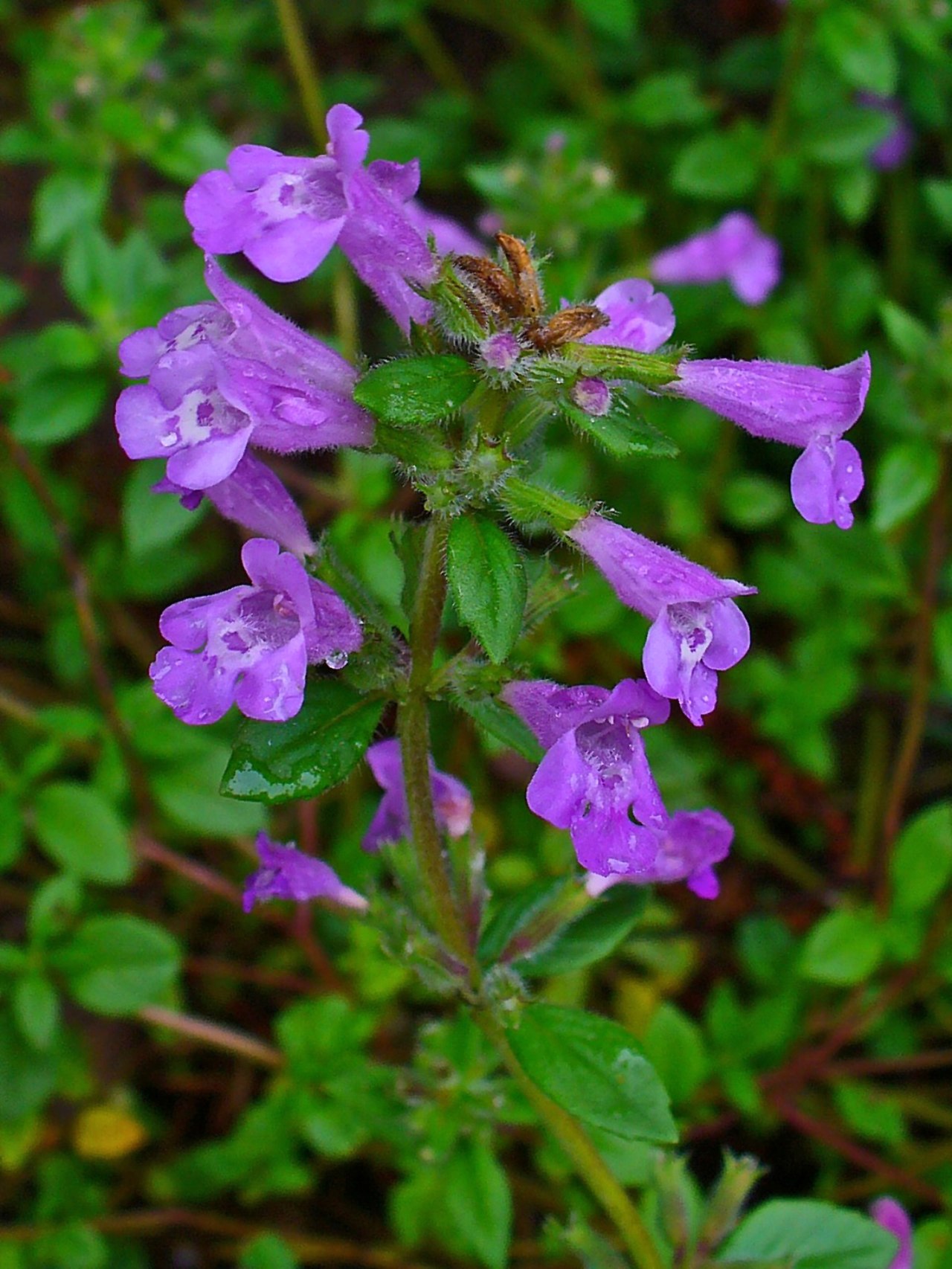


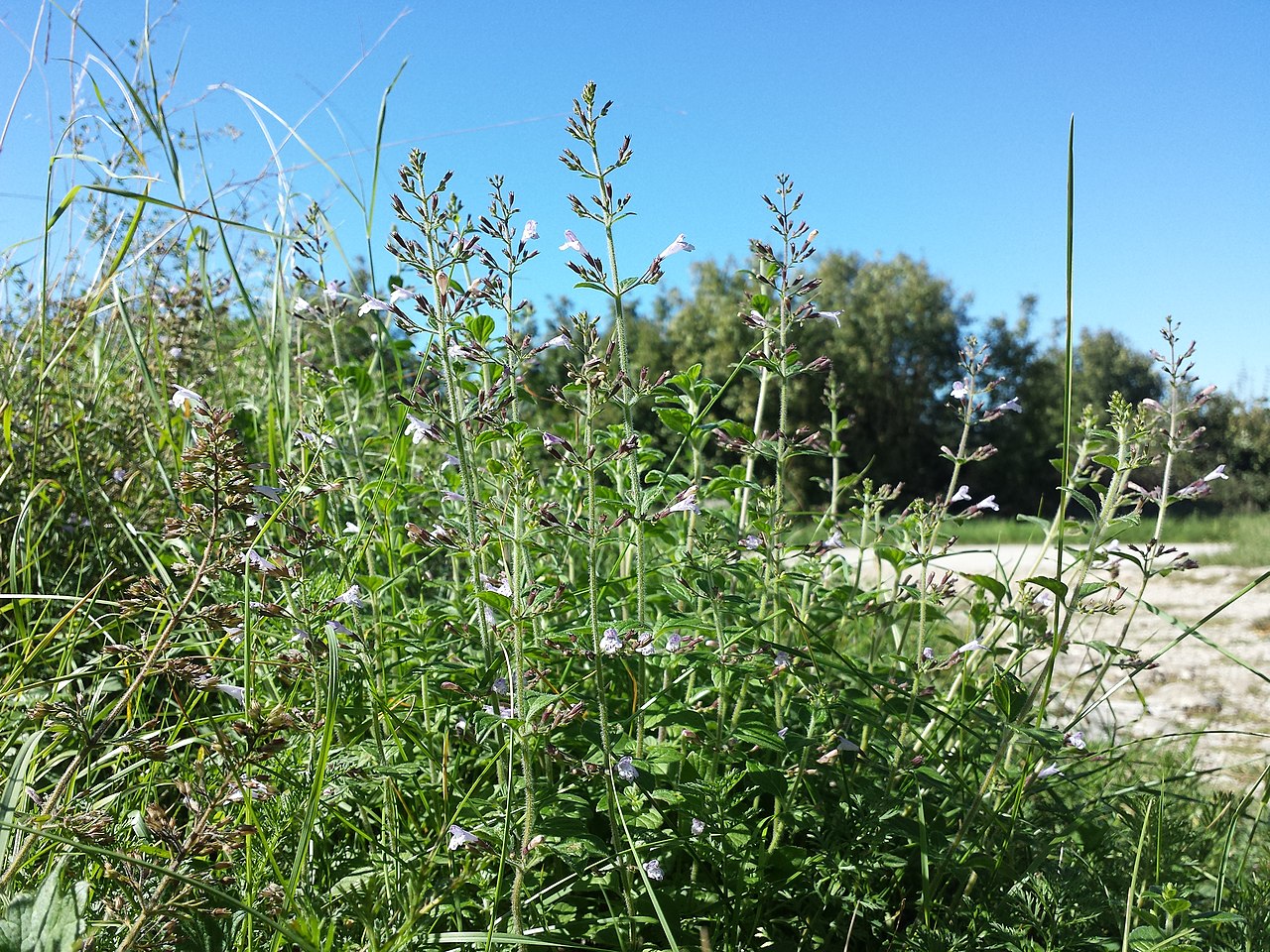
Description and characteristics
Plants in this group are typically small and tufted, forming low clumps 10–45 cm tall. Growth forms range from annuals to short-lived evergreen perennials or subshrubs. Leaves are often aromatic when crushed, a common trait in the Lamiaceae. Flowers are two-lipped and tubular, borne on erect spikes or racemes and appearing in summer; individual plants may produce many small blooms that attract bees and other pollinators.
Taxonomy and history
Acinos has been treated in various ways by botanists. Historically recognized as a separate genus, some recent classifications have reassigned certain species to closely related genera within the mint family. For an overview of taxonomic treatments see botanical resources. The derivation of the name and early descriptions are rooted in classical botanical literature and regional floras.
Distribution and habitat
Species occur mainly across Mediterranean climates of southern Europe and western Asia, where they inhabit rocky slopes, dry grasslands and open woodlands. Their adaptations favor well‑drained soils and sunny exposures. Distribution maps and regional accounts are available via specialized floristic sources such as regional floras and conservation portals like plant databases.
Uses, cultivation and ecological role
Acinos species are occasionally used in rock gardens, borders and herb collections for their fragrance and compact form. They suit well‑drained, sunny sites and can be propagated from seed or cuttings. Gardeners often value them for attracting pollinators. Practical cultivation notes and horticultural advice can be found at horticultural guides and plant nursery resources: gardening references.
Notable distinctions and conservation
Although not broadly cultivated commercially, Acinos is notable for its aromatic foliage and compact habit that distinguish it from many other Mediterranean Lamiaceae. Because taxonomy has shifted for some members, consult up‑to‑date taxonomic databases when identifying species. Conservation attention is primarily local; some populations may be vulnerable where habitats are fragmented. See conservation summaries at conservation portals for regional detail.
- Habit: tufted annuals or short‑lived perennials
- Height: typically 10–45 cm
- Flowers: two‑lipped, tubular, summer flowering
- Uses: ornamental, pollinator‑friendly, aromatic
Tags
Related articles
Author
AlegsaOnline.com Acinos — a small genus of aromatic Mediterranean plants Leandro Alegsa
URL: https://en.alegsaonline.com/art/726