
Acanthomintha — thornmints of the California flora
Acanthomintha is a small genus of mint-family annuals known as thornmints, endemic to the California Floristic Province; several species are rare or threatened and occupy specialized habitats.
Overview
Acanthomintha is a small genus in the mint family, commonly called thornmint. Members are annual herbs native to the California Floristic Province. The scientific name derives from Greek roots that allude to the plant's spiny or thorny calyces and mint-like appearance. The genus is notable for its compact, showy flower clusters set within prickly bracts.
Image gallery
2 Images
Characteristics
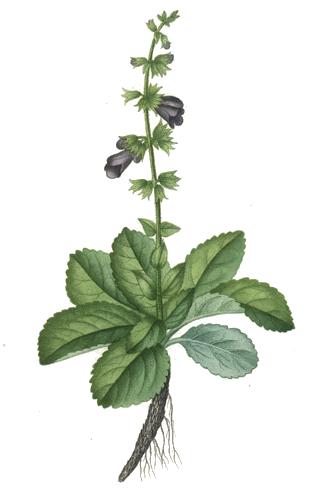
Thornmints are generally annual plants with the square stems and opposite leaves typical of the Lamiaceae. Individual plants tend to be low-growing, producing dense inflorescences of tubular, bilabiate flowers. The corolla is usually white to pale pink or lavender and is surrounded by a calyx and bracts that are often sharp or spiny—hence the common name. Like many mints, they exhibit floral traits adapted to insect pollination.
Habitat and distribution
All species of Acanthomintha are restricted to western North America, with the entire genus concentrated in California and adjoining areas within the California Floristic Province. Thornmints typically occupy dry, open habitats such as grasslands, chaparral edges, and locally on serpentine or clay-derived soils where competition from other plants is reduced. Their occurrence on specialized soil types contributes to their narrow distributions.
Species and taxonomy
The genus comprises four recognized species of thornmint. Taxonomically, Acanthomintha belongs to the family Lamiaceae and is treated as a distinct genus because of its combination of spiny calyces and floral structure. For general reference on the genus concept see a genus entry at Acanthomintha genus page. One well known species with conservation concern is Acanthomintha duttonii, which is cited as endangered in the literature.
Conservation and importance
Several thornmint species have small, restricted populations and face threats from habitat loss, urban development, invasive plants, grazing, and altered fire regimes. Because some species grow only on specialized soils, they are particularly vulnerable to disturbance. Conservation measures include habitat protection, seed banking, surveys for unknown populations, and experimental restoration on appropriate soils. Thornmints also contribute to native plant diversity and serve as components of pollinator networks in their ecosystems.
Identification tips and uses
- Look for small, annual plants with square stems and opposite leaves.
- Note the tubular, two-lipped flowers tucked into spiny bracts—this is a key field mark.
- Because several species are rare, cultivation is generally limited to specialist native-plant programs and conservation nurseries rather than broad horticultural use.
For further reading on taxonomy, distribution, and conservation status consult regional floras and conservation databases; professional treatments provide the most current information on specific species and recovery efforts.
Related articles
Author
AlegsaOnline.com Acanthomintha — thornmints of the California flora Leandro Alegsa
URL: https://en.alegsaonline.com/art/616