
Magnetic stripe card
A magnetic stripe card is a plastic payment or access card with a magnetically encoded stripe that stores data for identification, transactions and access; widely used but largely replaced by chip and contactless cards.
Overview
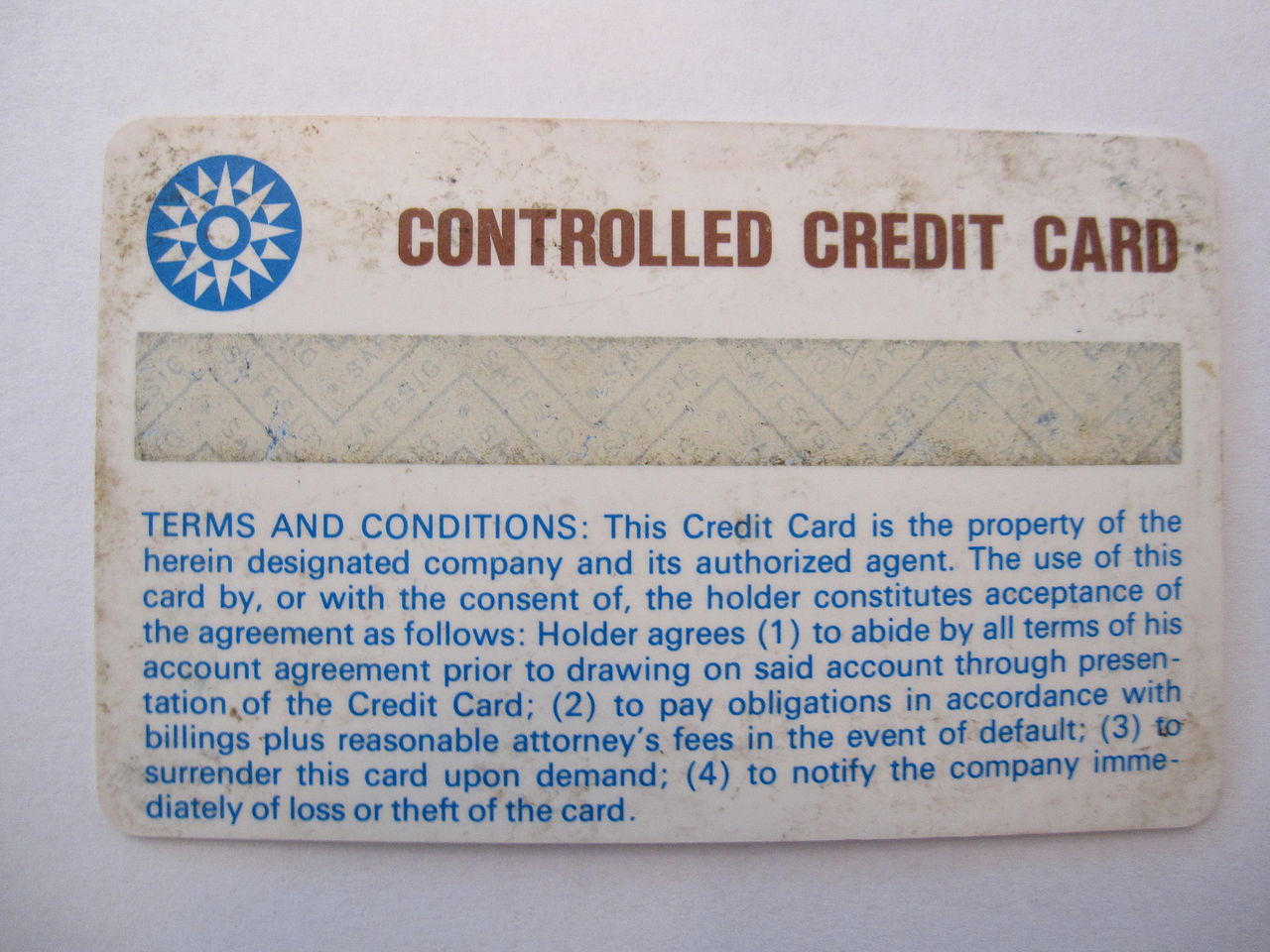
A magnetic stripe card is a plastic card with a narrow band of magnetic material bonded to one side. The stripe contains magnetically encoded data that can be read by a compatible reader when the card is swiped or passed close to a read head. These cards are commonly used for financial transactions, transit, access control and ticketing because they allow simple, low-cost storage and retrieval of identification and account information. For general information about the card body, see card materials.
Image gallery
7 Images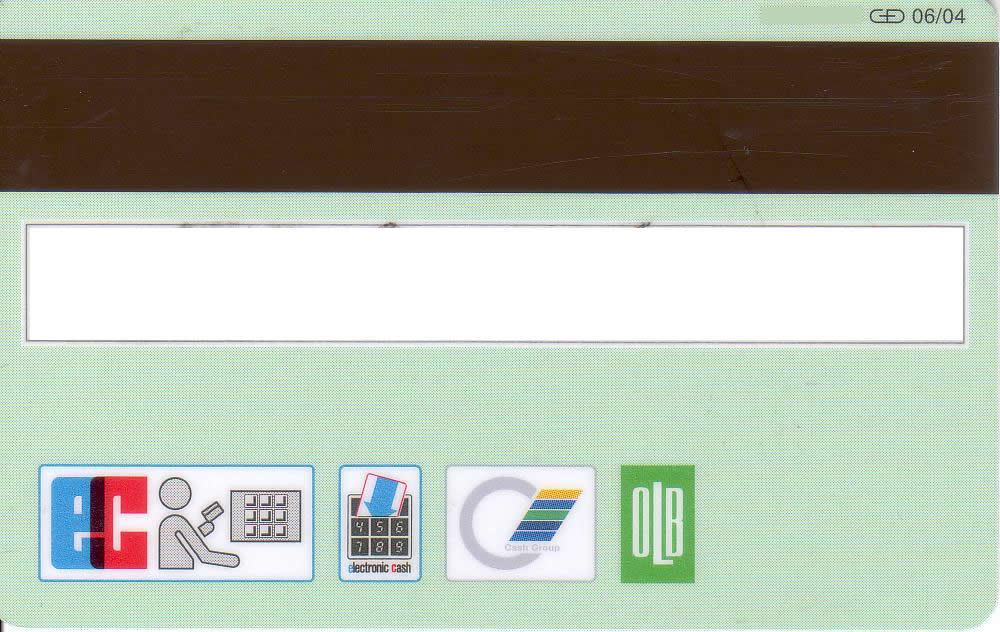




Structure and how it stores data
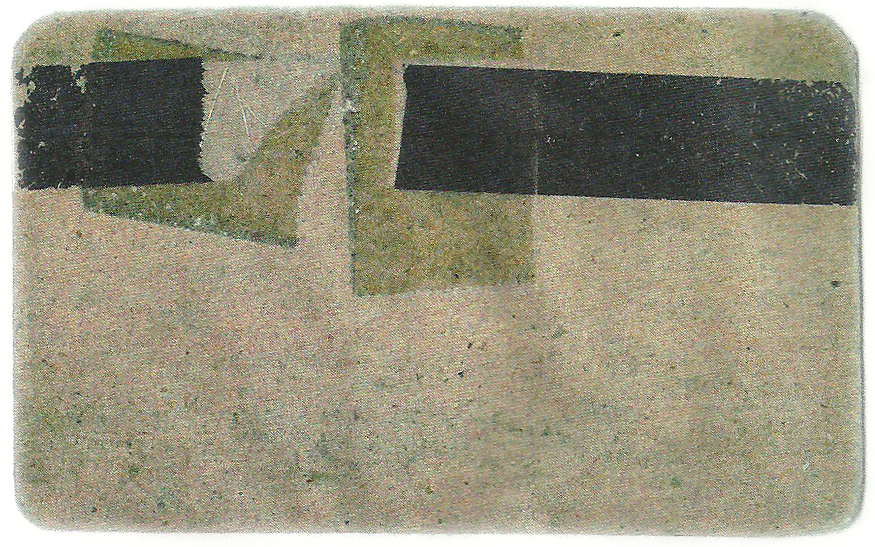
The magnetic stripe is made of tiny magnetizable particles embedded in a plastic-like coating. Data is recorded by changing the magnetization of those particles along the stripe; this pattern is then detected by a read head as the card moves past it. Most magnetic stripe cards use defined tracks and encoding formats governed by international standards; the organization of those tracks is described in data format references. The particles are usually iron-oxide or similar compounds, a topic covered in technical notes on magnetic materials and metallurgy.
Common applications
- Banking: debit and credit cards for purchases and ATM access; banks publish support materials such as security advisories.
- Public transport and ticketing: single-ride and season tickets read at turnstiles or gates, often alongside contactless systems; see transit ticketing.
- Access control: hotel room keys and building access cards that store a room number or access code; related guidance is found at access systems and hotel key management.
- Workplace timekeeping, parking permits and loyalty cards; examples and vendor pages appear under employee tracking and parking systems.
History and standards
Magnetic stripe cards were developed in the late 1960s and standardized over subsequent years so that readers and cards from different manufacturers could interoperate. International standards describe physical dimensions, position of the stripe and encoding conventions; organizations publish technical specifications and implementation notes, such as those collected at standards bodies and industry groups.
Limitations and advances
While inexpensive and simple, magnetic stripe cards have security weaknesses: the data on the stripe can be read and copied by inexpensive devices, a practice called skimming. As a result, many systems now combine or replace magnetic stripes with embedded integrated circuits (smart cards) or contactless RFID/NFC chips, discussed at smart card resources and contactless technologies. Migration guides and vendor advisories for replacing magnetic stripe cards are available via upgrade documentation and payment industry channels.
Distinctions and notable facts
Magnetic stripe cards differ from smart cards in that they store information passively on the stripe rather than processing it on an embedded chip; for an overview of chips and combined cards see smart card comparison. Despite being supplanted in many high-security contexts, magnetic stripe cards remain in widespread use because of legacy systems, low cost and broad reader availability.
Related articles
Author
AlegsaOnline.com Magnetic stripe card Leandro Alegsa
URL: https://en.alegsaonline.com/art/60634
Sources
- avonsecurityproducts.com : "Avon Security Products"