
Magneto‑optical drive
A magneto‑optical drive is a removable disk storage device that reads and writes using a laser and magnetic fields. Widely used from the late 1980s through the 1990s for archival and removable media.
Overview
A magneto‑optical (MO) drive is a type of removable storage device that reads and writes data on magneto‑optical disks. It combines optical techniques (a focused laser) with magnetic recording to change and detect the orientation of tiny magnetic domains on the disk surface. MO drives were commonly sold as standalone drives and as removable cartridges for desktop computers and professional systems; they were valued for durability and reusability compared with early writable optical discs. For general introductions to disk drives and removable media, see technical overview.
Image gallery
6 Images



How it works
Writing on an MO disk requires heating a microscopic area of the magnetic coating with a laser to near its Curie temperature, where its magnetic coercivity falls. While the spot is hot, an externally applied magnetic field sets the magnetization direction — that is, the written bit. Reading typically uses the magneto‑optical Kerr effect: a low‑power laser beam reflects from the disk and the change in the polarization of the reflected light reveals the magnetic orientation without erasing it. This two‑step write and non‑destructive read method distinguishes MO recording from purely optical or purely magnetic systems; a clearer explanation of the underlying physics is available at magneto‑optical principle.
Formats and physical media
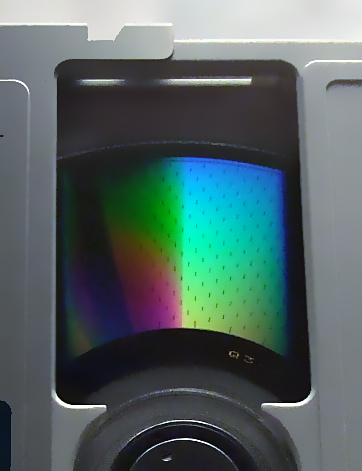
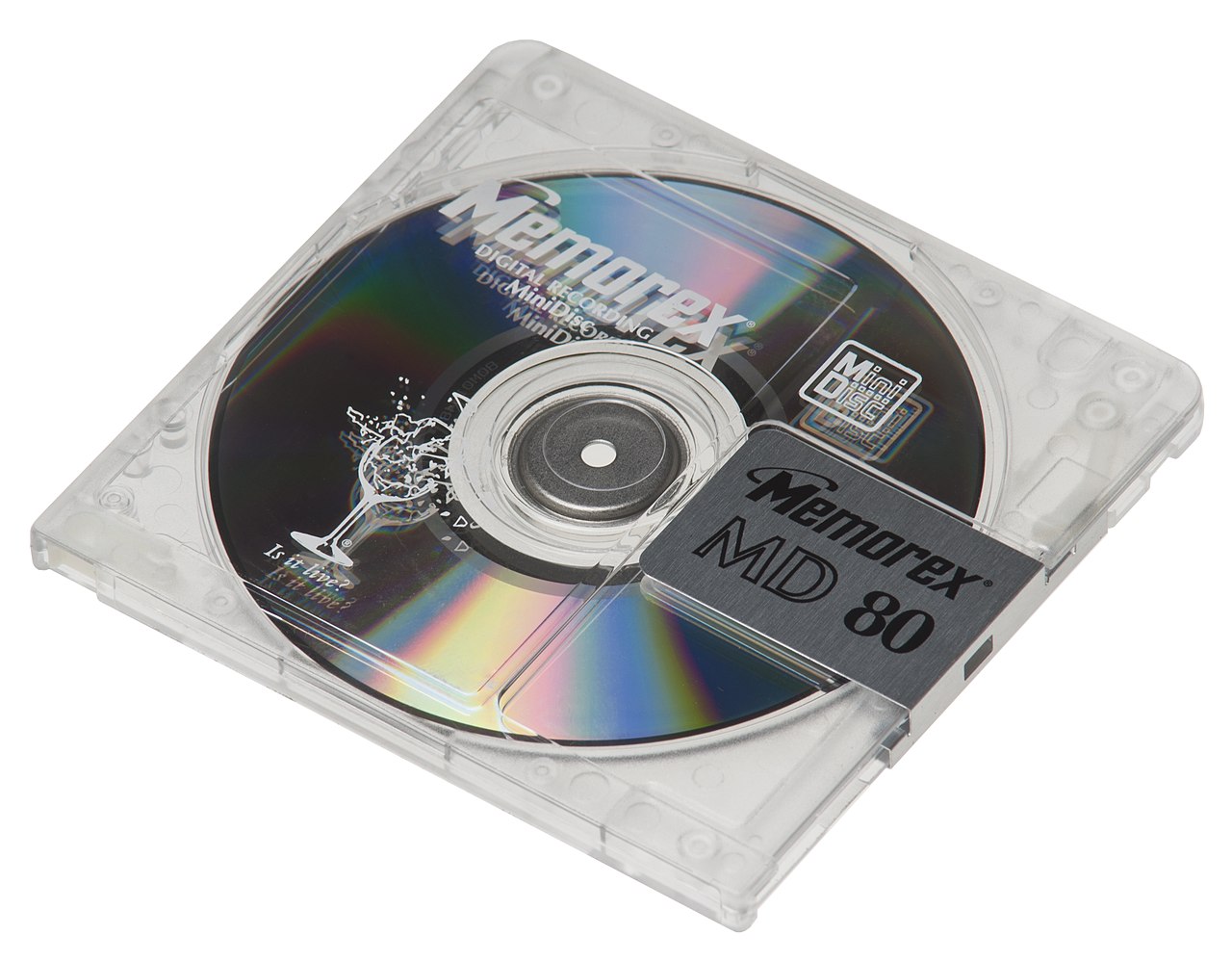
MO media came in several physical sizes. The most familiar were 3.5‑inch and 5.25‑inch removable cartridges that resemble floppy or optical cartridges, and a smaller consumer format known as the MiniDisc. Disks are usually enclosed in a protective housing or shutter, which shields the delicate coated surface from dust and handling. Over time capacities increased from modest megabyte ranges to products that offered hundreds of megabytes or more; manufacturers and format comparisons are discussed in format comparison.
History and typical uses
Magneto‑optical technology emerged commercially at the end of the 1980s and became more widespread in the 1990s for applications that needed removable, rewritable, and relatively durable media. It was adopted for data archiving, backup, and tasks requiring frequent swapping of media. A consumer application was Sony's MiniDisc, introduced for audio recording and playback; for more on that product see MiniDisc. Over time MO drives were largely superseded by inexpensive writable optical discs (CD‑R, DVD), hard drives, and flash storage, though they remained in niche archival roles where medium longevity and robustness mattered. For timeline details see origins and timeline.
Characteristics and notable facts
- Rewritability: many MO disks are fully rewritable; some variants provided write‑once options for archival integrity.
- Durability: the protective cartridge and stable magnetic coating offer good resistance to environmental factors relative to early optical media.
- Performance: access times and transfer rates tended to be slower than hard disks but competitive with contemporary removable media.
- Legacy status: while no longer mainstream, MO technology influenced later optical‑magnetic hybrid approaches and remains of historical interest for data preservation.
Because MO drives blend optical and magnetic recording steps they occupy a distinct place between conventional magnetics (hard disks, floppies) and optical media (CD/DVD). Their design choices—cartridge protection, the heating‑plus‑magnetization write cycle, and non‑destructive optical readout—help explain both their advantages and the reasons they were eventually eclipsed by cheaper, higher‑capacity alternatives.
Related articles
Author
AlegsaOnline.com Magneto‑optical drive Leandro Alegsa
URL: https://en.alegsaonline.com/art/60638