
Information — concept, measurement, and uses
Overview of information: definitions, measurement (bits), history, common uses, and distinctions such as data vs knowledge and semantic vs syntactic aspects.
Overview
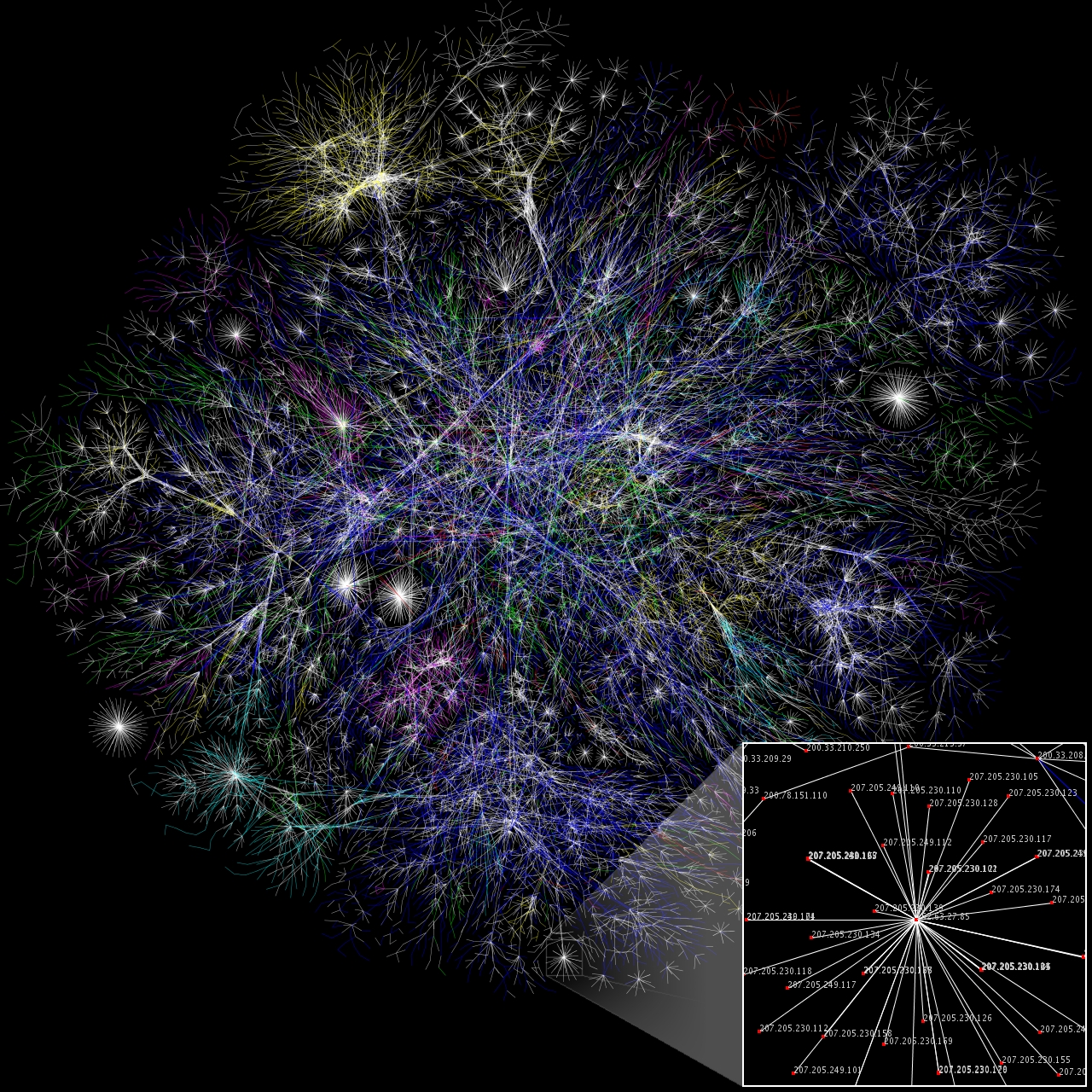
Information is a broad term for facts, signals, descriptions, or patterns that reduce uncertainty for an observer or system. In ordinary use it denotes things people can learn, know, or use to make decisions. The word has roots in an older meaning of "to give form"; for a discussion of etymology see etymological sources. Everyday examples include news reports, maps, measurements, and conversation. A newspaper is a familiar carrier of information: it reports events and data about the world, as with many modern news outlets example press and global reporting networks international context.
Image gallery
6 Images


Characteristics and measurement
Information can be described by its form (text, numbers, audio, image), its content (meaning), and its context (how it is used). In engineering and mathematics, information is often quantified in units such as bits, which measure the amount of uncertainty removed by a message. Related concepts include signal, data (raw symbols or measurements), message (structured data intended to convey meaning), and knowledge (information combined with understanding).
History and development
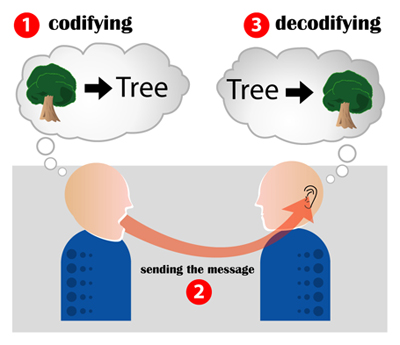
The modern scientific study of information began in the 20th century with the emergence of communication theory and information theory, which analyze how messages are encoded, transmitted, and decoded in the presence of noise. Parallel developments occurred in computer science, linguistics, and library science, each addressing different practical and conceptual aspects of storing, retrieving, and interpreting information.
Applications and examples
Information underpins nearly every human activity: science relies on data and published findings, commerce uses information for decision-making and logistics, and technology depends on encoding and processing information in hardware and software. Biological systems also process information—DNA stores instructions for building organisms, and nervous systems transmit signals that guide behavior.
Distinctions and notable facts
- Syntactic vs semantic: the format and correctness of symbols versus their meaning.
- Data vs information vs knowledge: raw measurements, interpreted facts, and integrated understanding.
- Noise and redundancy: real channels include errors; redundancy can protect information.
Understanding information requires attention to how it is produced, measured, conveyed, and used. Debates continue about privacy, misinformation, and the ethical governance of information in society, reflecting its central role in modern life.
Questions and answers
Q: Where does the word "information" come from?
A: The word "information" originally comes from a word that meant to give a form to something.
Q: What does information mean?
A: Information is something that people can learn, know about, or understand.
Q: Can a newspaper contain information?
A: Yes, a newspaper can contain information about the world.
Q: What is this article discussing?
A: This article is discussing the concept of "information."
Q: Can people learn from information?
A: Yes, people can learn from information.
Q: What is the purpose of information?
A: The purpose of information is to provide people with knowledge about something.
Q: How is information used in everyday life?
A: Information is used in everyday life to make decisions, solve problems, and communicate with others.
Related articles
Author
AlegsaOnline.com Information — concept, measurement, and uses Leandro Alegsa
URL: https://en.alegsaonline.com/art/47312