
Mainframe computer
High-capacity, highly reliable computers designed for large-scale transaction processing, data management and mission-critical enterprise workloads, often used by governments, banks and large organizations.
Mainframe computers, sometimes called "big iron," are powerful systems built to run large volumes of work reliably and continuously. They are tailored for high-throughput transaction processing, massive input/output, and centralized data management. Organizations that require near-constant availability and robust data integrity select mainframes for workloads that cannot tolerate frequent outages or data loss. A mainframe is a system-level concept rather than a single fixed design; its defining traits are scale, dependability, and serviceability. See large-scale processing for related context.
Image gallery
6 Images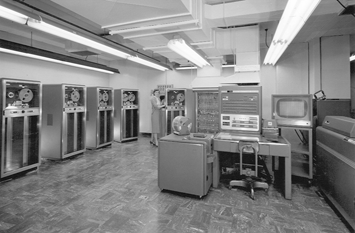



Key characteristics
Mainframes emphasize reliability, availability and serviceability (often abbreviated RAS). They use redundant components, hot-swappable parts and extensive monitoring to minimize downtime. Architecturally they often include multiple central processors, specialized I/O channels, and very large memory configurations to support many simultaneous users and transactions. Virtualization and logical partitioning are standard features, allowing one physical machine to host many isolated operating environments.
Hardware design focuses on predictable throughput rather than peak scientific floating-point performance. Mainframes provide strong transactional consistency and built-in data-protection features such as hardware cryptography and secure key management. Historically the name arose from the large cabinets that contained the central processing unit and memory; the words central processing unit and main memory connect to this origin story.
Typical uses and examples
Mainframes are most commonly used by governments and large enterprises for tasks that require processing millions of transactions or maintaining central databases. Common applications include census and population records, banking and financial clearing, airline reservation systems, payroll and enterprise resource planning. They also serve as backend servers for web services and APIs where reliability and data integrity are paramount. Typical sectors include public administration (government), finance and insurance (large corporations), and statistical agencies handling activities such as the census.
- Transaction processing: online banking, point-of-sale clearing
- Batch processing: end-of-day jobs, large-scale ETL
- Centralized hosting: core databases, enterprise applications and server roles supporting web interactions (World Wide Web)
History and distinctions
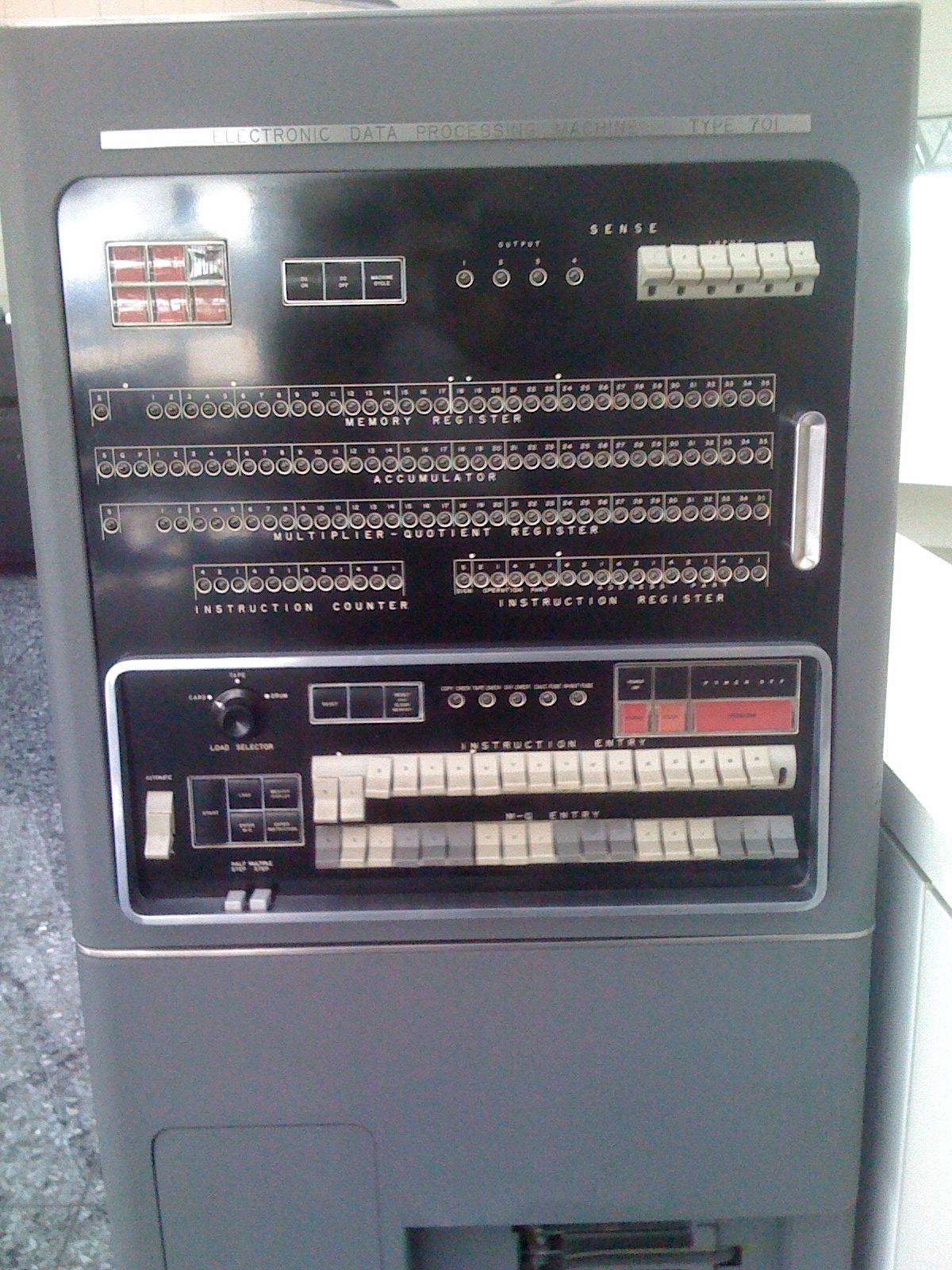
The term "mainframe" originated in the early generations of computing to describe the physical cabinet that housed the system's principal electronics. In the 1960s and 1970s, families of large mainframes standardized enterprise computing models and introduced technologies such as time-sharing and virtualization. Over time, smaller minicomputers and later personal computers changed the computing landscape, but mainframes remained dominant for mission-critical enterprise workloads. They are distinct from supercomputers, which are optimized for raw numerical and parallel scientific computation, and from distributed racks of commodity servers or personal computers, which prioritize flexibility and cost over the extreme reliability and centralized control that define mainframes.
Modern developments and relevance
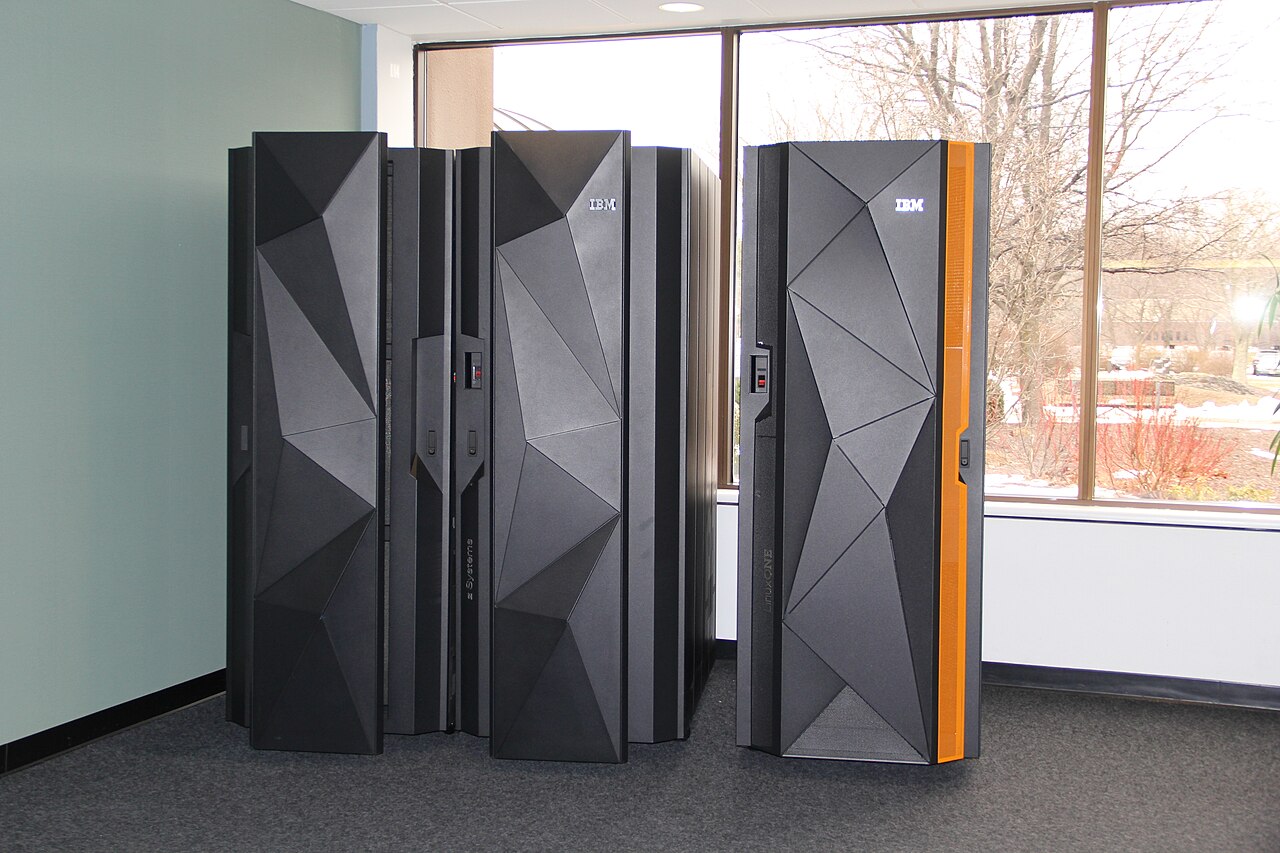
Contemporary mainframes support modern operating systems, cloud integration, container technologies and Linux, and they offer compatibility layers for legacy applications that enterprises retain for business continuity. Rather than disappearing, mainframes have evolved: vendors add contemporary security, virtualization and connectivity features so the systems can interoperate with cloud and distributed environments. As a result, sectors that demand uninterrupted operation and secure, auditable transaction records continue to rely on mainframe platforms.
For further technical background and procurement guidance, see resources on system design and enterprise computing practices via large-scale processing discussions and vendor material at major providers. Additional reading on historical systems and architectures is available through technical archives and industry retrospectives found at archival references and contemporary documentation at memory architecture summaries. For general overviews of computing categories compare mainframes to supercomputers and standard personal computing platforms.
Note: The phrase "big iron" remains a colloquial synonym, reflecting the mainframe's physical scale and institutional role in enterprise IT culture.
Related materials and technical guides may be consulted through vendor portals and standards bodies; see vendor and standards links such as government procurement sites, industry whitepapers at server resources, and community-led modernization case studies at web archives.
Related articles
Author
AlegsaOnline.com Mainframe computer Leandro Alegsa
URL: https://en.alegsaonline.com/art/60802
Sources
- theregister.co.uk : "IBM preps big iron fiesta"
- publibz.boulder.ibm.com : "Introduction to the New Mainframe: z/OS Basics"