
Magnetic tape: medium, mechanism, formats and uses
Magnetic tape is a plastic film coated with magnetic material used to record audio, video and data. This article explains its construction, operation, history, common formats, uses and advantages and limits.
Overview
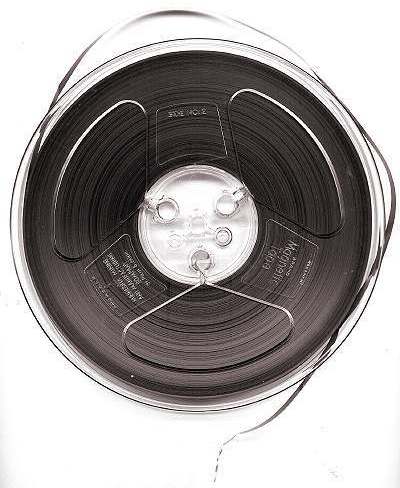
Magnetic tape is a long, narrow strip of flexible plastic that carries a thin layer of magnetizable particles. The basic principle is simple: variations in magnetization along the tape store information that can be converted to and from electrical signals. Historically and today, magnetic tape has been used for recording sound and images, and for storing computer data because of its high information density and relatively low cost per unit of storage. Early descriptions of the material focus on the polymer film base and the thin magnetic coating that together form the recording surface; modern manufacturing also involves binders and protective backing layers (coating technology).
Image gallery
5 Images



Construction and basic operation
Physically, a tape consists of several layers engineered for stability and magnetic performance. Typical components include:
- Base film: the flexible plastic substrate that provides dimensional stability.
- Magnetic layer: tiny ferromagnetic particles embedded in a binder to hold them in place.
- Back coating and lubricant: applied to reduce friction, prevent static charge and help winding.
- Leaders and splices: non-magnetic sections or attachments used to thread tape through machines.
Recording happens as the tape moves past an electromagnetic recording head: an electrical signal energizes a coil that creates a magnetic field, aligning magnetic domains on the tape to mirror the signal. On playback, small changes in the magnetic field induce a corresponding electrical voltage in the playback head. Erase heads and biasing techniques are used to clear or improve the fidelity of recordings.
History and development
Magnetic tape was developed in the early 20th century and became widely adopted in the mid-20th century for professional audio and broadcast due to improvements in particle chemistry and tape manufacturing. Over decades the medium evolved from large reels to compact, user-friendly cartridges and cassettes; later, videotape formats and digital tape technologies extended the concept to moving images and computer storage. Advances in magnetic particles, binder chemistry and head design continually increased capacity and reliability.
Common formats and uses
Magnetic tape appears in many consumer and professional forms. Examples include:
- Audio formats: reel-to-reel and the compact audio cassette.
- Video formats: broadcast reels and consumer systems such as VHS-style videotape.
- Data storage: cartridges and cartridges used in servers, libraries and backups (computer data tape), including removable drives and larger automated systems.
- Recording devices: consumer and professional tape recorders, videotape machines, and dedicated backup units like a tape drive.
Tape remains important for high-capacity, long-term archival storage in enterprise environments and for enthusiasts who value analog tape's sonic character. Broadcast, surveillance and scientific instrumentation have also relied on tape for continuous or high-volume recording.
Advantages, limitations and notable facts
Advantages of magnetic tape include relatively low cost per gigabyte for large archives, good longevity under controlled conditions, and the ability to store data offline for long periods. Limitations include sequential (rather than random) access—making retrieval slower than disk or flash storage—sensitivity to heat, humidity and mechanical wear, and the need for compatible playback equipment. Despite predictions of obsolescence, tape continues to be developed and used because of its combination of capacity, energy efficiency for cold storage, and predictable archival performance when managed properly.
For more technical details or historical resources, consult specialist references and manufacturers' documentation via links embedded above.
Related articles
Author
AlegsaOnline.com Magnetic tape: medium, mechanism, formats and uses Leandro Alegsa
URL: https://en.alegsaonline.com/art/60635