
Mandriva Linux: history, features, and legacy
Mandriva Linux (originally Mandrake) was a desktop-focused Linux distribution known for ease of use, KDE integration and graphical administration tools. Development waned after 2011 and the company entered administration in 2015.
Overview
Mandriva Linux, originally released as Mandrake Linux, was a Linux distribution aimed at desktop users. The project emphasized simplicity, graphical configuration tools and out-of-the-box hardware support. For the plant of the same name see Mandrake. For information about Linux distributions in general see Linux distribution.
Image gallery
5 Images

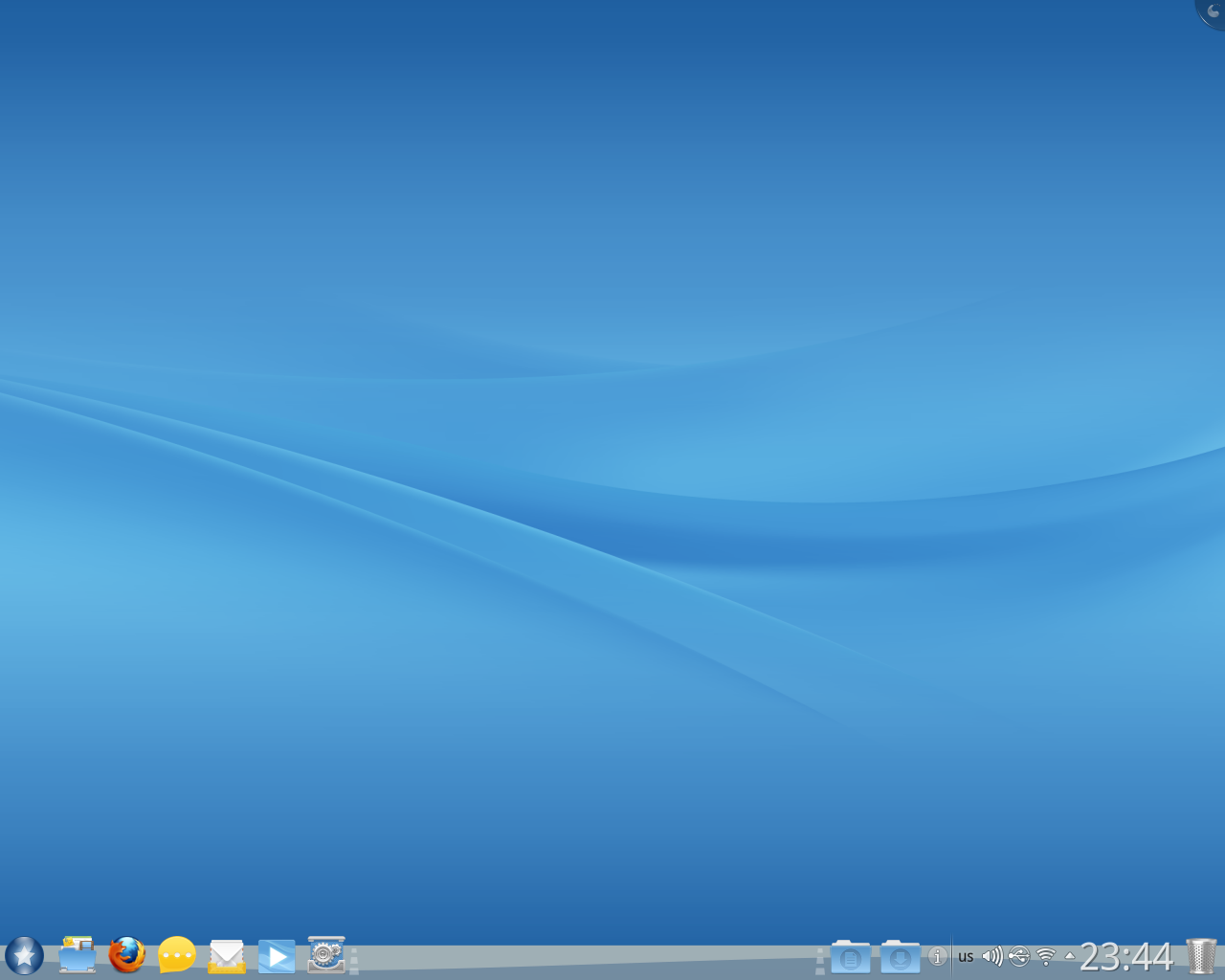


Characteristics and components
Mandriva combined an RPM package base with a custom dependency resolver and installer. Notable features included:
- Package management: RPM packages managed by the urpmi frontend, designed to simplify installation and updates.
- Desktop focus: KDE was the default environment for many releases, with GNOME and other desktops also available.
- Graphical system tools: A suite often referred to as "drakxtools" or "drakconf" provided point-and-click configuration for networking, users, printers and system services.
- Editions: The project issued multiple editions over time (Free, One, Powerpack and others) to meet different needs from free community builds to commercial bundles with extra software and support.
History and development
Founded in the late 1990s by Gaël Duval, Mandrake sought to make Linux approachable for new users by packaging a polished desktop and easy installers. In 2005 the company identity evolved to Mandriva after corporate mergers and changes. The project maintained both a company-led commercial track and community-driven releases for many years. The last official Mandriva release occurred in August 2011.
Uses, forks and legacy
Mandriva was widely used by home users and small organizations that wanted a ready-to-run Linux desktop. When company layoffs and organizational changes affected the developer community, several forks and successors emerged: Mageia (founded by former Mandriva contributors) and OpenMandriva are two prominent examples that continued development of the distribution’s ideas and tools.
End of commercial activity and notable facts
Commercial operations faltered in the 2010s. In May 2015 the company entered administration and its website went offline; many former developers had already moved on to community forks. Mandriva is remembered for lowering the barrier to entry for desktop Linux during a formative period and for popularizing a set of user-oriented tools that influenced later distributions.
Questions and answers
Q: What is Mandriva?
A: Mandriva is a Linux distribution.
Q: When was the last Mandriva release?
A: The last release was the 2011 version, released in August of that year.
Q: Where did most Mandriva Linux developers go after being laid off?
A: Most Mandriva Linux developers who were laid off went to Mageia.
Q: When did Mandriva go into administration?
A: Mandriva went into administration in May 2015.
Q: Is the Mandriva website currently online?
A: No, as of the 27th of May, 2015, the organization's website was offline.
Q: What is the Mandrake plant?
A: Mandrake is a type of plant.
Q: What is the difference between Mandriva and Mageia?
A: Mandriva was a Linux distribution while Mageia is a fork of Mandriva Linux developed by former contributors and users.
Related articles
Author
AlegsaOnline.com Mandriva Linux: history, features, and legacy Leandro Alegsa
URL: https://en.alegsaonline.com/art/61258
Sources
- lwn.net : "LINUX - MANDRAKE"
- club.mandriva.com : "New release cycle announced"
- wiki.mandriva.com : "Development - Mandriva Community Wiki"